Building thermal insulation · Glass wool
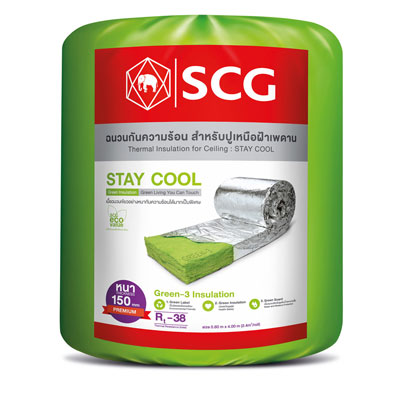
SCG STAY COOL
- Thickness
- 75–150 mm
- Thermal resistance (R)
- 1.79 m²·K/W (75 mm)
Sound coming in or going out (sound insulation)
Echoey rooms (sound absorption)
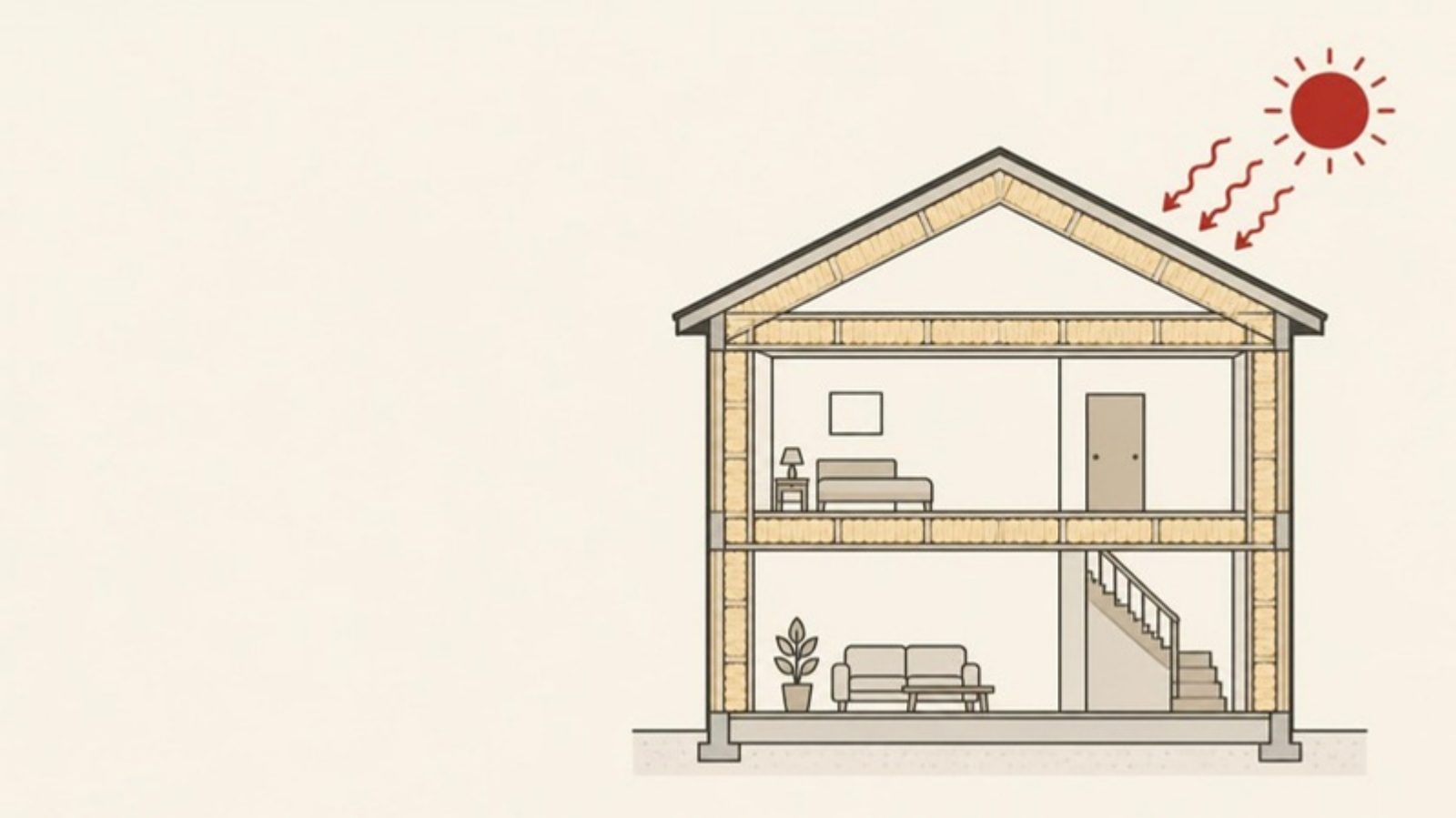
Start from the problem you need to solve, not from a material name. Once you know the problem, you know the function the insulation must perform: keeping heat out, blocking sound, absorbing sound, preventing condensation drips, fire protection or high-temperature service. Then look at location and operating conditions, choose the material, and finally the product whose manufacturer documents say it suits that job.
Glass wool, stone wool, elastomeric rubber and PE foam are all "insulation", but each does different jobs well. The same material can suit one job and not another. Choosing the material first often gives the wrong fix — for example, fixing sound-absorbing panels on a wall to stop noise from next door, which does not reduce the sound passing through the wall (see Soundproofing vs sound absorption).
| Problem | Function needed | Product category | Read next |
|---|---|---|---|
| --- | --- | --- | --- |
| Hot house, hot roof, air-con slow to cool | Thermal insulation | Building thermal insulation | Hot house |
| Hearing noise from next door | Sound insulation (as part of a wall/ceiling system) | Sound insulation | Neighbour noise |
| Echoey room, speech hard to follow | Sound absorption | Sound absorption | Room echo |
| Noise from machines, pumps or compressors | Sound insulation and absorption together | Sound insulation | Machine noise |
| AC pipes or ducts dripping water | Condensation control | Pipe insulation · Duct insulation | Why AC pipes drip |
| Fire protection required by the design | Fire protection (as part of a tested system) | Fire protection | Fire performance terms |
| Steam pipes, furnaces or hot equipment | High-temperature insulation | Industrial insulation | Service temperature |
One job may need more than one function — for example a partition that must block sound and also meet the building's fire requirements. Rank which function matters most, then check that the chosen product also covers the others.
The same function in a different place may need a different product. Check:
Once function and location are known, the material options narrow down. Typical uses:
If you are not sure what causes the problem — for example whether a room is hot because of the roof or a sun-facing wall — start from the problem pages, or send us the site details to review before choosing a product.
Categories and example products for this topic
Building thermal insulation · Glass wool
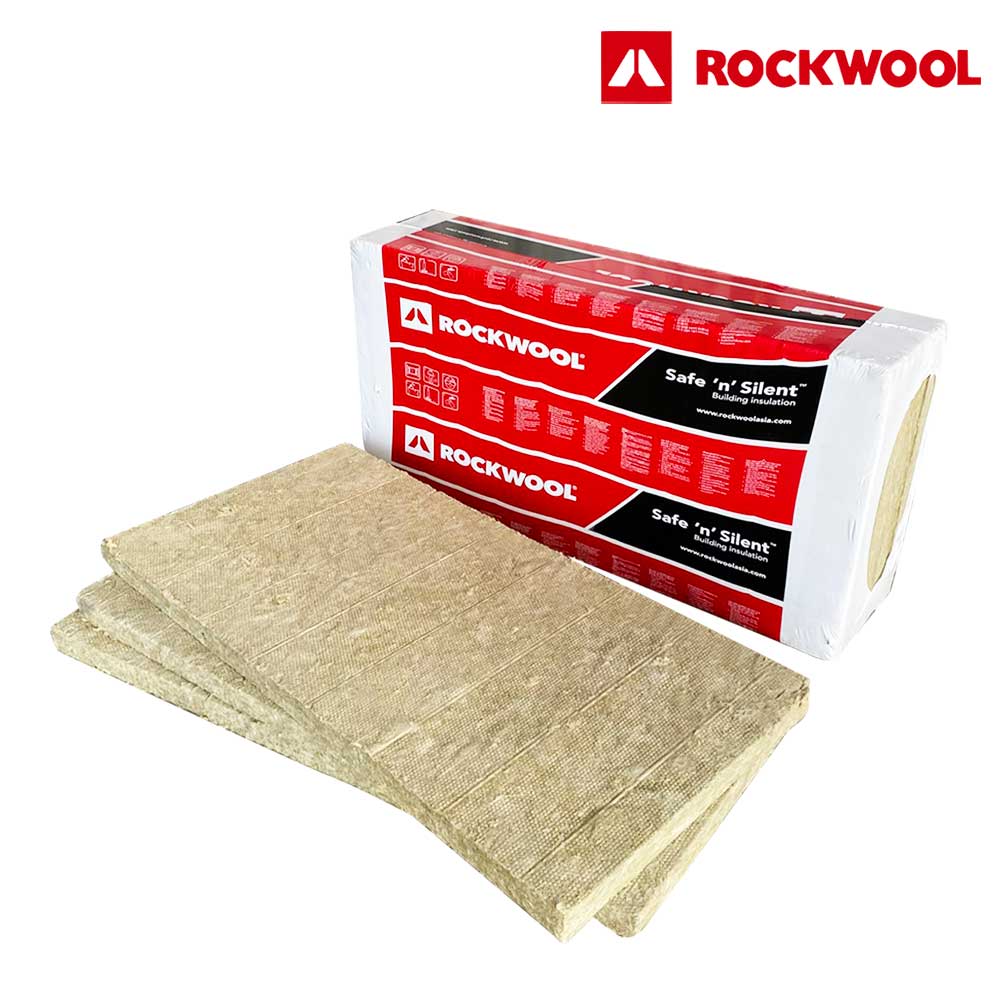
Sound insulation · Stone wool
Sound absorption · Glass wool
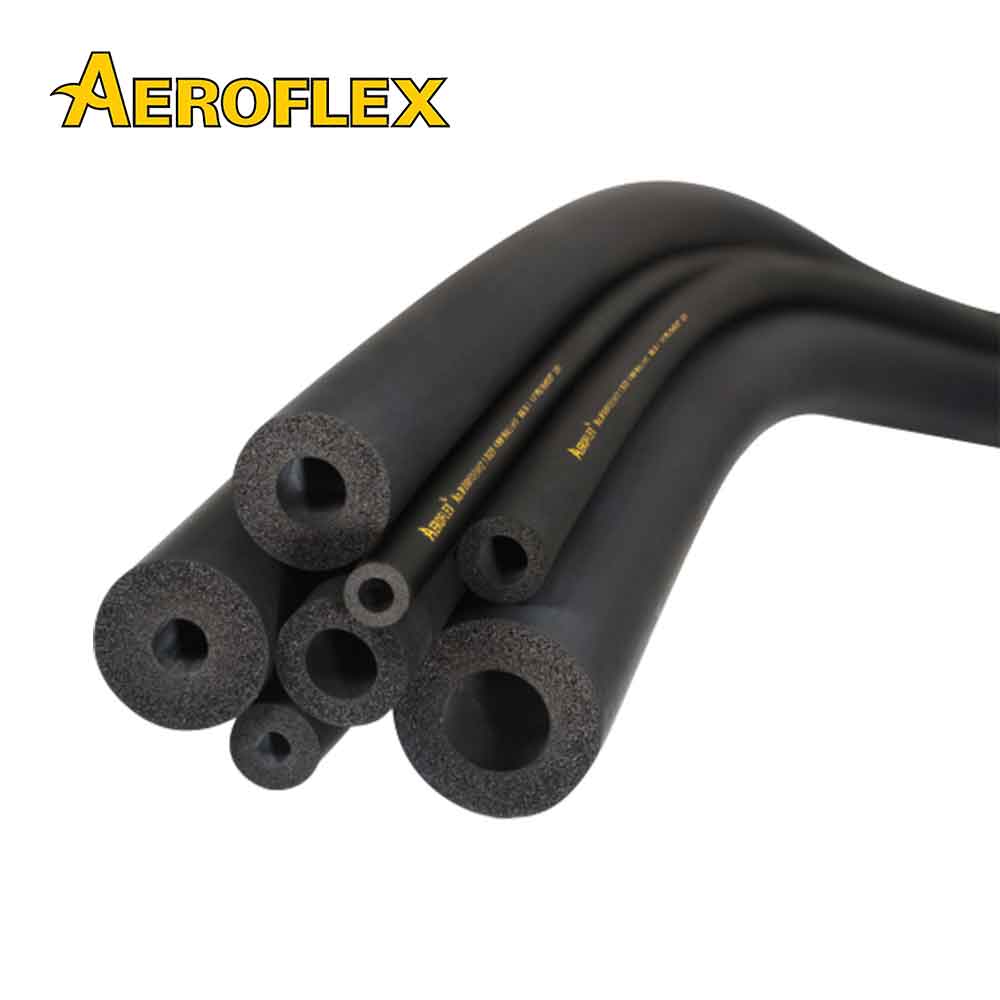
Pipe insulation · Elastomeric foam
Check the message below, then press “Open LINE”. On a phone LINE opens with this message; on a computer LINE shows a QR code to scan with your phone. If LINE does not open, copy the message into the chat, or call us.
Add us on LINE: @x2525 · Call 062-195-1909