4 min read · Written by our team · Updated 26 Sept 2026
In short
Dew point is the temperature at which air holding a given amount of water vapour becomes saturated when cooled. Condensation is water vapour turning into liquid droplets, which happens when air touches a surface colder than its dew point. Insulation on cold pipes therefore has two jobs: keep the outer surface of the insulation system warmer than the dew point of the surrounding air, and stop water vapour reaching the pipe surface.
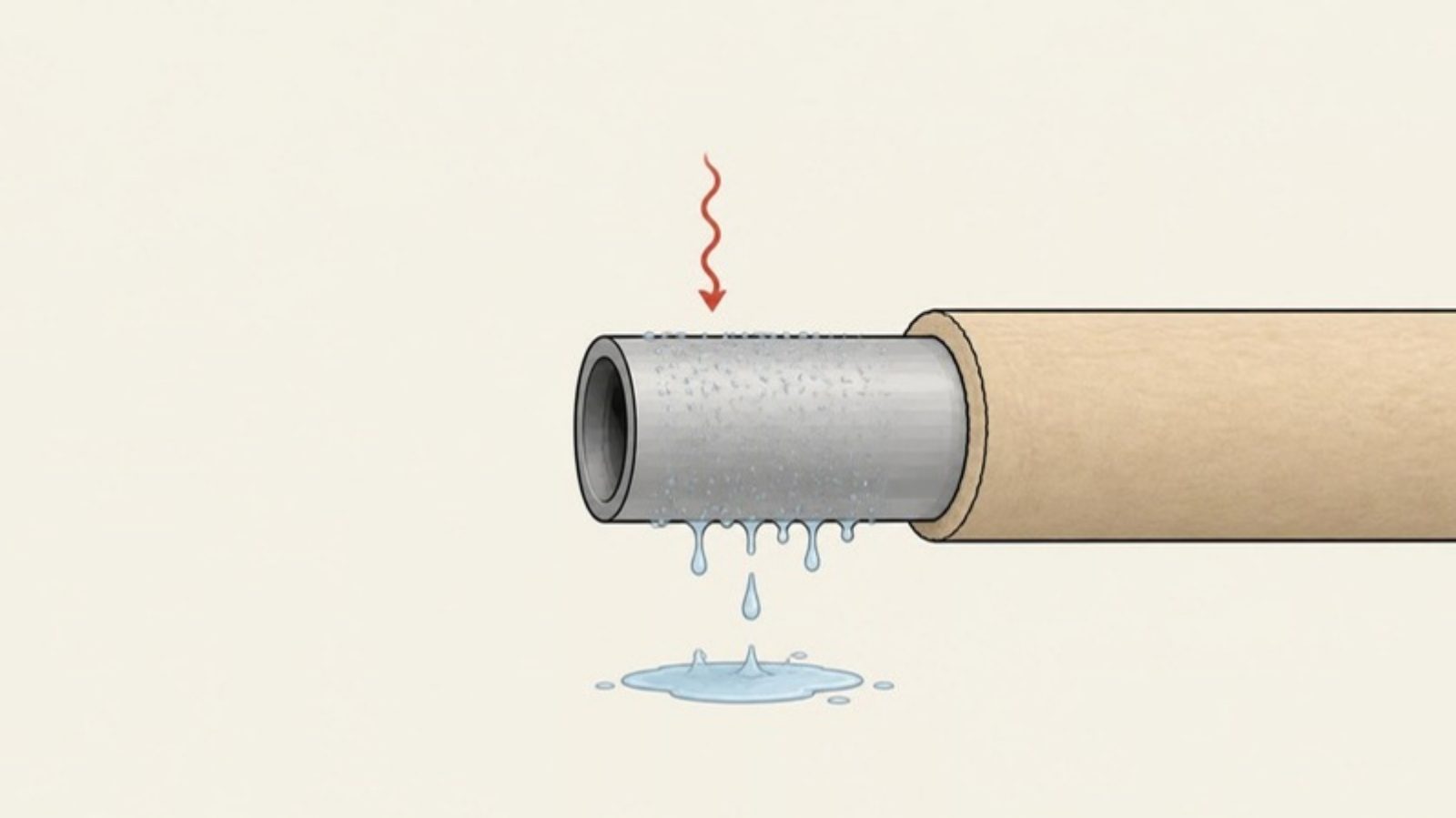
1The surrounding air holds water vapour; on a surface colder than its dew point, the vapour condenses into water
2Water collects on the pipe and drips onto the ceiling or floor
3Insulation sized for the pipe temperature and the site's temperature and humidity keeps its outer surface warmer than the dew point
4Seams must be sealed as the manufacturer specifies — through any gap, humid air can reach the pipe and condense under the insulation
How does relative humidity fit in?
Relative humidity (RH) is the ratio (in %) of the water vapour in the air to the maximum the air could hold if saturated at that temperature. Warm air can hold more vapour than cold air, so:
At the same air temperature, the higher the RH, the closer the dew point is to the air temperature
The dew point is always at or below the air temperature
At 100% RH the dew point equals the air temperature
An example for illustration (calculated with a standard meteorological approximation, not a design value): air at 30 °C and 70% RH has a dew point of about 24 °C. Any surface in that space colder than about 24 °C can start to collect water — and chilled-water and refrigerant lines are much colder than that.
Why do cold surfaces sweat?
Air next to a cold surface is cooled. If it cools to the dew point, that air is saturated and the extra vapour condenses as water on the surface. That is why a glass of iced water gets wet on the outside, and why uninsulated AC pipes, chilled-water pipes and cold ducts drip.
How does insulation prevent condensation?
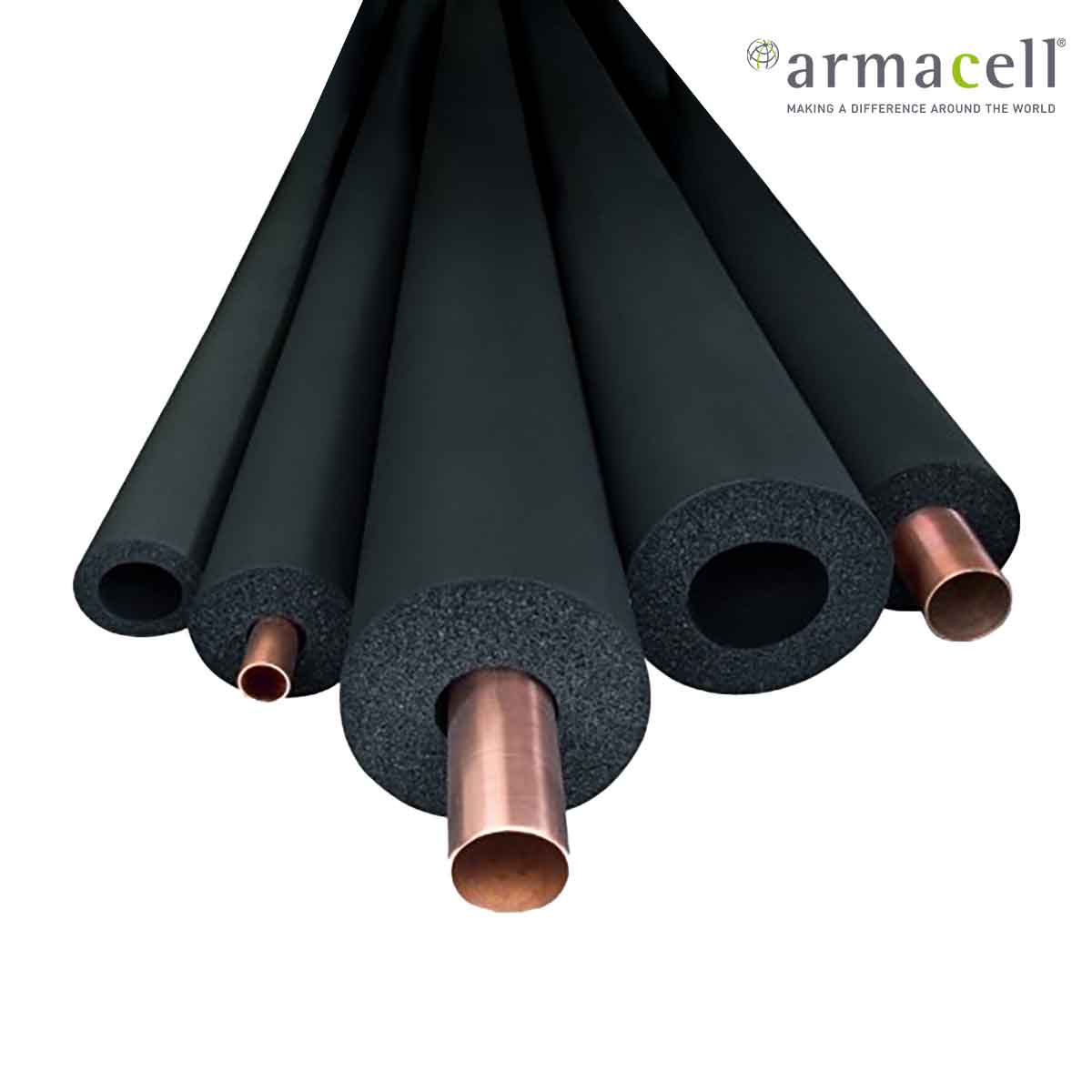
Raise the outer surface temperature — insulation thick enough keeps the outer surface of the insulation system warmer than the dew point of the surrounding air. The thickness needed depends on pipe temperature, air temperature and humidity, pipe size and the insulation's thermal conductivity, so it must be calculated for the real conditions.
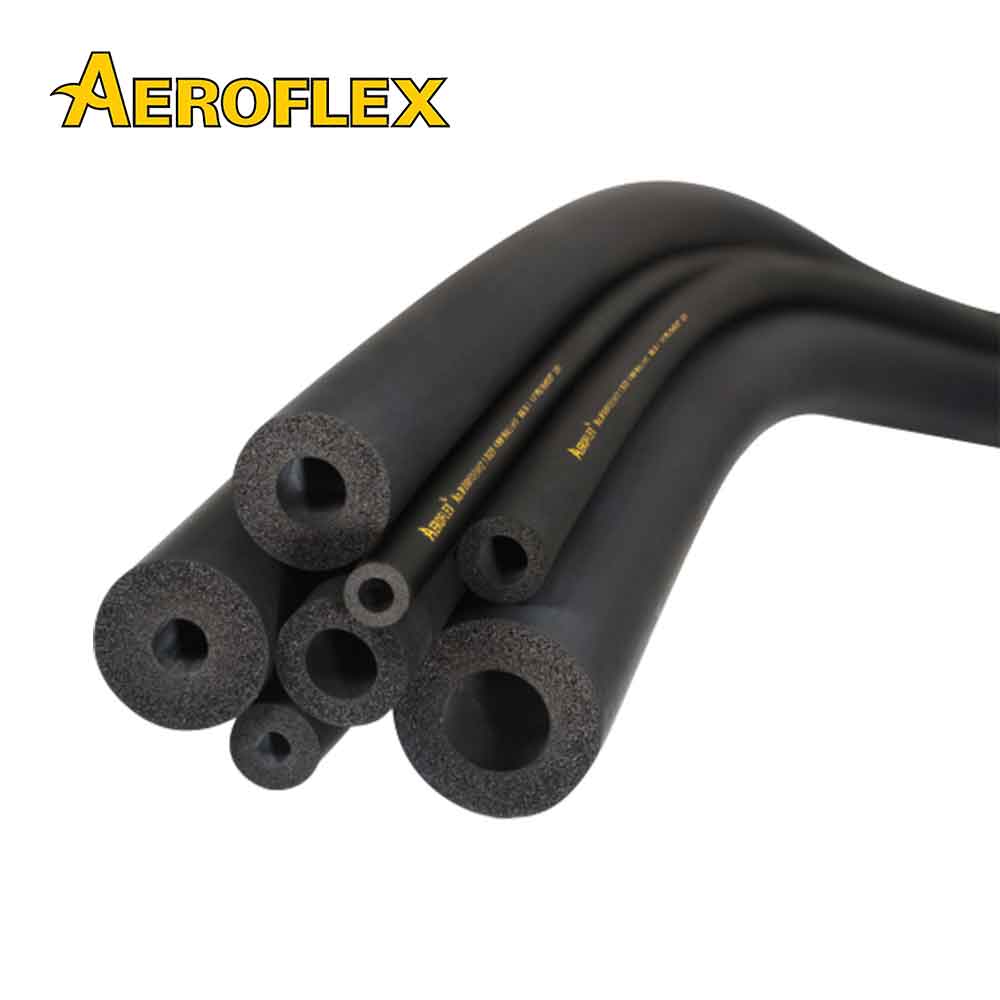
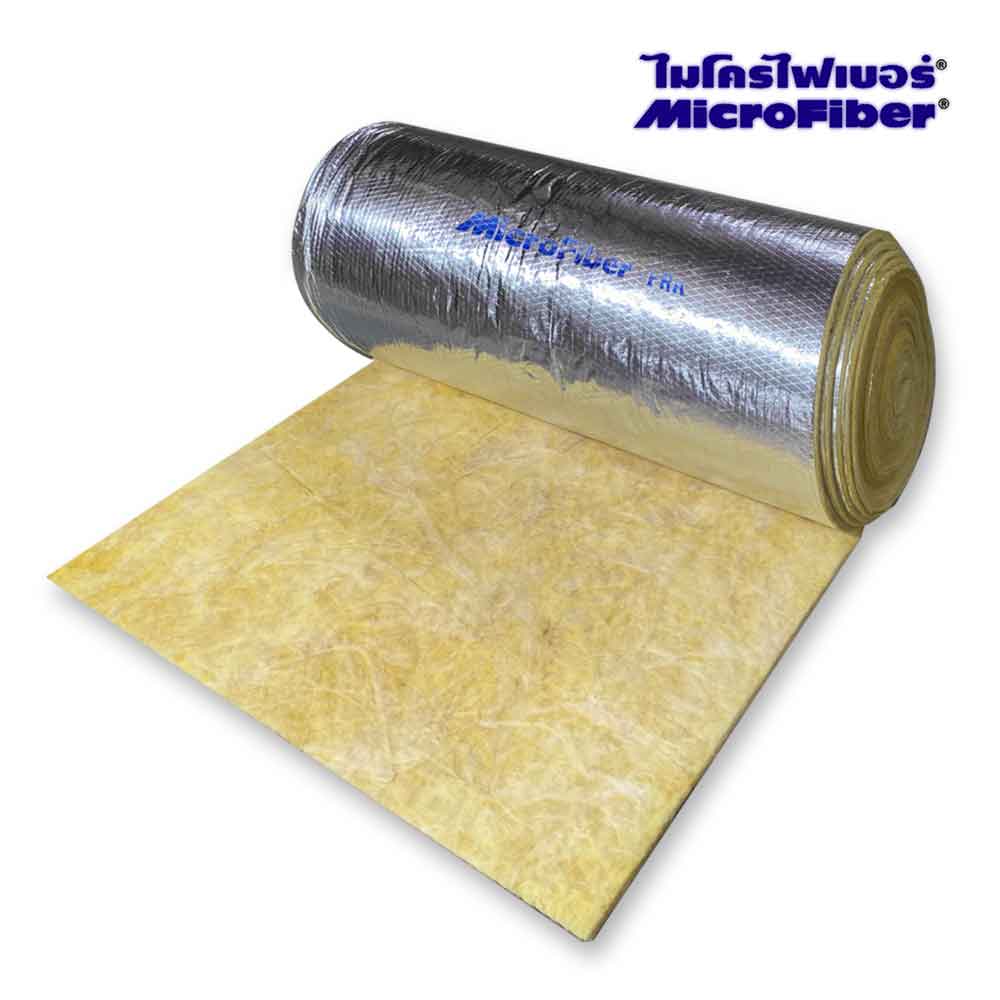
Keep water vapour away from the pipe — if vapour diffuses through the insulation to the cold pipe, it condenses inside the insulation. This needs a material with high vapour resistance or a continuous vapour-retarding facing. See What is a vapour barrier?
At very high humidity the required thickness rises quickly
As RH approaches 100%, the dew point approaches the air temperature and the thickness needed to keep the surface dry rises steeply. ASHRAE notes that at very high humidity, thickness alone may not be a practical way to prevent surface condensation. In such spaces the designer should also consider controlling the space's humidity.
Check the message below, then press “Open LINE”. On a phone LINE opens with this message; on a computer LINE shows a QR code to scan with your phone. If LINE does not open, copy the message into the chat, or call us.