Building thermal insulation · Glass wool
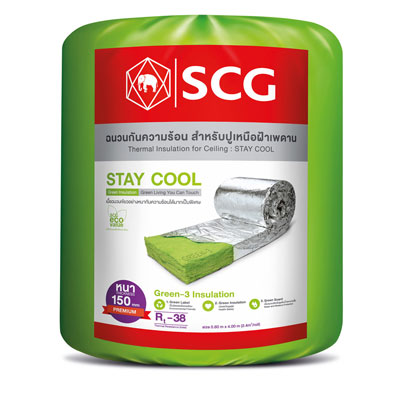
SCG STAY COOL
- Thickness
- 75–150 mm
- Thermal resistance (R)
- 1.79 m²·K/W (75 mm)
Sound coming in or going out (sound insulation)
Echoey rooms (sound absorption)
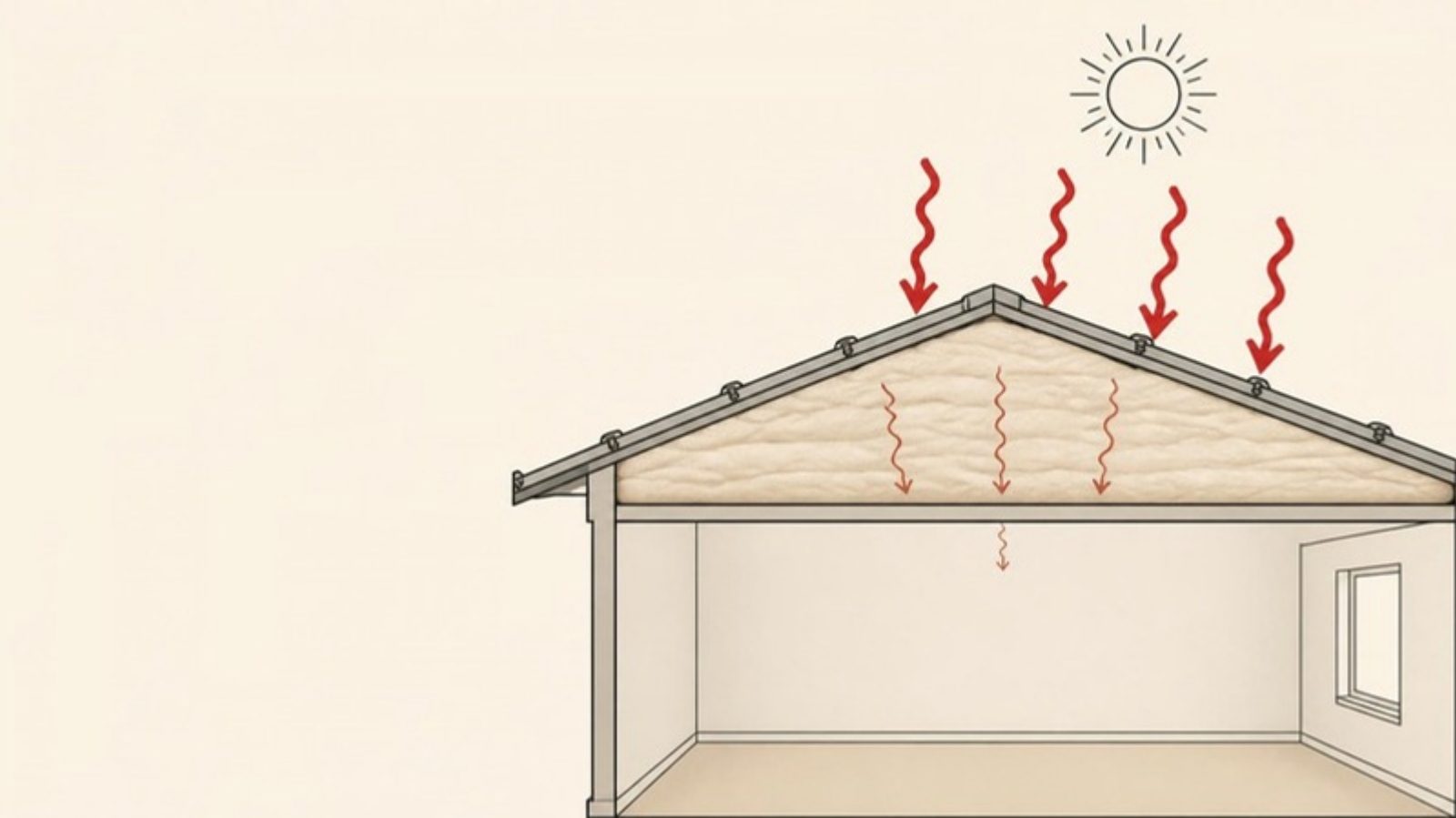
Thermal resistance (R-value) shows how strongly a layer of material at a given thickness resists heat flow. The higher it is, the more heat it resists. For a uniform layer, R = thickness (m) ÷ λ. The SI unit is m²·K/W; US documents use ft²·°F·h/Btu, which gives very different numbers, so never compare the two directly.
So if the same material is made twice as thick, its R-value doubles.
For a uniform layer: R = d ÷ λ, where d is the thickness in metres.
Hypothetical example (not data for any product): insulation with λ = 0.040 W/m·K, 75 mm thick, gives R = 0.075 ÷ 0.040 ≈ 1.88 m²·K/W.
When layers are stacked, their R-values add up. For example, one layer of R 1.88 plus another of R 0.50 (hypothetical) gives R 2.38 m²·K/W. This is the basis for working out the U-value of a whole wall or roof.
| System | Unit | Where you see it |
|---|---|---|
| --- | --- | --- |
| SI (sometimes written RSI) | m²·K/W | European and Asian documents and most manufacturers in Thailand |
| Imperial (US) | ft²·°F·h/Btu | US documents and websites, e.g. "R-13", "R-30" |
1 m²·K/W is about 5.678 ft²·°F·h/Btu. So insulation rated R 1.88 in SI units would be written as roughly R-10.7 in imperial units, although it is the same product. If an R figure looks unusually high, check the unit first.
If a document only says "R-10" without a unit, ask the seller or manufacturer which unit it uses and at what thickness it was measured.
A thin foil sheet has almost no R-value from its own material. Its effect depends on the air space in front of the foil surface and on the direction of heat flow, so do not compare it with bulk insulation by an R figure for the sheet alone. Read how reflective foil works.
For the R-value of a specific product, see the manufacturer's datasheet at that thickness, or ask us. To choose a thickness, read how to choose insulation thickness.
Categories and example products for this topic
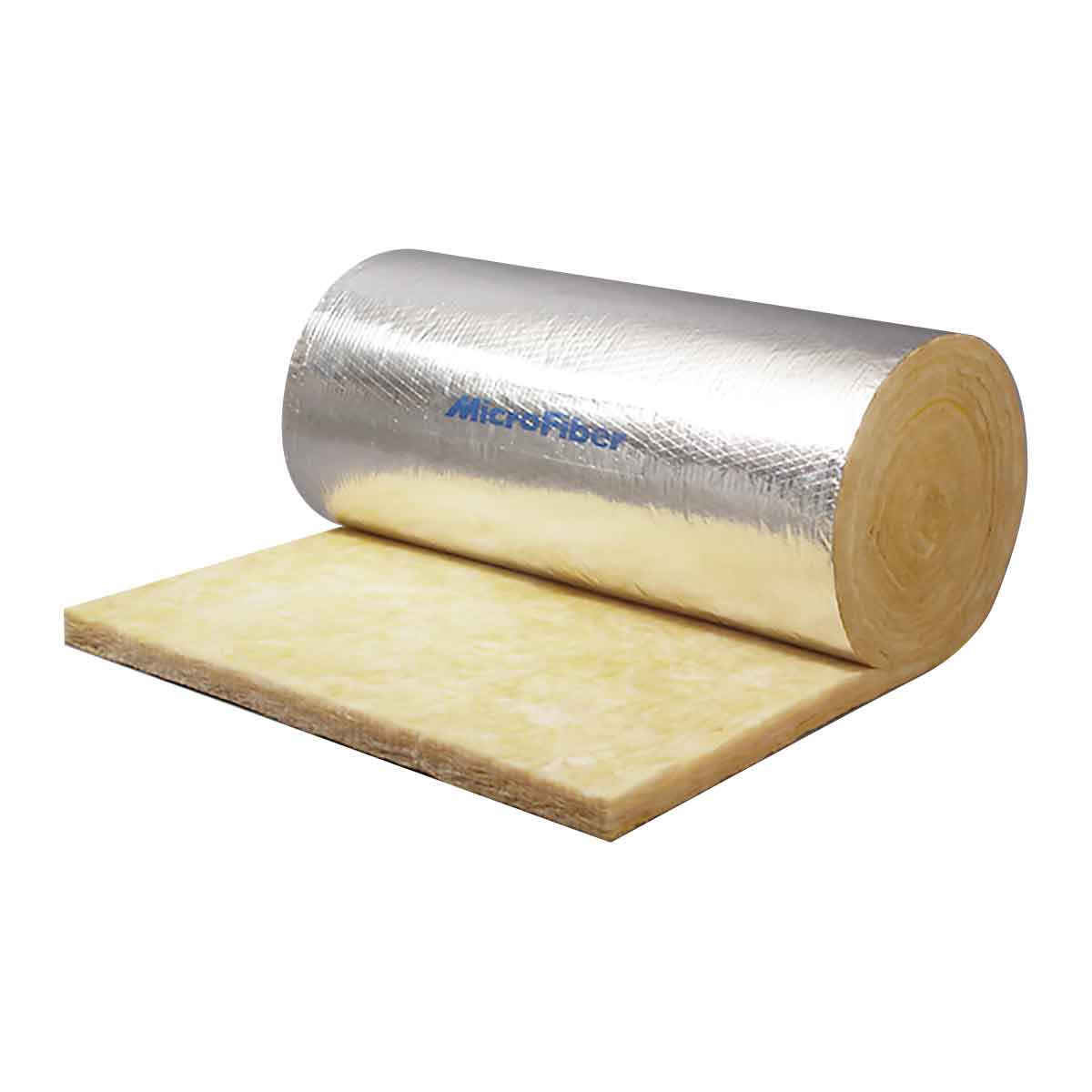
Building thermal insulation · Glass wool
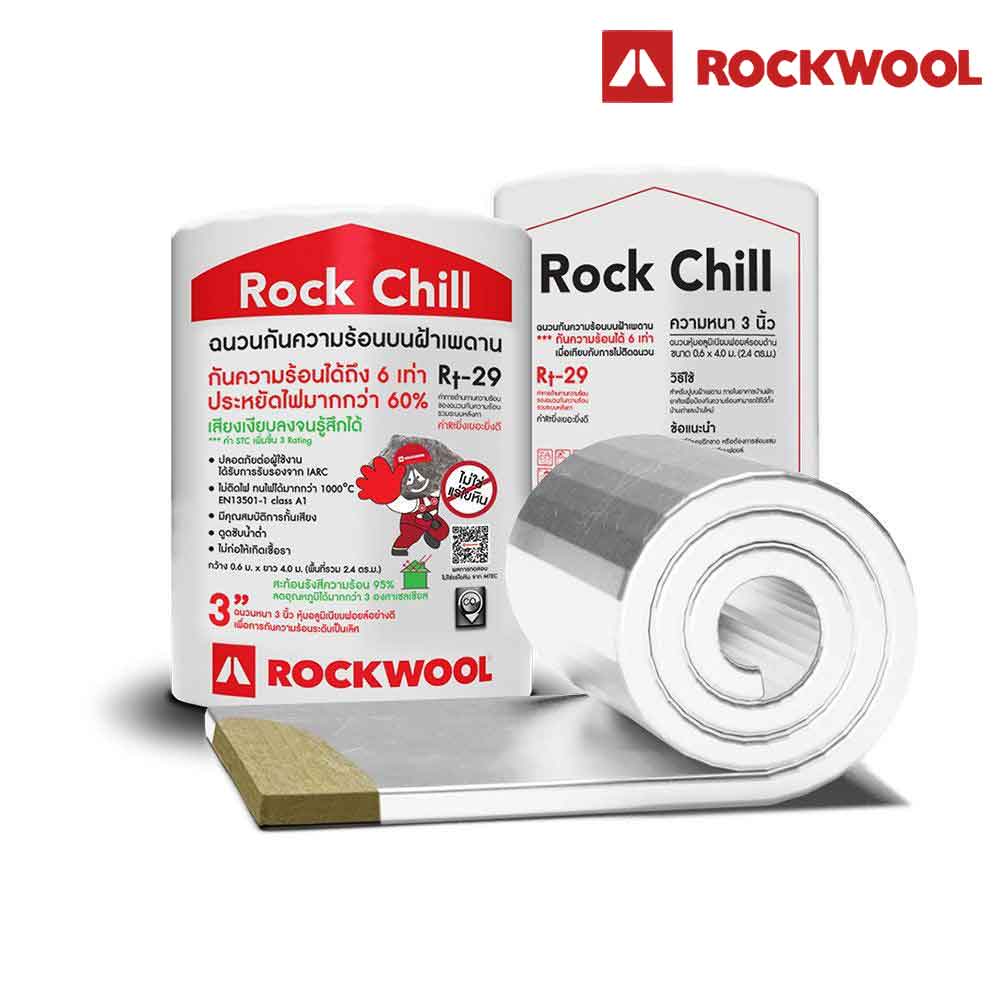
Building thermal insulation · Stone wool
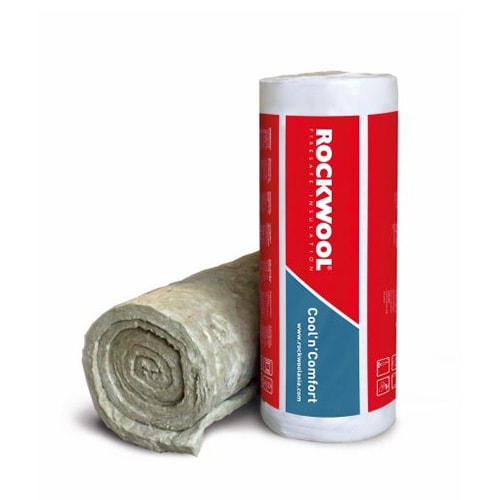
Building thermal insulation · Stone wool
Building thermal insulation · Glass wool
Check the message below, then press “Open LINE”. On a phone LINE opens with this message; on a computer LINE shows a QR code to scan with your phone. If LINE does not open, copy the message into the chat, or call us.
Add us on LINE: @x2525 · Call 062-195-1909