LINE: ask a price

Installation and use

How do gaps and compression affect insulation performance?

5 min read · Written by our team · Updated 26 Sept 2026

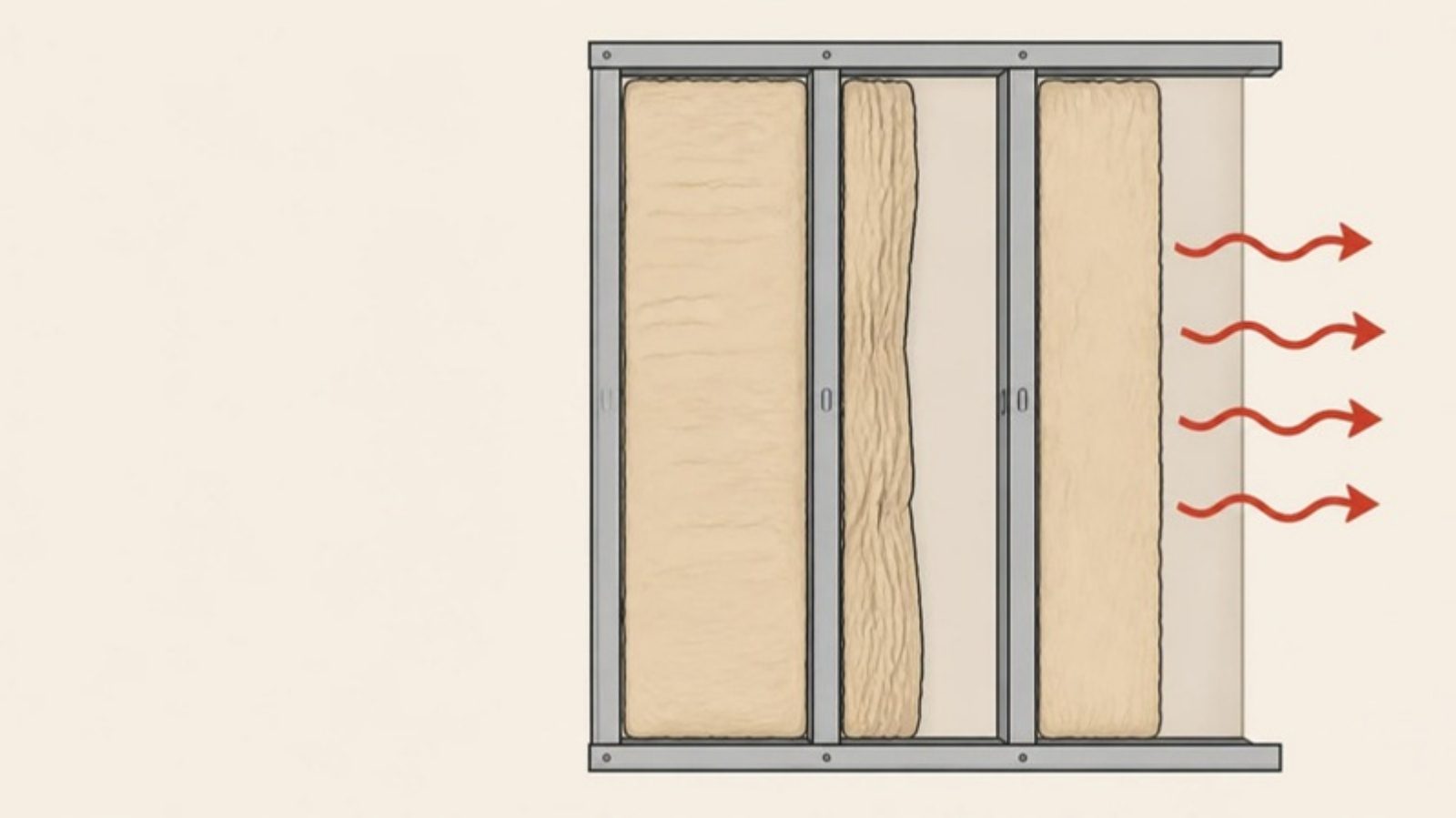
A stud wall with three cavities: one filled properly, one with crushed insulation, and one with a side gap where red heat arrows pass through.
In short

Insulation only works where it is present at full thickness. Gaps between pieces or around penetrations give heat, air and sound a direct path through. Compressing fibrous insulation makes it thinner, which lowers its total thermal resistance (R). The values in a manufacturer's documents are only achieved when the insulation covers the whole area, at full thickness, installed to the manufacturer's guide.

Why do small gaps matter so much?

  • Heat takes the shortcut — heat passes far more easily where there is no insulation, so a gap that looks small pulls down the result for the whole area
  • Air movement — Building Science Corporation explains that gaps, voids and incomplete cavity fill leave spaces where air can loop in and around the insulation, carrying heat with it
  • Cold spots and condensation — on systems colder than the surrounding air, such as chilled-water pipes or cold ducts, a gap where the cold surface meets humid air is where drips can form. See Why AC pipes drip
  • Sound leaks — in sound-insulating walls, leaks at edges, sockets and pipe penetrations let a lot of sound through even when the cavity is full. See Flanking sound

The US insulation inspection approach (RESNET) grades installations by the amount of gaps, compression and incomplete fill, showing that installation quality is part of performance, not a detail.

What does compression do to fibrous insulation?

Glass wool and stone wool insulate because still air is held between the fibres. When they are squeezed thinner:

  • Thickness falls, and total R-value = thickness ÷ λ falls with it
  • Density rises and the R-value per unit thickness may rise slightly, but not enough to make up for the lost thickness (as the North American Insulation Manufacturers Association, NAIMA, explains for glass fibre)
  • Foil-faced insulation pressed tight against the roof sheet or ceiling may lose the air space that its reflective surface needs. See Reflective foil

Common unintended compression: forcing insulation thicker than the cavity, running cables or pipes over it, storing things on ceiling insulation, and walking on it.

Density does not change this — if insulation is compressed during installation, the higher density does not make it better. See What insulation density tells you.

Acoustic work: install as the system specifies

A documented STC / Rw belongs to a wall system built to specific details, including the type, thickness and amount of cavity insulation. Install the insulation the system calls for, fill the cavity without gaps, do not change thickness or grade without checking with the manufacturer, and do not overstuff until the boards bulge. See How cavity insulation helps sound insulation.

Fill fully, at full thickness

  • Drywall: use slab sizes that suit the stud spacing. Some stone wool makers design their slabs to friction-fit between studs; check the product's guide for how much to cut oversize. Cut insulation neatly around electrical boxes and pipes instead of stuffing it behind them. See Installing insulation in drywall
  • On ceilings: lay pieces butted together across the whole area without leaving edges uncovered, and do not cover light fittings or heat-producing electrical equipment. See Ceiling insulation
  • Foil-faced insulation: seal joints with aluminium foil tape as the manufacturer instructs, so the facing is continuous
  • Cold pipes and ducts: butt insulation tightly, seal joints with adhesive or tape as the manufacturer's system requires, and at pipe supports use the support method the manufacturer recommends instead of clamping the insulation flat. See Sealing insulation joints
  • Keep insulation dry; check fibrous insulation that has got wet or been crushed before using it

Check after installation

Check pointWhat you should see
------
Joints between piecesTightly butted, no light or gaps showing
Cavity and ceiling edgesInsulation reaches the edge, not curled or shrunk back
Around boxes, pipes, cablesCut to fit, not stuffed or left empty
ThicknessClose to the stated thickness, not squashed
Foil facings / cold pipesTape or adhesive continuous

Safety

Wear gloves, long sleeves, eye protection and a dust mask when installing fibrous insulation. Work on roofs or at height needs fall protection. Work near electrical systems or on fire-protection systems should be done by qualified professionals.

Sources

  • Building Science Corporation — Info-501: Installation of Cavity Insulation
  • RESNET / Insulation Institute (NAIMA) — Grade I installation guidance
  • U.S. DOE Building America Solution Center — Insulation Installation Achieves RESNET Grade 1
  • NAIMA — guidance on compressed glass fibre insulation
  • ROCKWOOL — Safe 'n' Silent Pro product page and data sheet (friction-fit installation)
  • National Research Council Canada (IRC) — Control of Sound Transmission through Gypsum Board Walls

Related products

Categories and example products for this topic

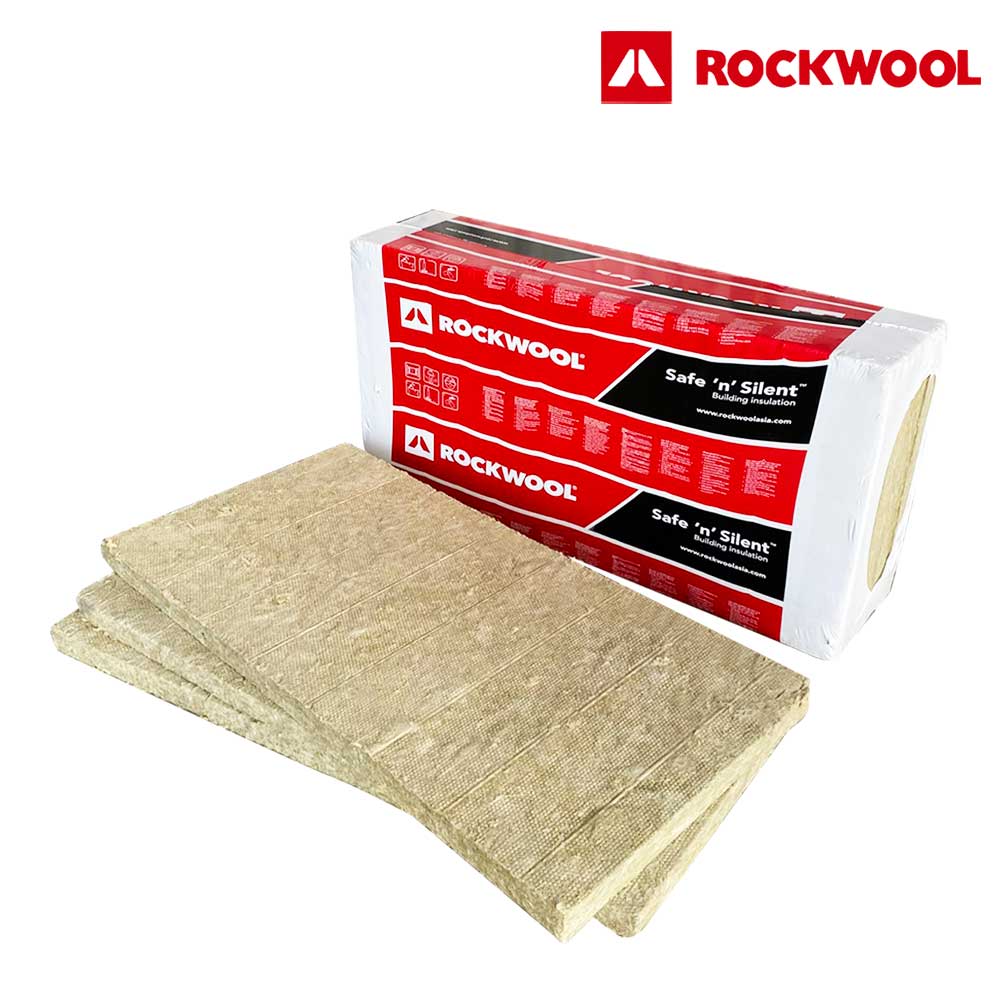
  • ROCKWOOL Safe 'n' Silent Pro — Stone wool slab for wall and ceiling cavities, which must be filled across the whole face
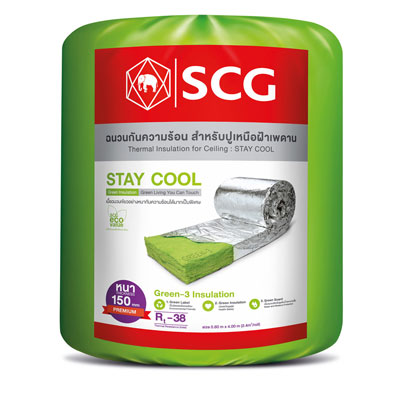
  • SCG STAY COOL — Glass wool roll for ceilings - lay pieces tight together over the whole area, uncompressed
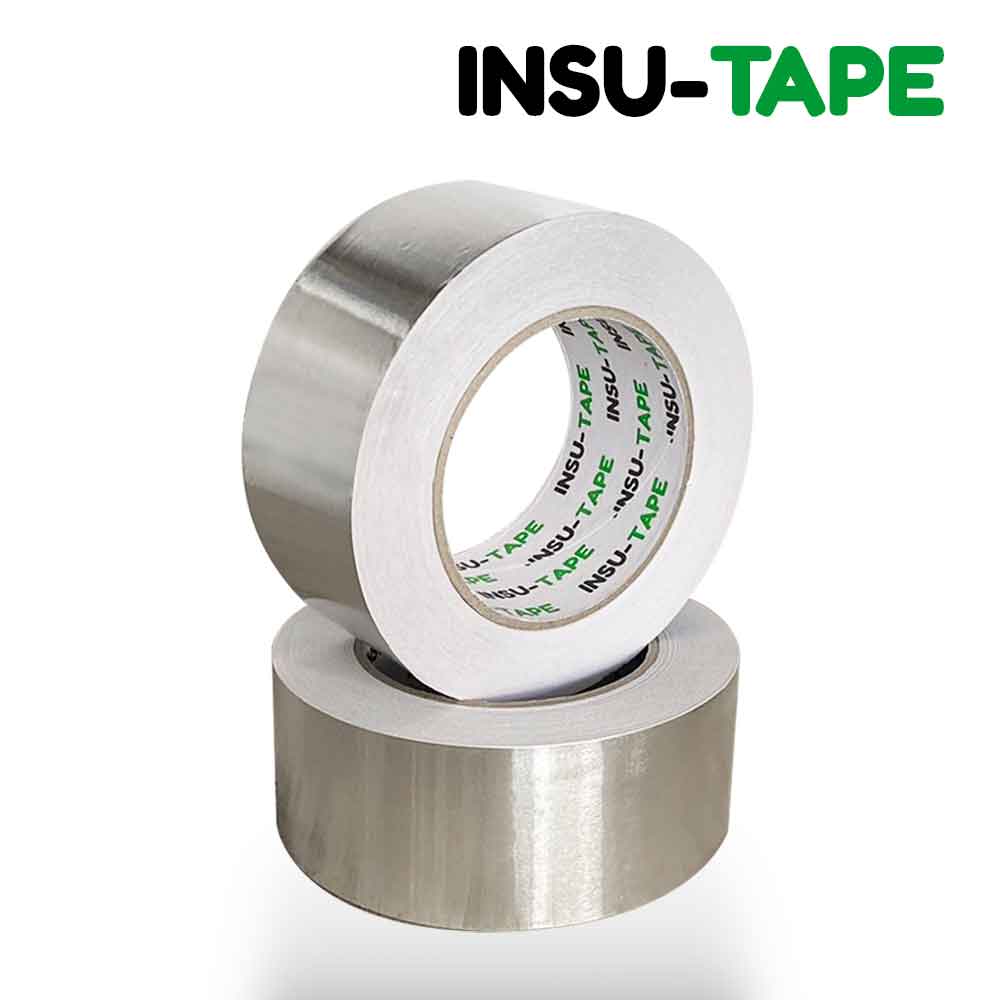
  • INSU-TAPE Aluminium Tape — Foil tape for closing joints in foil-faced insulation; heat resistance -20 to 120 °C
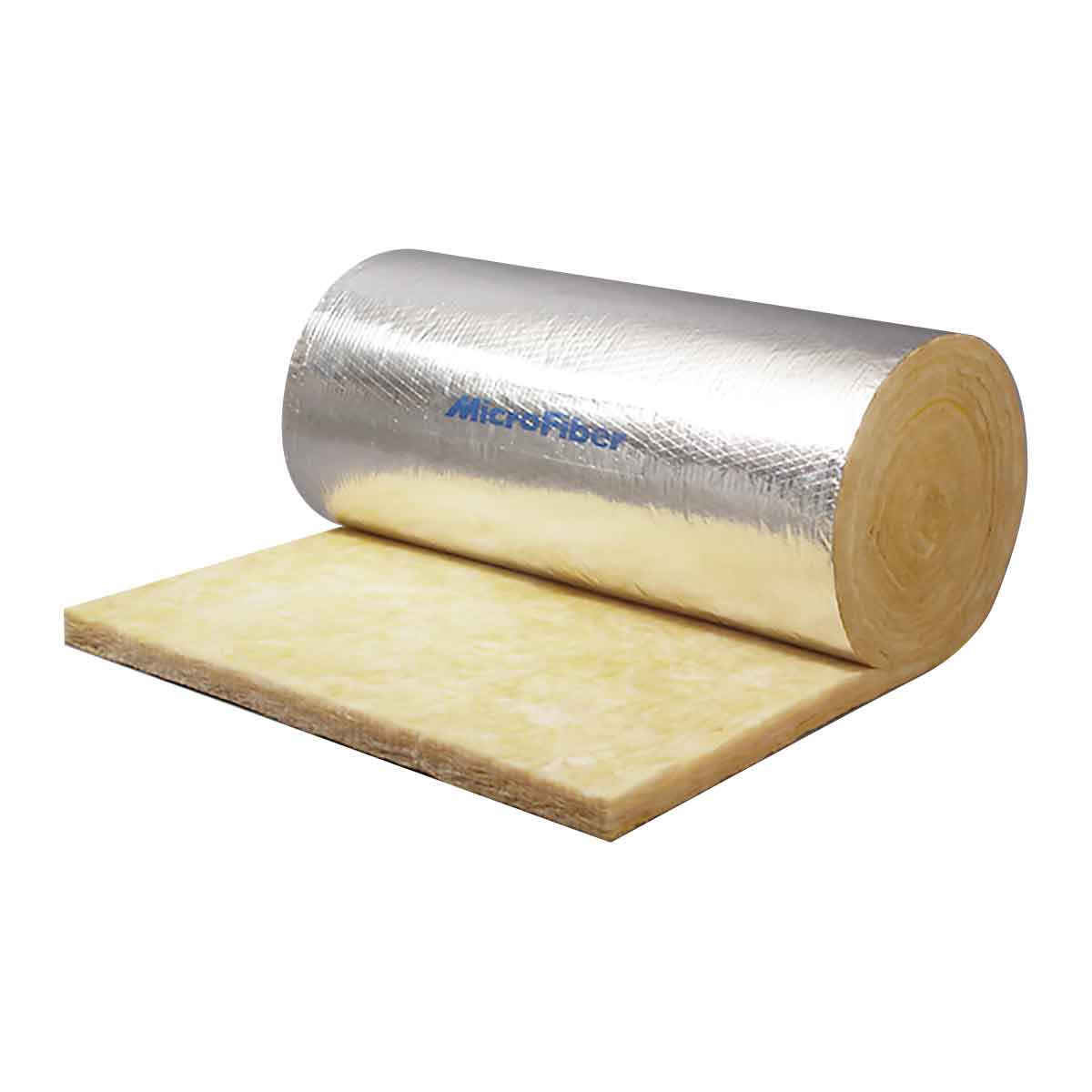
  • Microfiber MicroRoof FLS — Foil-faced roof glass wool, 25–75 mm; R-values in its table are for the full thickness

Read next

Related knowledge