Sound coming in or going out (sound insulation)
Noise from next door or through the wall — how to fix it
Most noise from a neighbouring room or house comes through the wall, through gaps and by indirect (flanking) paths such as a shared ceiling void. What works is turning the wall into a sound-insulating system: heavier boards, separated framing, insulation in the cavity and every gap sealed. Absorption panels on the wall help with echo but do not stop noise from next door.
Does this match your problem?
- You hear voices, TV or music from the next room or the house next door
- It is louder at certain spots — near sockets, at the ceiling or floor edge, or around a door
- A single-layer partition was built and sound passes through easily
- In a townhouse or semi-detached house, sound comes through the shared wall
Why does the sound get through?
- A light wall — a single layer or thin boards have little mass, so sound passes easily
- Gaps — back-to-back sockets, joints at the floor or ceiling, the gap under a door. Small openings let a lot of sound through
- Flanking — sound travels around the wall through the ceiling void, the structure or connected pipes, even when the wall itself is good
Which fix: sound insulation, not absorption
Here the sound is travelling through the wall, so the answer is sound insulation. If your problem is echo or reflections inside the room, see Echoey room instead.
Absorption panels make a room less echoey, but they do not stop sound passing through a wall
What a sound-insulating wall is made of
| Part of the system | What it does | Material |
|---|---|---|
| --- | --- | --- |
| 1–2 layers of board each side | Adds mass, blocks sound | Boards specified by the wall-system maker |
| Separated framing | Reduces sound carried from one face to the other | Framing to the wall system |
| Cavity insulation | Reduces resonance in the cavity and improves the system | Stone wool or glass wool |
| Sealing | Closes the paths sound leaks through | Sealants and joint fillers |
Sound insulation ratings (STC or Rw) belong to the whole wall, not to the insulation. See What is STC?
Products used in sound-insulating walls
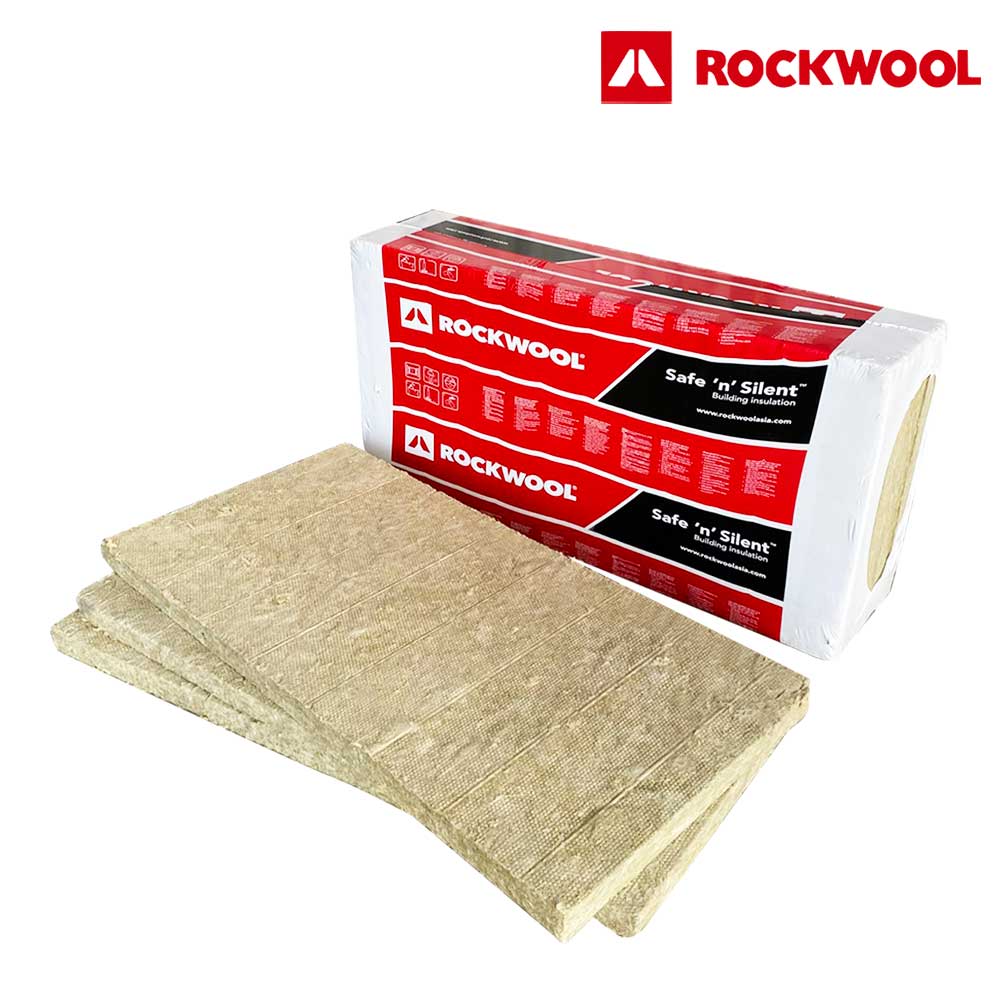
ROCKWOOL Safe 'n' Silent Pro stone wool slab
Sound insulationWhy it fits: Stone-wool slabs made for the cavity of drywall partitions and above ceilings in sound insulation work
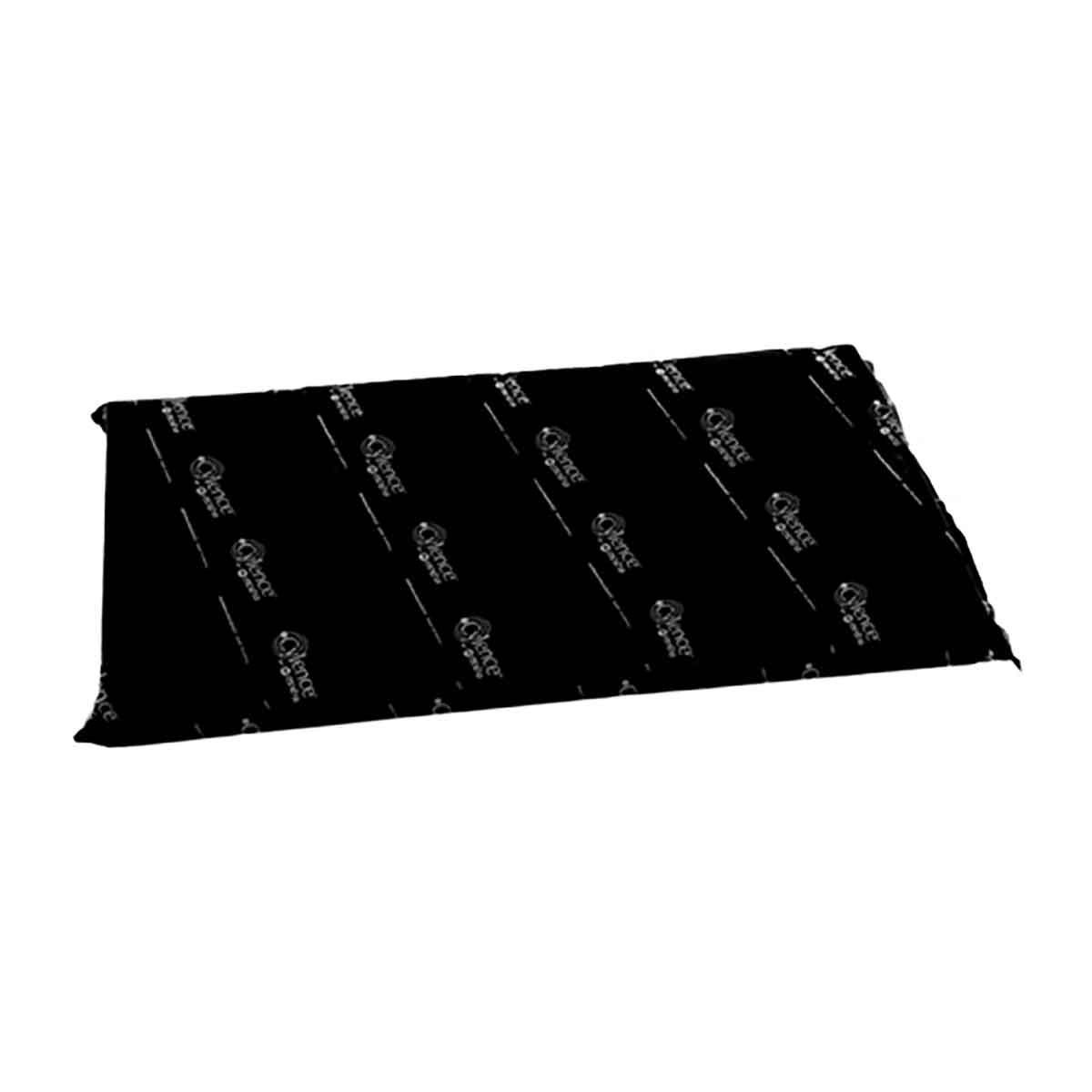
SCG Cylence ZoundBlock wall insulation
Sound insulationWhy it fits: Cavity insulation used in SCG's sound-insulating drywall systems
Before you start
- The result belongs to the whole system — insulation alone in a single-layer wall may do little
- Small gaps can undo a well-designed wall
- Low-frequency sound (bass, machinery) is harder to block than speech
- If the noise comes through windows or doors, those must be treated too
- Condos: check the building's rules before altering walls
Frequently asked questions
Do absorption panels on the wall stop noise from next door?
Very little. They reduce reflections inside the room but add no mass and do not close the paths sound travels through.
Can insulation be added to an existing wall?
If it is a hollow partition, one face can be opened, the cavity filled and a new board fitted. The result depends on the existing wall and on sealing. Send us photos and we'll take a look.
Common problems
Understand this better
Want us to look at your case?
Send photos, the area size and a description — we'll suggest the approach and materials
Ask via LINE