Industrial and high-temperature insulation · Stone wool
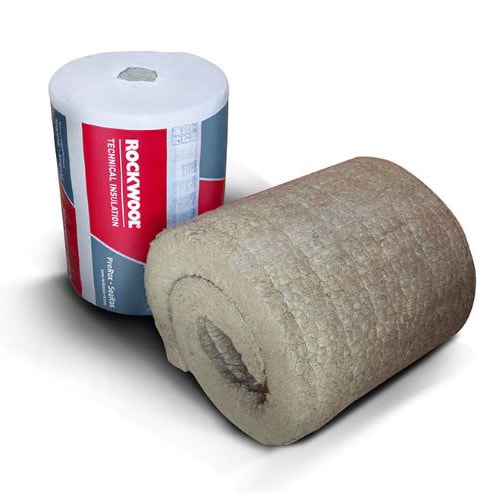
ROCKWOOL ProRox WM
- Max. temp.
- 650–750 °C
- Density
- 80–128 kg/m³
- Thermal conductivity (λ)
- 0.037–0.038 W/m·K (50 °C)
Sound coming in or going out (sound insulation)
Echoey rooms (sound absorption)
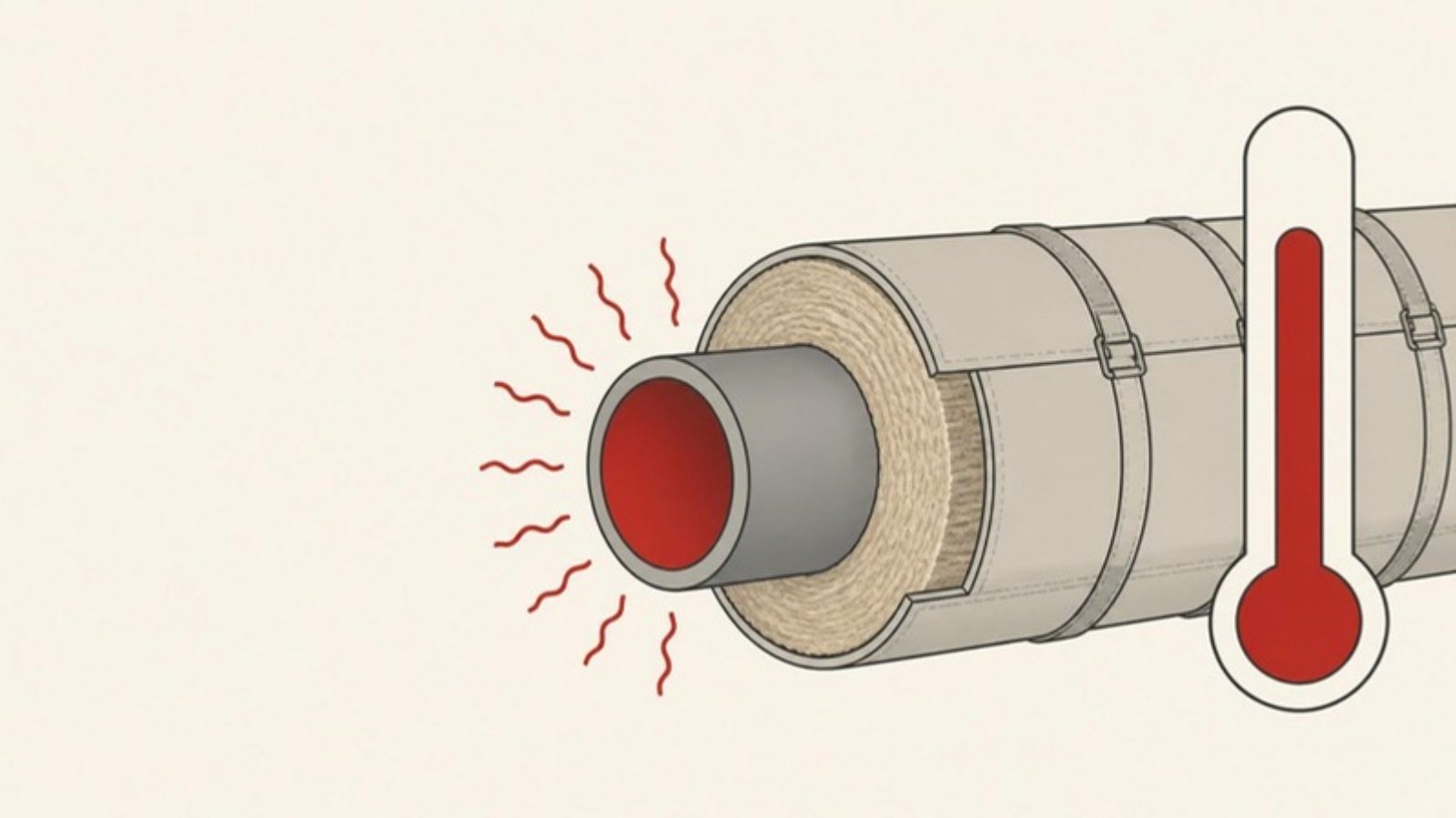
Service temperature is the temperature range in which insulation can be installed continuously against a hot or cold surface while keeping its shape and without losing its properties beyond the limits the manufacturer sets. It is used to match insulation to a pipe or piece of equipment. It is not the same as the melting point, a fire-test result or a fire-resistance rating, and it must always be taken from the documents of the specific product.
If insulation is used on a surface hotter than it was designed for, it can shrink, sag, crack or its binder can break down until heat escapes. Likewise, insulation for cold pipes has a lowest usable temperature; below it the material may become stiff, brittle or distorted.
Examples from manufacturers' documents:
| Product | What the maker states |
|---|---|
| --- | --- |
| ROCKWOOL ProRox WM | Maximum service temperature per grade (tested to ASTM C411 / C447) |
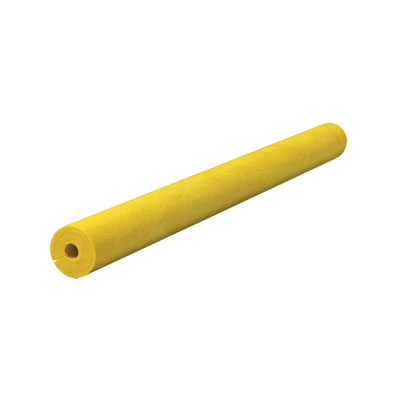
| SCG PCI | Service temperature range of the pipes it covers |
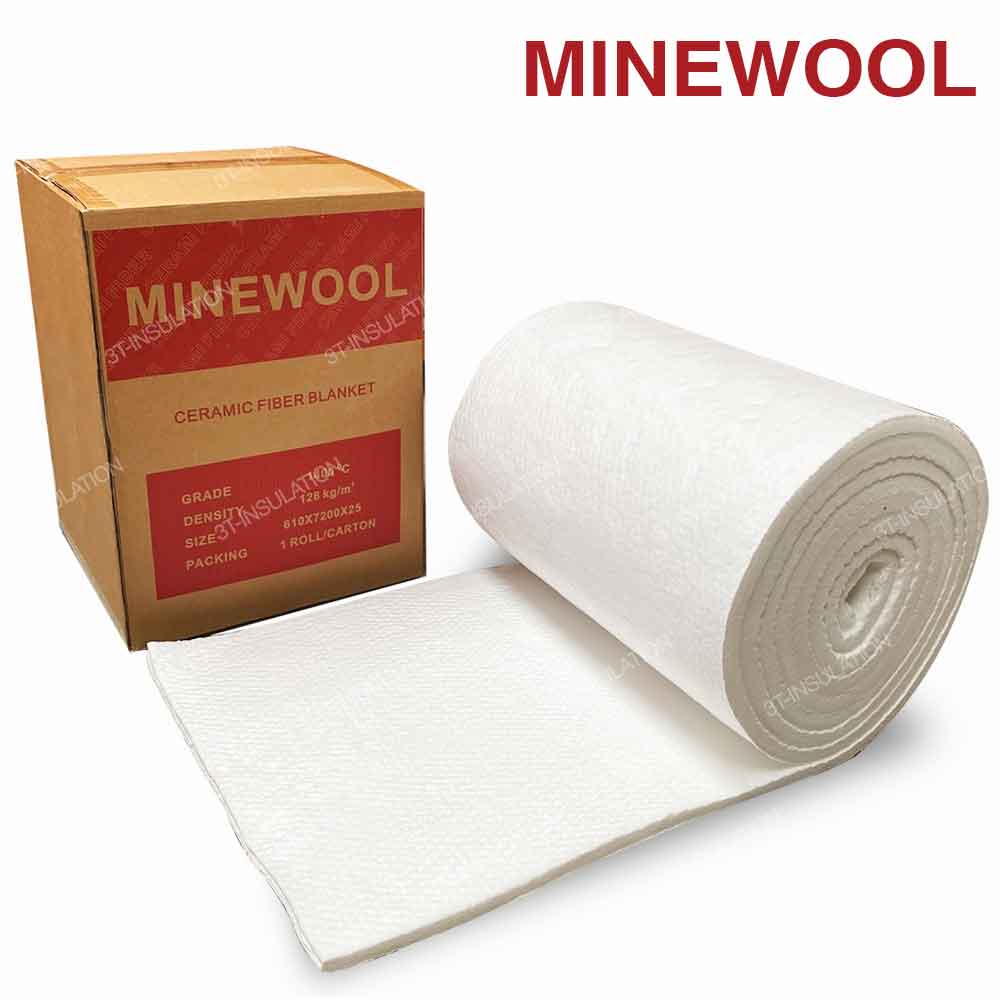
| MINEWOOL Ceramic Fiber Blanket | Classification temperature and working temperature, given separately |
See the product pages and manufacturers' documents for the actual figures — a value for one product cannot be used for another.
High-temperature insulation wools such as ceramic fibre are often labelled with a classification temperature, a value used to grade the material from a laboratory shrinkage test. It is generally higher than the temperature recommended for continuous use, so design should use the working temperature the manufacturer gives.
| Term | Meaning | Can it replace service temperature? |
|---|---|---|
| --- | --- | --- |
| Melting point | Temperature at which the fibres start to melt | No — far above what can be used continuously |
| Fire-test result, e.g. A1, non-combustible | How the material behaves in a standard fire test | No — a different question |
| Fire-resistance rating, e.g. 2 hours | Result of a complete tested system | No — not a property of the insulation alone |
| Mean temperature for λ | Temperature at which thermal conductivity is reported | No — a measurement condition |
For the fire terms, see reaction to fire, non-combustible and fire resistance.
Selecting insulation and calculating thickness for steam pipes, boilers or furnaces should be done by an engineer or industrial-insulation specialist. See how to choose high-temperature insulation.
Categories and example products for this topic
Industrial and high-temperature insulation · Stone wool
Pipe insulation · Glass wool
Industrial and high-temperature insulation · Ceramic fibre
Industrial and high-temperature insulation · Calcium silicate
Check the message below, then press “Open LINE”. On a phone LINE opens with this message; on a computer LINE shows a QR code to scan with your phone. If LINE does not open, copy the message into the chat, or call us.
Add us on LINE: @x2525 · Call 062-195-1909