Sound insulation · Stone wool
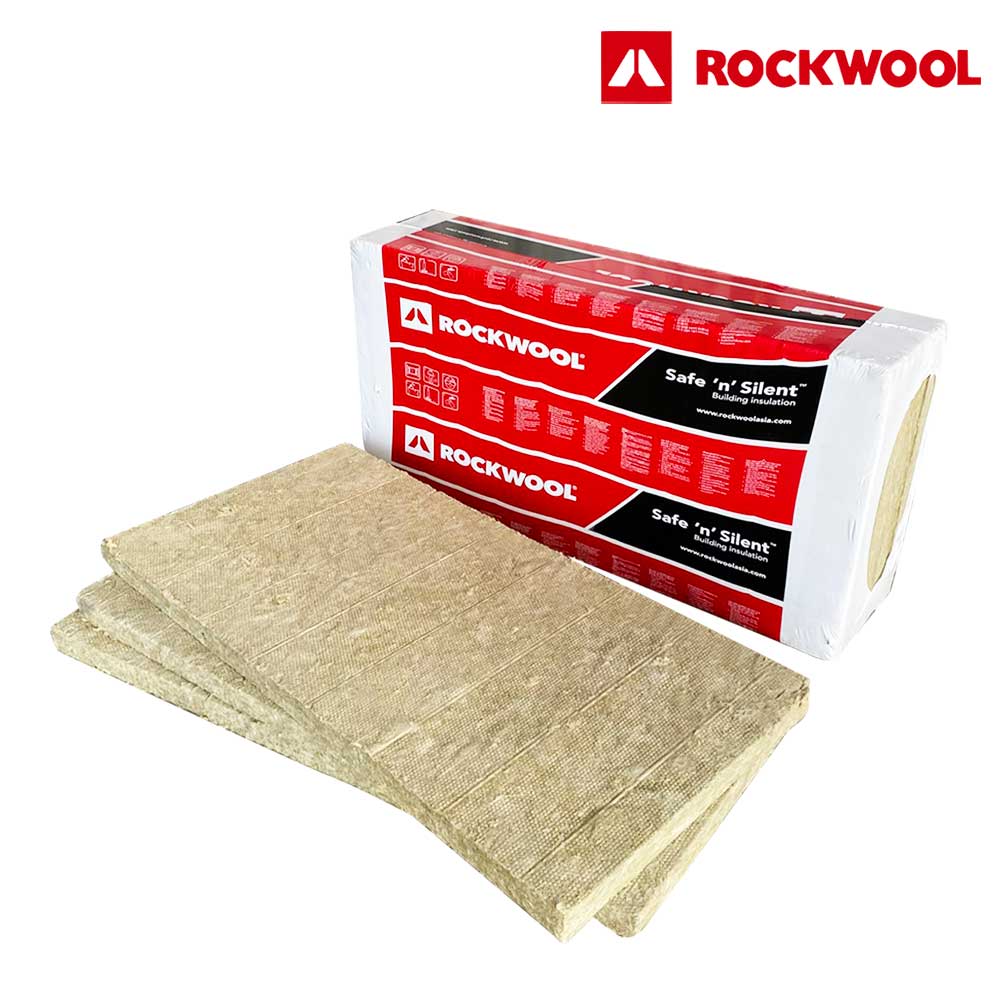
ROCKWOOL Safe 'n' Silent Pro
- Thickness
- 25–100 mm
- Density
- 40–100 kg/m³
- Sound absorption (NRC)
- 0.90–1.00
Sound coming in or going out (sound insulation)
Echoey rooms (sound absorption)
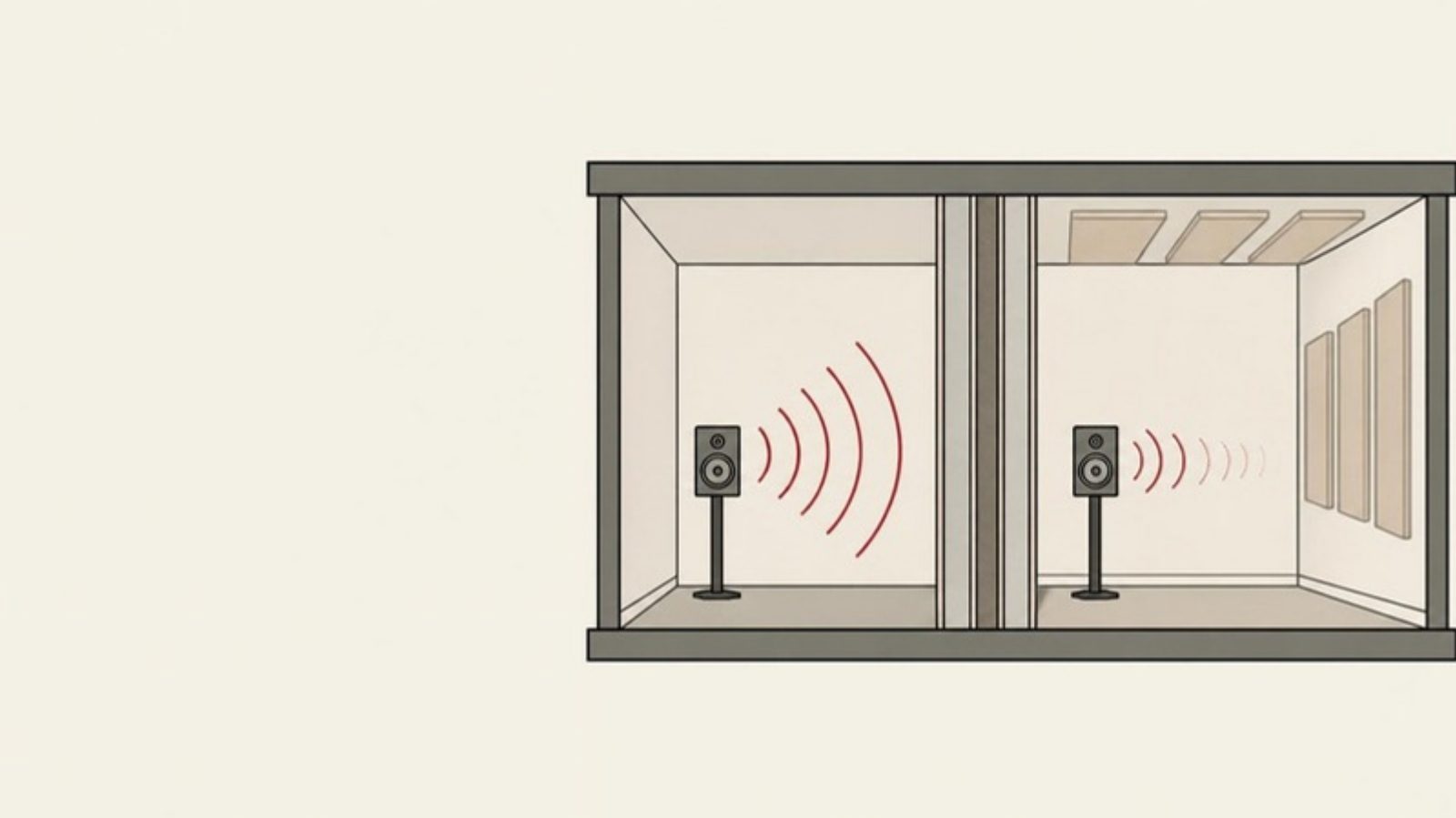
Sound insulation reduces the sound travelling through walls, ceilings or floors from one room to another. Sound absorption reduces the reflections inside a room. They use different materials and methods. Absorption panels make a room less echoey, but they do not block noise from the room next door.
Absorption panels make a room less echoey, but they do not stop sound passing through a wall
Sound passes through a wall because the wall vibrates with it, and because of gaps. Sound insulation relies on:
It is rated with STC or Rw, which describe the whole wall system. More in What is STC?
Porous or fibrous materials, such as absorption panels and open-cell foam, turn part of the sound energy into a tiny amount of heat, so less sound reflects back into the room. The room rings less and speech is clearer.
It is rated with the material's NRC. More in What is NRC?
| Sound insulation | Sound absorption | |
|---|---|---|
| --- | --- | --- |
| Solves | Noise from other rooms or outside | Echo, reflections, unclear speech |
| Works at | Walls, ceilings, floors, doors, windows | Surfaces inside the room |
| Relies on | Mass, decoupling, sealing | Porous or fibrous materials |
| Rating | STC / Rw (whole system) | NRC (material) |
| Typical use | Walls between bedrooms, plant rooms | Meeting rooms, restaurants, halls |
Stone or glass wool in a wall cavity is part of a sound-insulating system. The insulation absorbs sound inside the cavity, but the insulation performance comes from the whole wall together: boards, framing, infill and sealing.
Music rooms, home cinemas and private meeting rooms often need both: insulation to keep sound in, and absorption to keep it clear inside.
See the fixes: Noise from next door · Echoey room
Categories and example products for this topic
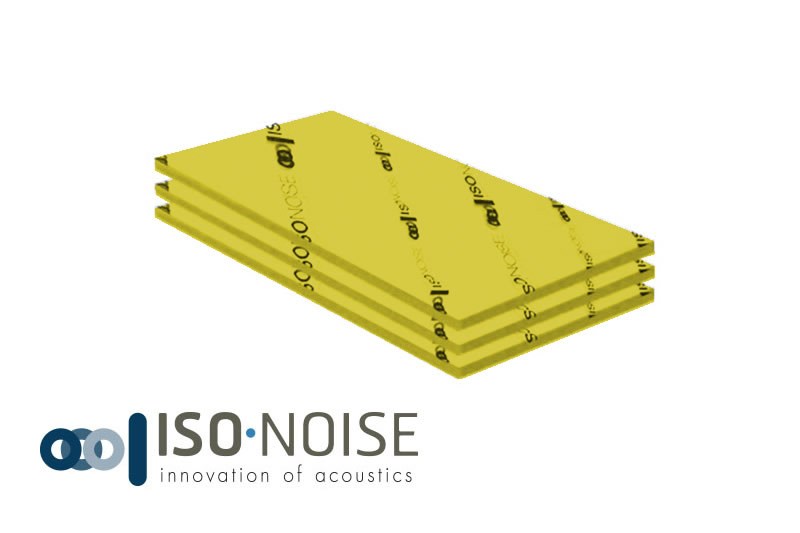
Sound insulation · Stone wool
Sound absorption · Glass wool
Check the message below, then press “Open LINE”. On a phone LINE opens with this message; on a computer LINE shows a QR code to scan with your phone. If LINE does not open, copy the message into the chat, or call us.
Add us on LINE: @x2525 · Call 062-195-1909