LINE: ask a price

Fire protection

How do reaction to fire, non-combustible and fire resistance differ?

6 min read · Written by our team · Updated 26 Sept 2026

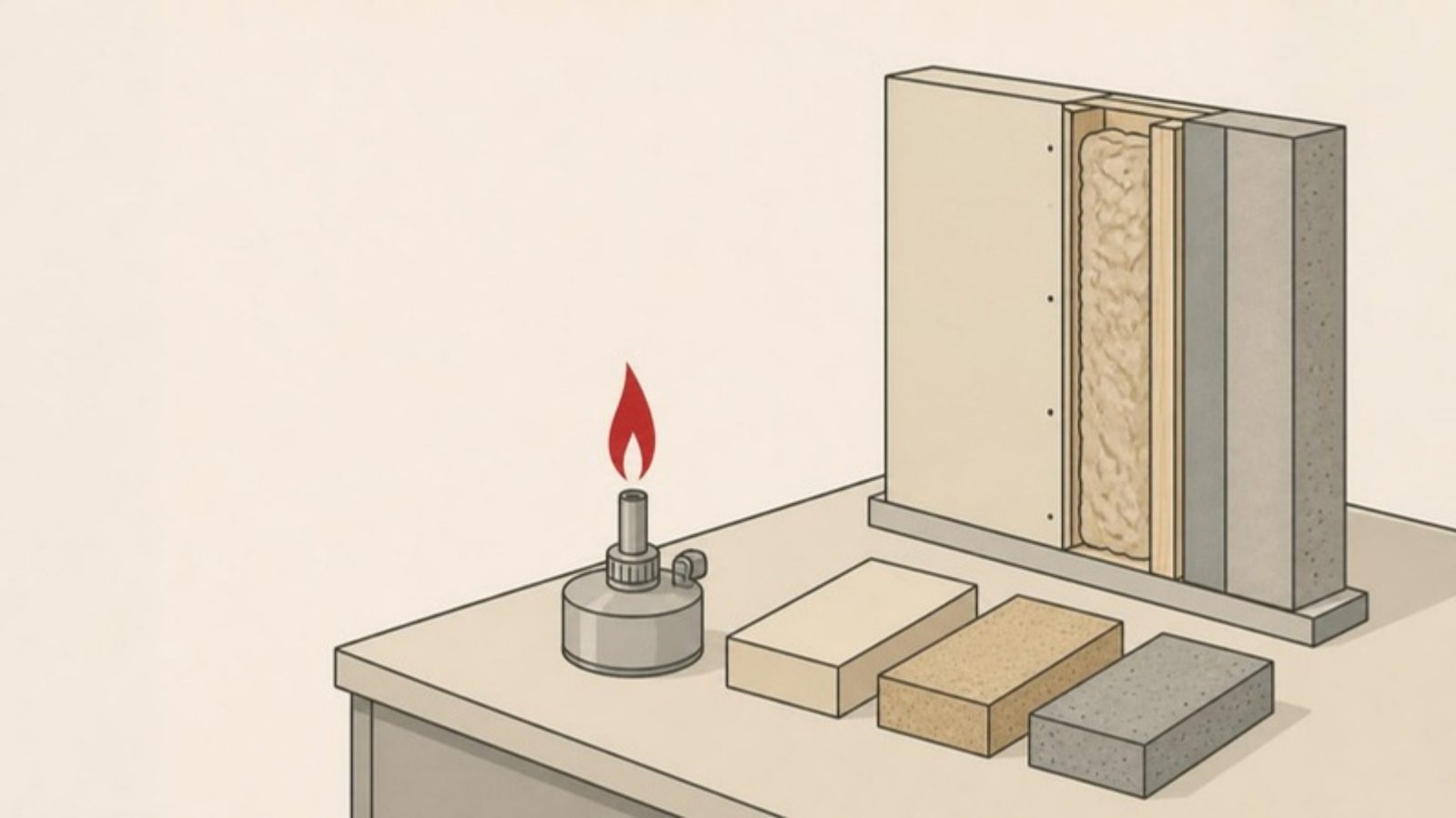
A small red flame from a burner on a bench beside three material sample blocks, with a section of a wall assembly standing behind them.
In short

These three terms answer different questions. Reaction to fire describes how much a *material* contributes to a fire starting and spreading in its early stage. Non-combustible is the level at which a material contributes almost no fuel in a standard test. Fire resistance describes how long a *complete wall, floor, door or opening seal* holds back fire in a test. A fire-resistance rating therefore belongs to a tested system, not to any single insulation slab — and none of the three is a "service temperature".

Comparison: reaction to fire tests how a material itself behaves in fire; fire resistance tests how long a complete wall or system keeps fire backReaction to fire 12Fire resistance 34 Comparison: reaction to fire tests how a material itself behaves in fire; fire resistance tests how long a complete wall or system keeps fire backReaction to fire 12Fire resistance 34
  1. 1Tests the material itself: how easily it ignites, how far flame spreads, smoke and burning droplets — then classifies it, for example under EN 13501-1. 'Non-combustible' is a result of this kind of test
  2. 2Smoke and droplets are part of the classification
  3. 3Tests the complete wall, floor or fire-stopping system on a furnace, built as it will be installed
  4. 4The result is how long it keeps meeting the criteria (for example 60 or 120 minutes) — it belongs to that system, not to one material

Comparison table

Reaction to fireNon-combustibleFire resistance
------------
Question answeredDoes the material ignite easily, spread flame over its surface, give off much smoke?Is the material fuel at all?How long does a building element hold back fire?
What is testedMaterial or product (including facings)MaterialComplete system, e.g. wall, floor, door, fire-stopping seal
Result reportedClass such as A1, A2, B…F, or a flame-spread indexPass / fail, or class A1Time in minutes, e.g. 60, 120, against set criteria
Example standard namesEN 13501-1, BS 476 Part 6 / Part 7, ASTM E84EN ISO 1182, BS 476 Part 4ISO 834, ASTM E119, BS 476 Parts 20–22, EN 13501-2
Interchangeable?NoNoNo

Reaction to fire

This looks at how far a material contributes to the start and early spread of a fire: whether it ignites easily, how much heat it releases, how fast flame spreads over its surface and whether it produces smoke or flaming droplets.

  • EN 13501-1 (Europe) classifies A1, A2, B, C, D, E, F, with sub-classes for smoke (s) and flaming droplets (d)
  • ASTM E84 (USA) reports a Flame Spread Index and Smoke Developed Index; for example, the SCG PCI documents report results to ASTM E84
  • BS 476 Part 6 / Part 7 (UK) test fire propagation and surface spread of flame

Facings such as foil or fabric affect the result; check the result for the faced product itself.

Non-combustible

This is the top level of reaction to fire. A material sample is placed in a hot furnace and checked for temperature rise, mass loss and flaming beyond set limits.

  • EN ISO 1182 is the main test for class A1 and is used with other tests for A2
  • BS 476 Part 4 is the British non-combustibility test for materials

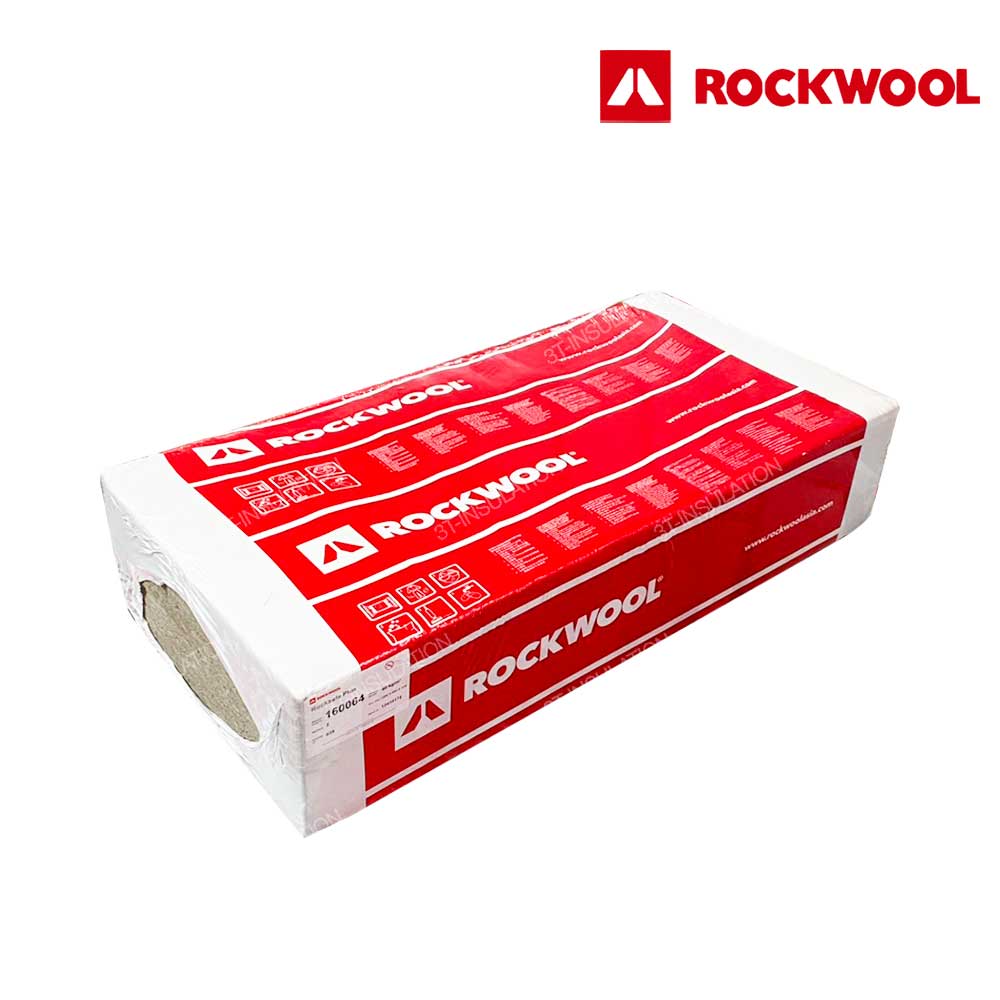
Many stone-wool products reach this level. For example, ROCKWOOL ProRox WM states A1 to EN 13501-1, and ROCKWOOL Rocksafe Plus states non-combustible to BS 476 Part 4 — but "non-combustible" still does not tell you how many minutes a wall or opening will hold back fire.

Fire resistance

A complete building element is tested in a large furnace heated along a standard time-temperature curve (such as ISO 834 or ASTM E119) to see how long it meets the criteria. The main criteria in EN 13501-2 are:

  • R — load-bearing capacity: the structure does not collapse or deflect beyond limits
  • E — integrity: no flames or hot gases pass through to the other side
  • I — insulation: the temperature on the unexposed side stays within limits

Results are given as time, e.g. EI 120 means the E and I criteria were met for 120 minutes in the test. The result applies only to the configuration tested — thickness, density, compression, fixing, surrounding construction and opening size all matter.

Example: ROCKWOOL reports a fire-resistance result to BS 476 Part 20 for a tested installation of Rocksafe Plus; it is not a property of the stone-wool slab alone. See stone wool in passive fire protection.

Don't conclude this

  • "This insulation is non-combustible, so it gives 2 hours' fire resistance" — wrong: non-combustibility is a material property; fire-resistance time belongs to a tested system
  • "Stone wool melts above 1,000 °C, so it can be used on a 1,000 °C pipe" — wrong; see service temperature
  • "It passed ASTM E84, so it is a fire-rated material" — ASTM E84 is a surface flame-spread test, not a fire-resistance rating
  • "Fireproof" or "fire-resistant" in advertising can mean different things; always ask which standard it was tested to, and on which product or system

How to use this

  • Ask the seller whether a quoted figure is a material result or a system result, and ask for the test report or classification report
  • Fire requirements for a building depend on building-control law, building type and the local authority; they should be set by the designer or a fire-safety engineer
  • Fire-rated systems must be installed to the tested details by qualified installers
  • Several BS 476 parts are being replaced by EN standards in the UK; older documents may still cite BS 476

Sources

  • EN 13501-1 — Fire classification of construction products and building elements: reaction to fire tests
  • EN 13501-2 — Fire classification: fire resistance tests (R / E / I criteria)
  • EN ISO 1182 — Reaction to fire tests for products: Non-combustibility test
  • BS 476 Parts 4, 6, 7, 20, 21, 22 — Fire tests on building materials and structures
  • BSI — The changing status of the BS 476 standard series
  • ISO 834 and ASTM E119 — Fire resistance tests (standard time-temperature curve)
  • ASTM E84 — Surface Burning Characteristics of Building Materials
  • Scottish Government — Building standards technical handbook, Annex 2.E Reaction to fire
  • ROCKWOOL Asia — Fire resistance (Fire resilience)
  • ROCKWOOL — Rocksafe Plus Data Sheet; ProRox WM Product Data Sheets
  • SCG — SCG Insulation for Industrial : Pipe (PCI) catalogue

Related products

Categories and example products for this topic

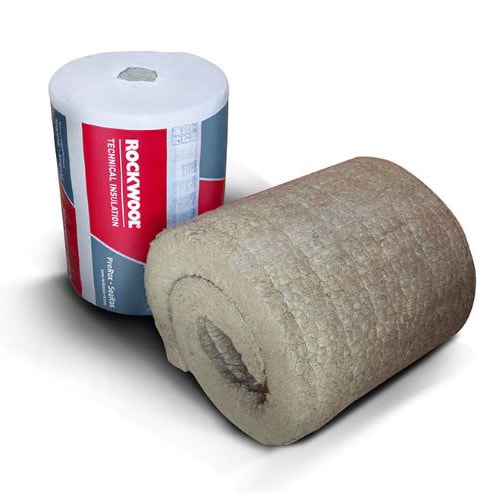
  • ROCKWOOL Rocksafe Plus — The material is non-combustible; the fire result belongs to the tested installation
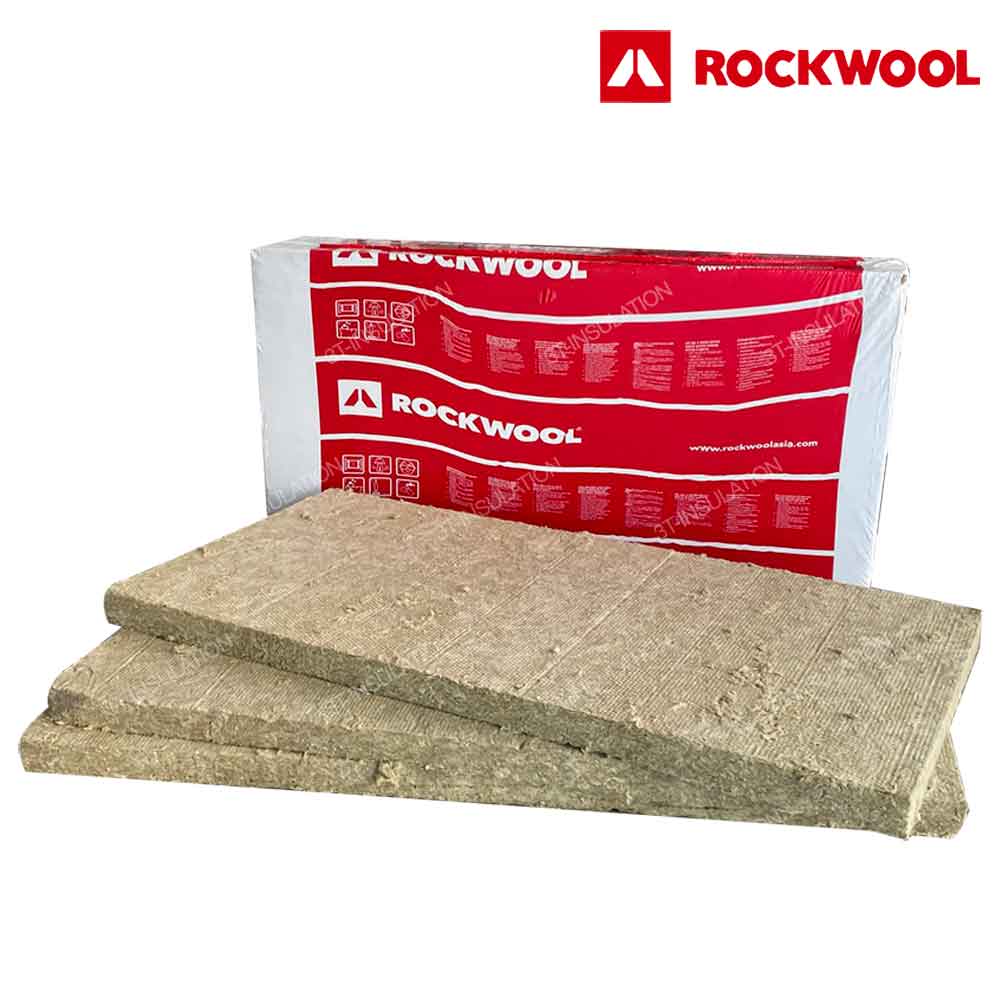
  • ROCKWOOL ProRox WM — Example of a material's reaction-to-fire class: Euroclass A1 to EN 13501-1
  • SCG PCI / PCIF — Example of a flame-spread / smoke-developed result for a material: FS < 25 · SD < 50
  • ROCKWOOL Conlit H110 — Stone wool for fire-protection systems; fire resistance belongs to the tested system

Related knowledge