Pipe insulation · Elastomeric foam
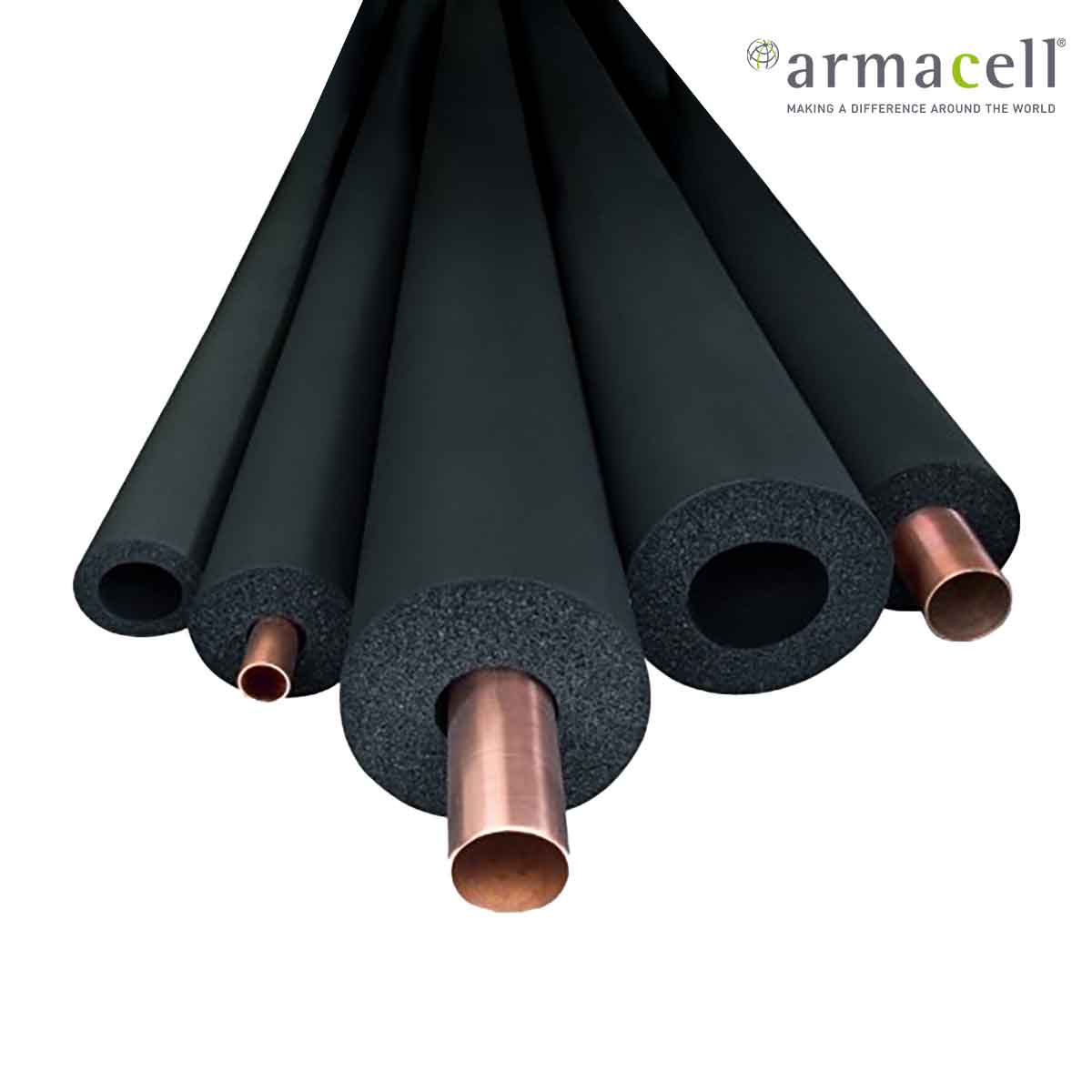
Armacell ArmaFlex Class 1 Tube
- Tube bore
- 6–168 mm
- Wall thickness
- 6–50 mm
- Service temp.
- -50 – 105 °C
Sound coming in or going out (sound insulation)
Echoey rooms (sound absorption)
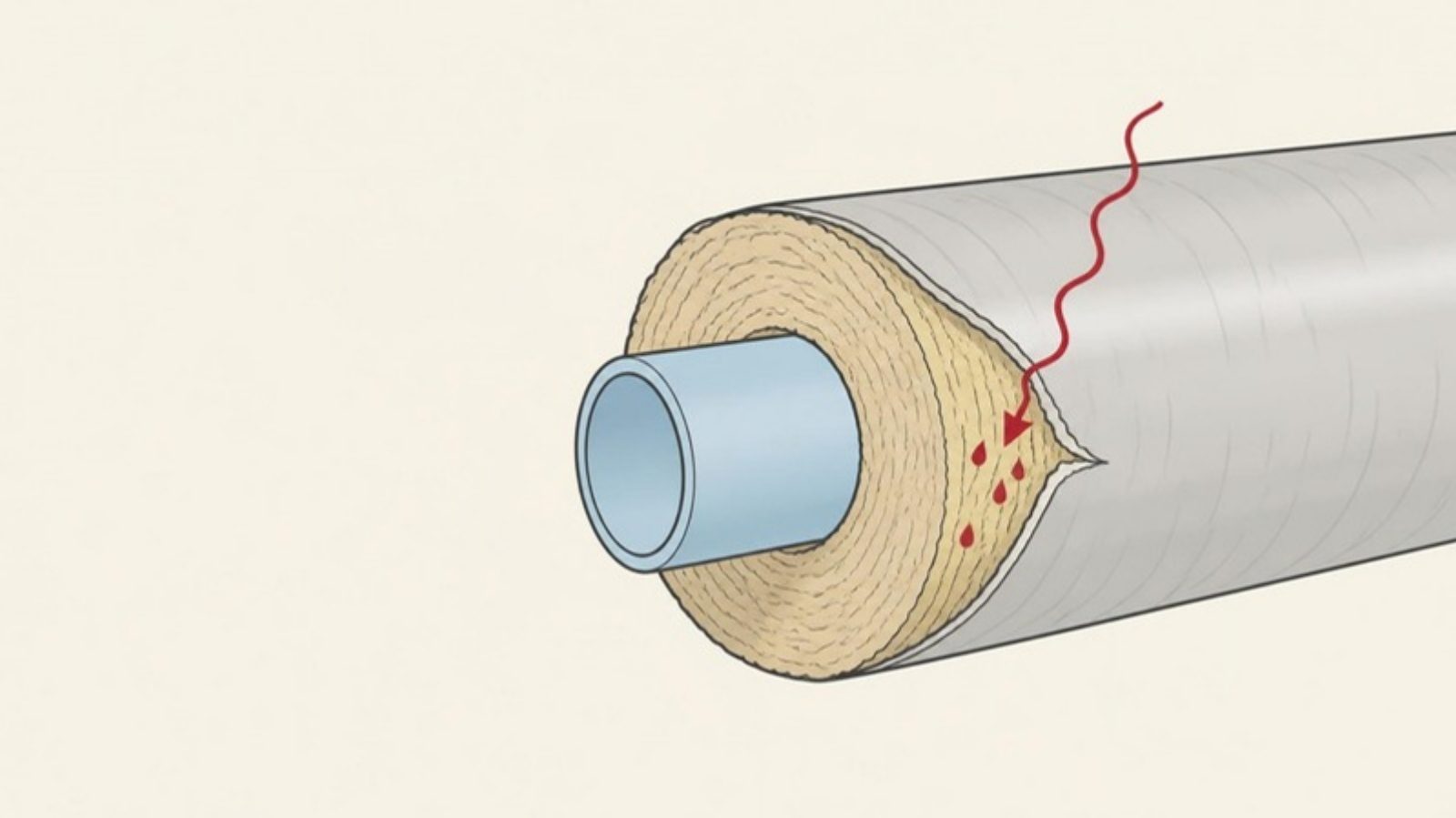
A vapour retarder (often simply called a vapour barrier) is a material or facing layer that reduces the passage of water vapour. On cold pipes and ducts it stops vapour from the hot, humid air diffusing through to the cold surface and condensing inside the insulation. Its performance depends on continuity — an unsealed joint, tear or puncture lets vapour in, however good the material itself is.
Technically a retarder "slows" vapour, while barrier is usually used for materials that let very little through. In practice the two words are used interchangeably. Some building documents (for example US building codes) grade them by vapour permeance, but those grades are for building envelopes. For pipe and duct insulation, go by the values the manufacturer states and the project's requirements.
Manufacturers may use different units and test methods, so do not compare figures in different units directly.
| Closed-cell elastomeric | Fibrous (glass/stone wool) | |
|---|---|---|
| --- | --- | --- |
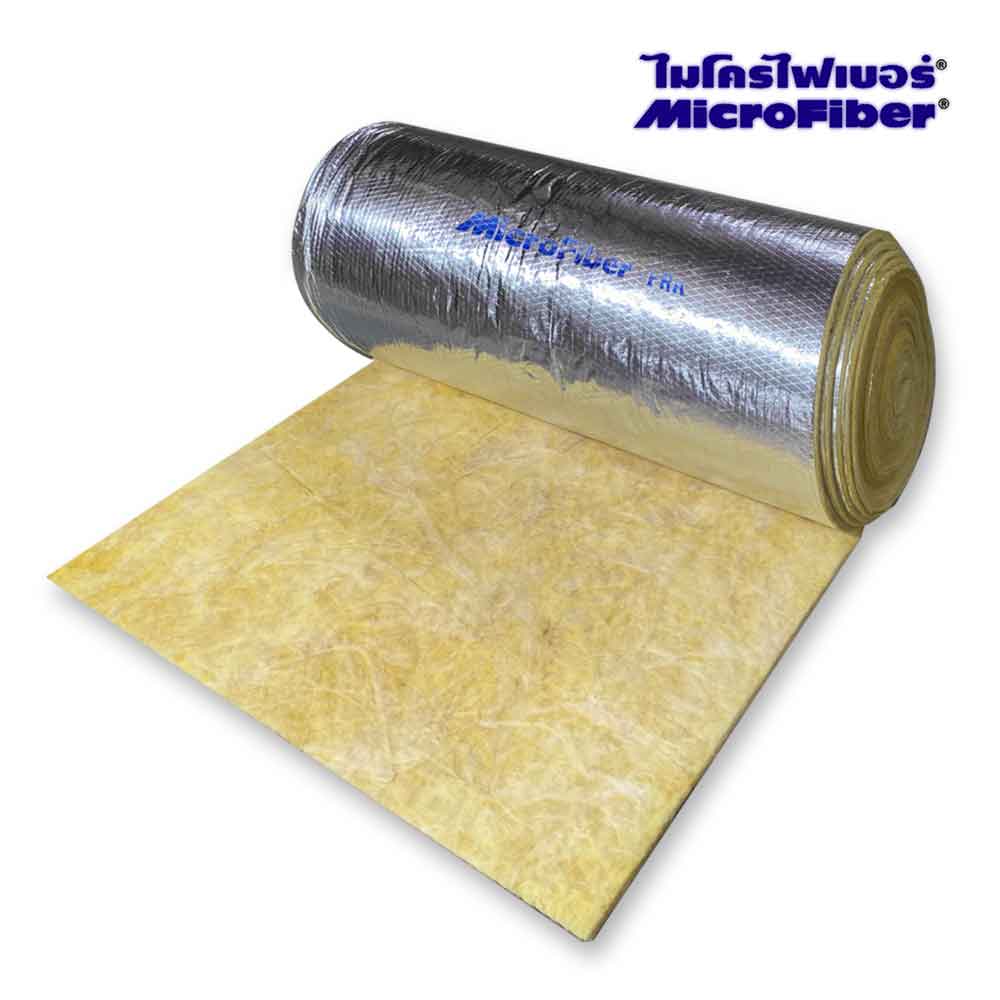
| Where vapour resistance comes from | The material itself, which has high vapour resistance | The facing, e.g. foil-scrim-kraft (FRK) or a vapour-retarder jacket, because vapour passes easily through the fibres |
| Weak points | Slit seams and butt joints — glue them as the maker instructs | Every joint, tear, puncture and pin point must be taped to stay continuous |
| Examples | AEROFLEX, Armaflex Class 1, MAXFLEX FR | Micro Duct Wrap FRK, SCG PCI (on cold pipes it needs a vapour-retarding jacket as designed) |
More in Closed-cell vs fibrous insulation.
A cold pipe constantly draws water vapour towards itself, because the vapour pressure on the hot, humid side is higher than at the cold pipe surface. If the vapour-retarding layer has even one opening, vapour enters there, condenses inside, the insulation gets wet and loses performance, and the damage can spread along the pipe unseen from outside.
Points that must be sealed continuously:
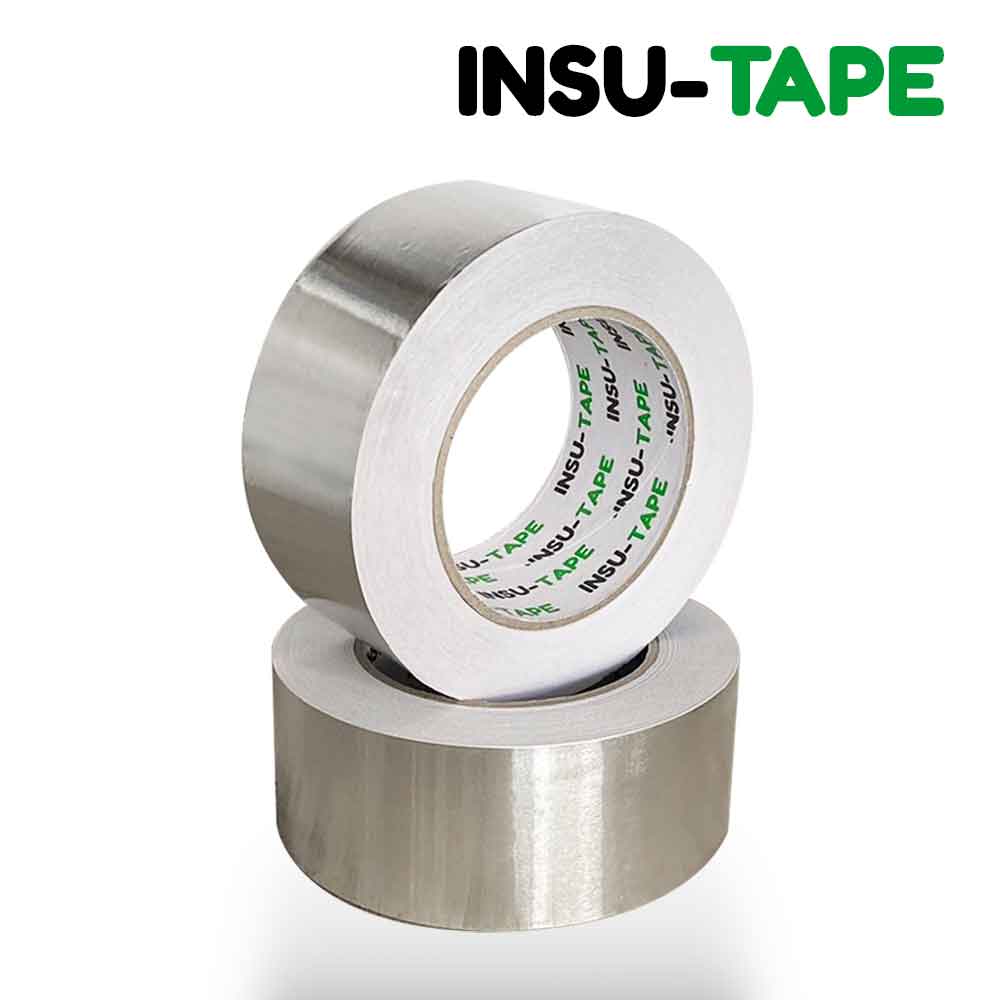
Use the tape or adhesive the maker recommends for that material, e.g. aluminium foil tape for foil facings. More methods in Sealing insulation joints.
Bare fibrous insulation on a cold pipe readily lets vapour in to condense inside. If fibrous insulation is used for cold service, it needs a facing or vapour-retarder jacket designed for that job.
Categories and example products for this topic
Pipe insulation · Elastomeric foam
Duct and HVAC insulation · Glass wool
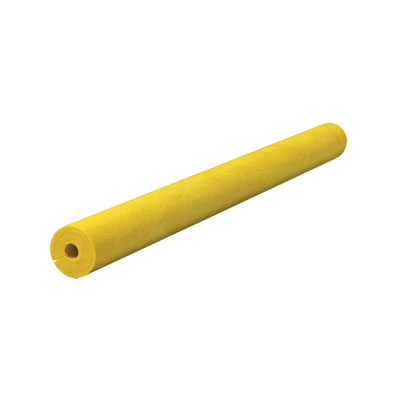
Pipe insulation · Glass wool
Installation accessories · Tape
Check the message below, then press “Open LINE”. On a phone LINE opens with this message; on a computer LINE shows a QR code to scan with your phone. If LINE does not open, copy the message into the chat, or call us.
Add us on LINE: @x2525 · Call 062-195-1909