Sound insulation · Stone wool
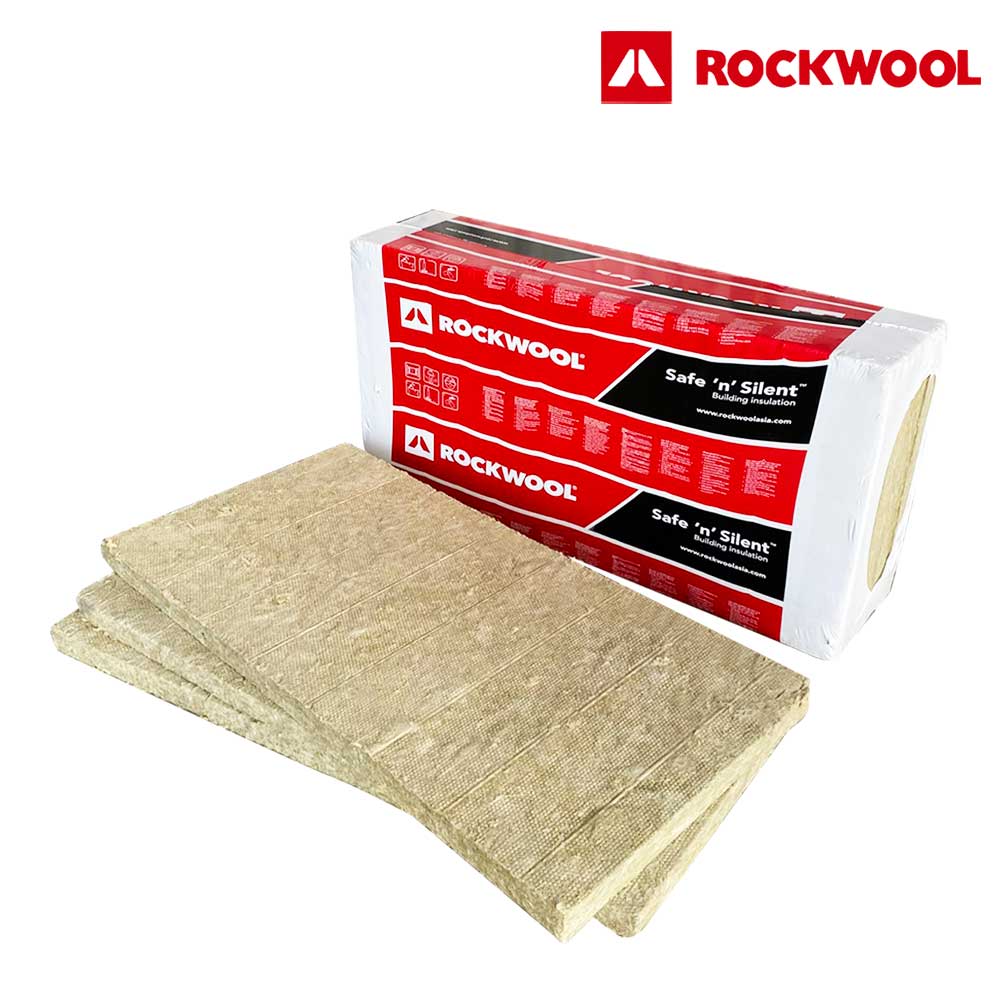
ROCKWOOL Safe 'n' Silent Pro
- Thickness
- 25–100 mm
- Density
- 40–100 kg/m³
- Sound absorption (NRC)
- 0.90–1.00
Sound coming in or going out (sound insulation)
Echoey rooms (sound absorption)
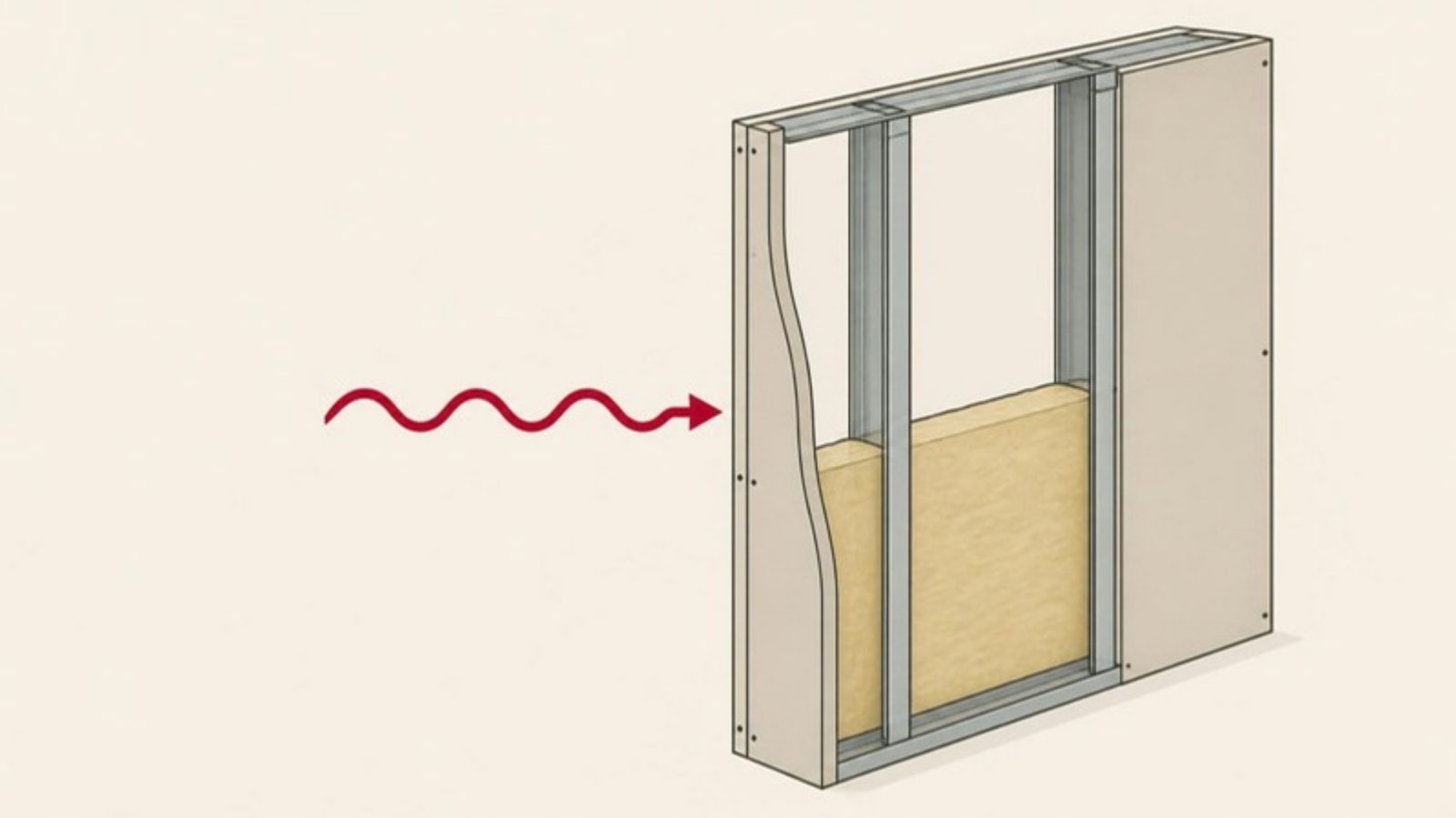
Start from the goal: reducing heat through an external wall, or reducing sound through a wall between rooms. Then look at the wall type: a framed drywall partition has a cavity for insulation boards, while a brick or block wall usually needs an extra framed lining to make room for insulation. Then check moisture and fire requirements. Sound insulation is a result of the whole wall system, not of the insulation alone.
| Goal | Walls usually involved | Value to compare |
|---|---|---|
| --- | --- | --- |
| Less heat entering the room | Sun-facing external walls, walls of air-conditioned rooms | Insulation R-value at the real thickness, and the whole wall's U-value |
| Less sound passing between rooms | Bedroom, meeting-room and plant-room partitions, walls between units | STC / Rw of a tested wall system |
| Both | External walls facing a road, plant rooms next to air-conditioned rooms | Check both |
If the house is hot mainly because of heat from the roof, wall insulation may not be the first step. See Hot house and How heat enters buildings. If the problem is echo rather than sound through the wall, see Room echo.
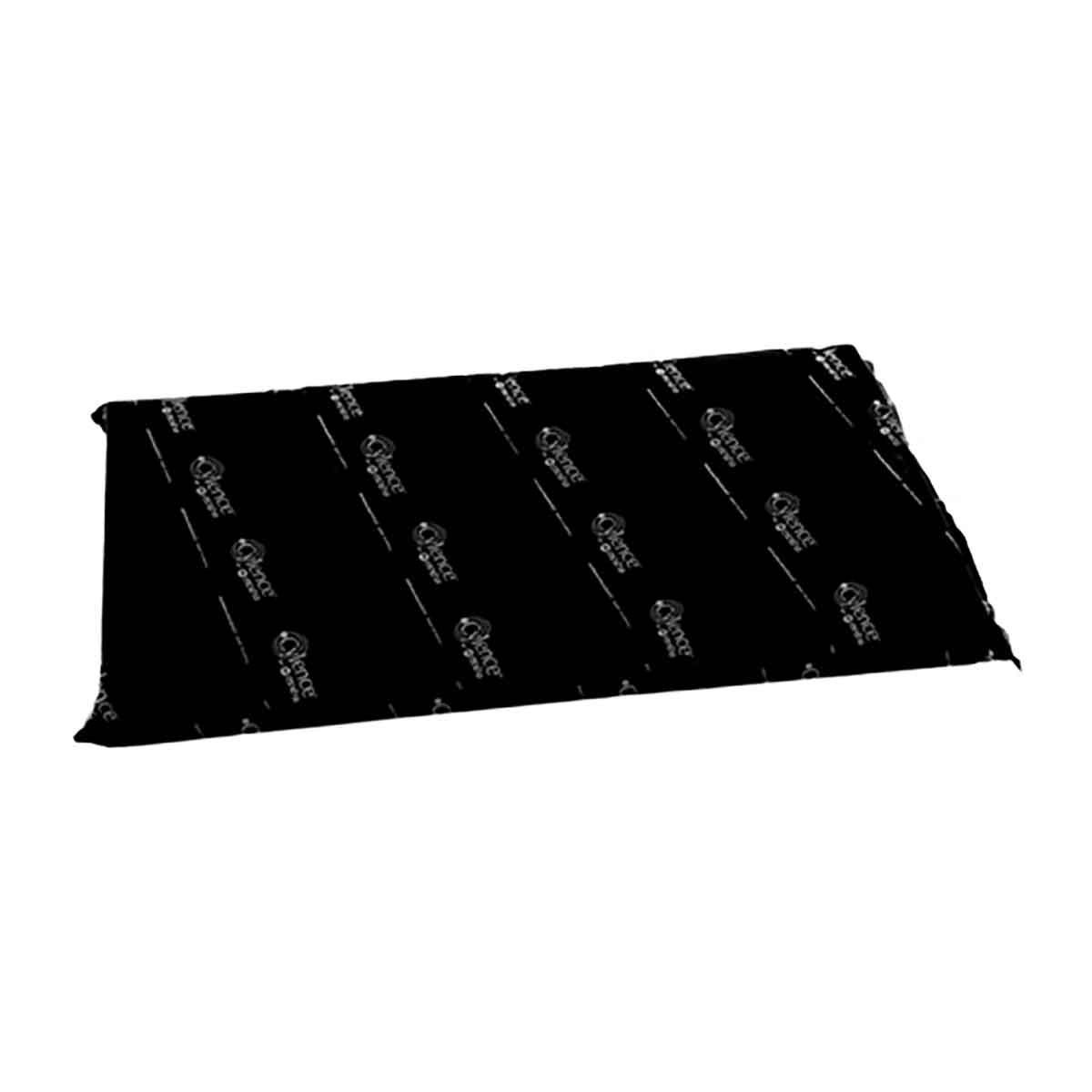
Gypsum or fibre-cement boards on steel or timber studs already have a cavity, so stone wool or glass wool boards fit in easily — for example ROCKWOOL Safe 'n' Silent Pro or SCG Cylence ZoundBlock. Fill the cavity completely, without gaps, following the manufacturer's guide. See Installing insulation in drywall.
A solid masonry wall has no cavity for insulation. The usual option is to add a framed lining or second leaf and put insulation inside it, which takes up some room space. For sound insulation, the result depends on isolating the new layer from the existing wall, the cavity depth and sealing of gaps; details should be set by a designer or specialist.
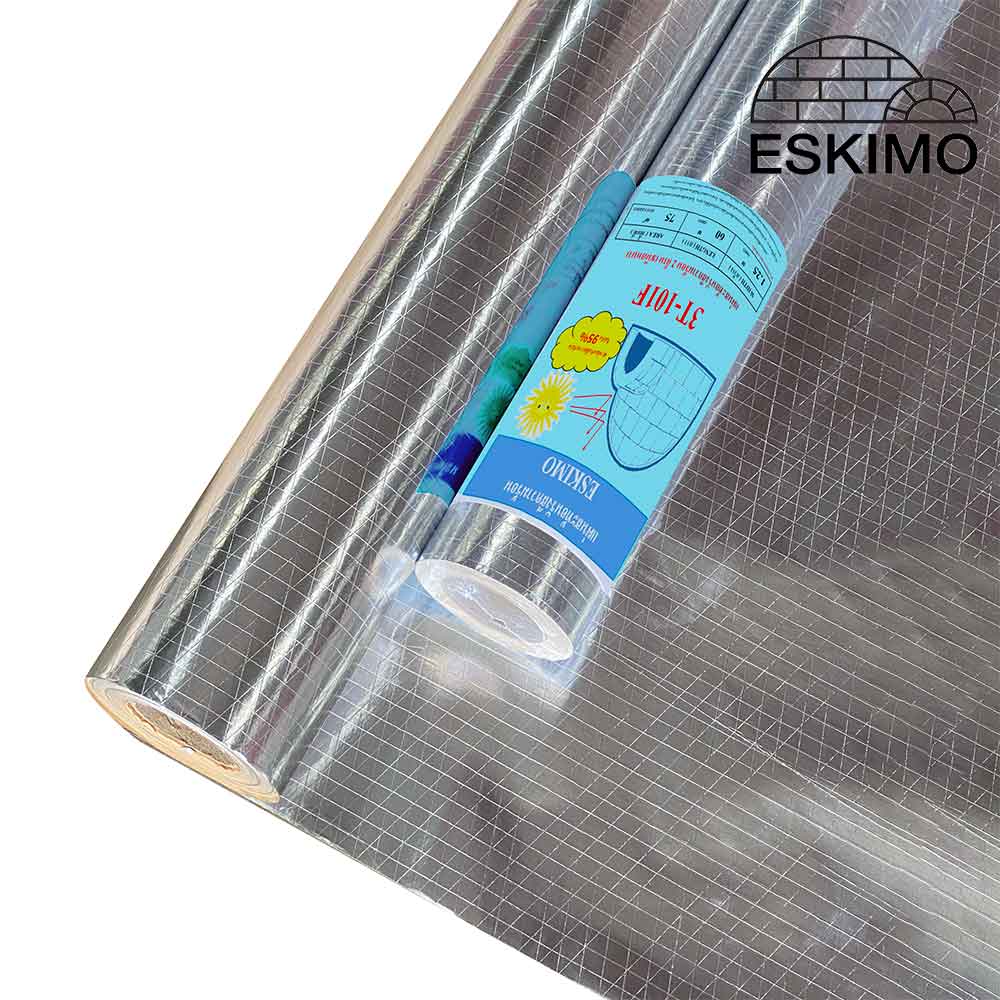
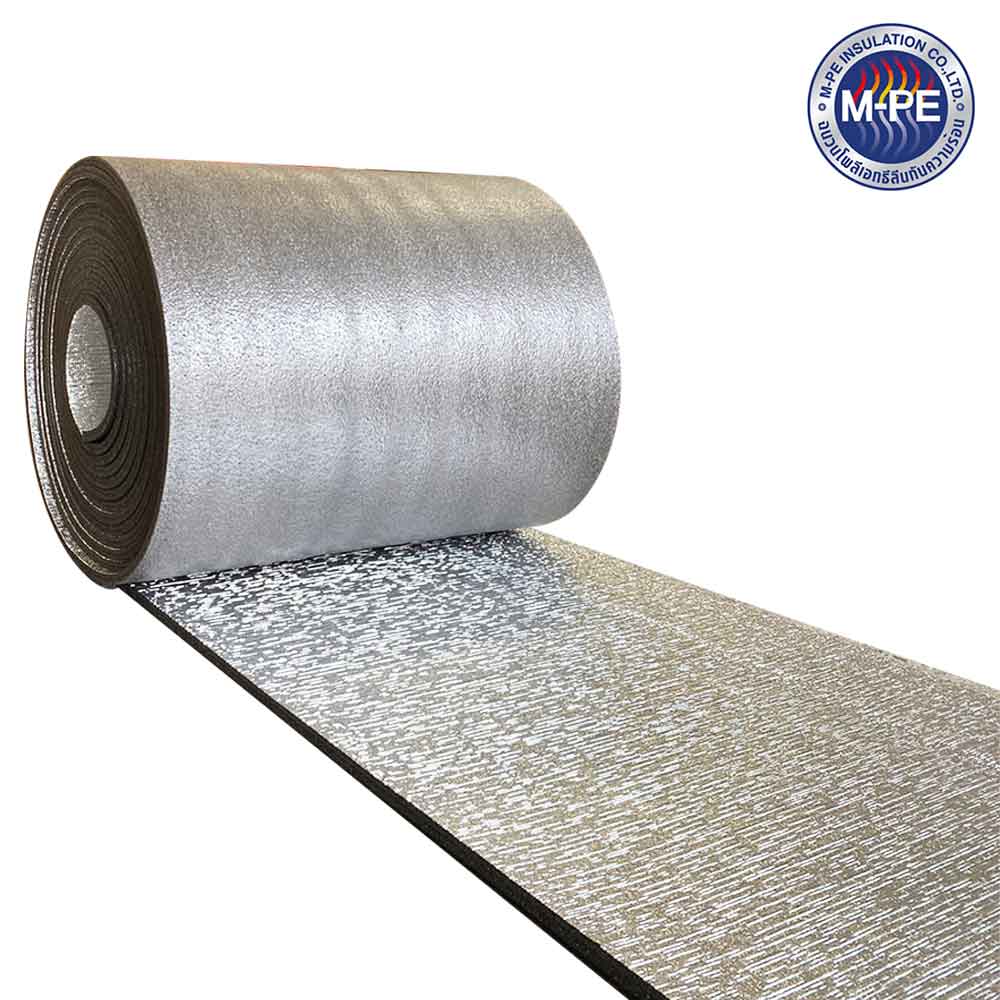
Reflective foil such as Eskimo Foil 101F, or PE foam with a metalised film such as M-PE Standard, can be used in wall cavities where the manufacturer says so. A reflective surface only works with an air space in front of it. See Reflective foil.
Cavity insulation absorbs sound bouncing inside the cavity, but a wall's sound insulation comes from several parts together:
Use the STC / Rw of a wall system the manufacturer has tested and fully described, and build to those details. Read more in How cavity insulation helps sound insulation and STC / Rw.
See solutions: Neighbour noise · Machine noise · Hot house
Categories and example products for this topic
Sound insulation · Stone wool
Sound insulation · Glass wool
Building thermal insulation · PE foam
Check the message below, then press “Open LINE”. On a phone LINE opens with this message; on a computer LINE shows a QR code to scan with your phone. If LINE does not open, copy the message into the chat, or call us.
Add us on LINE: @x2525 · Call 062-195-1909