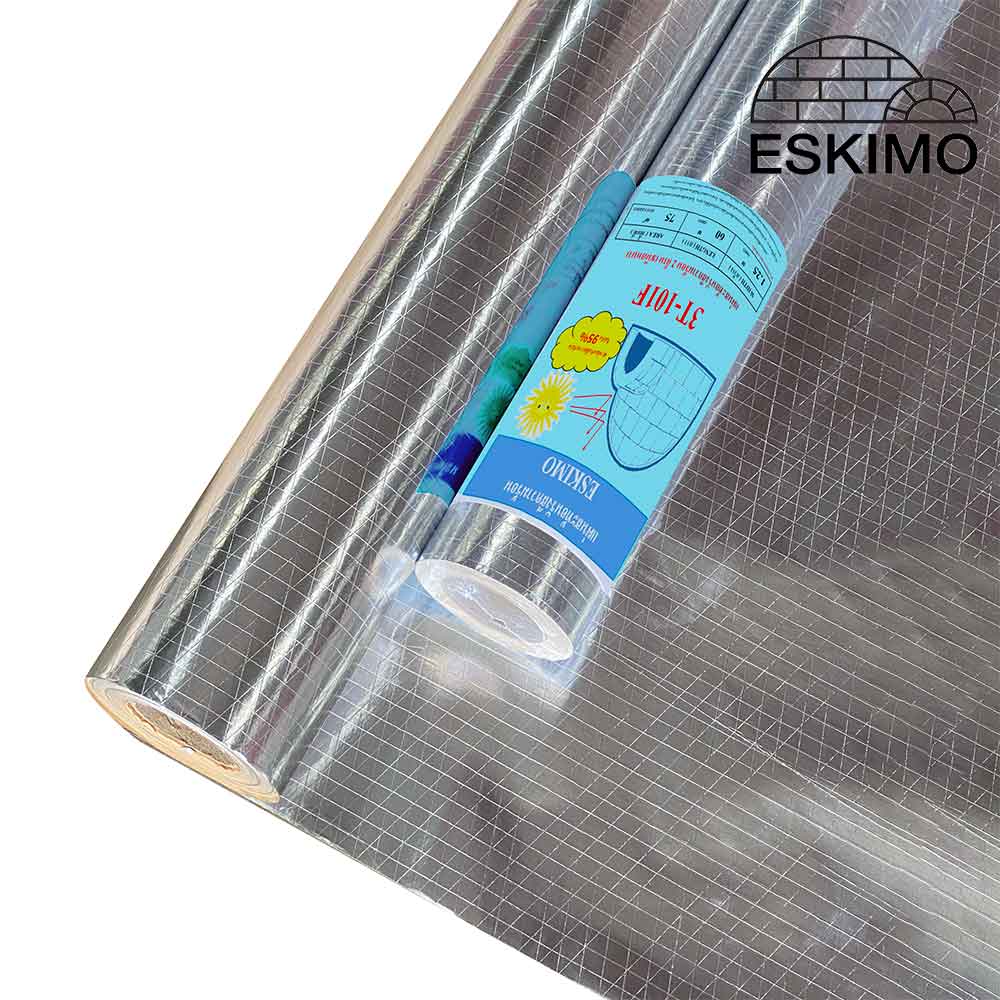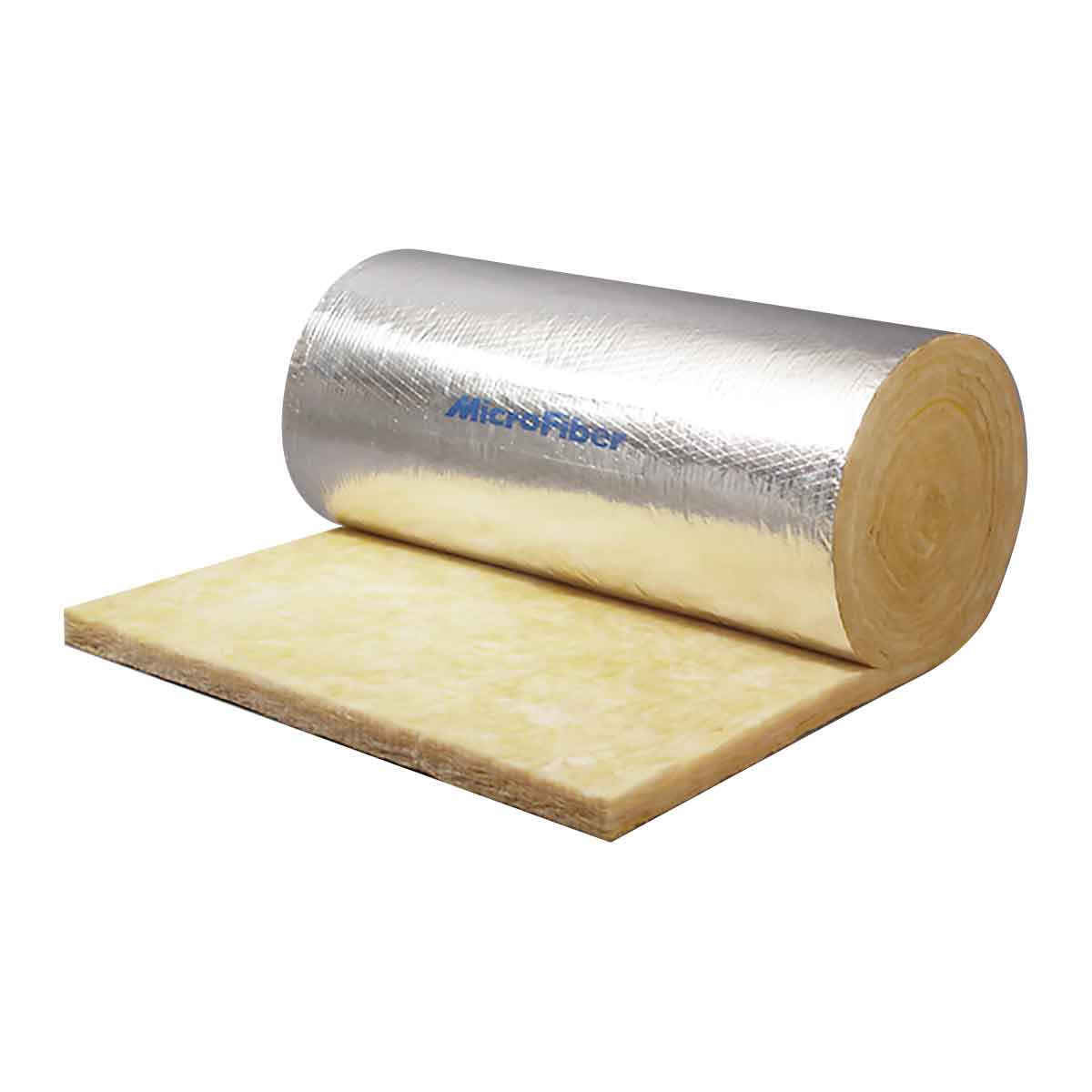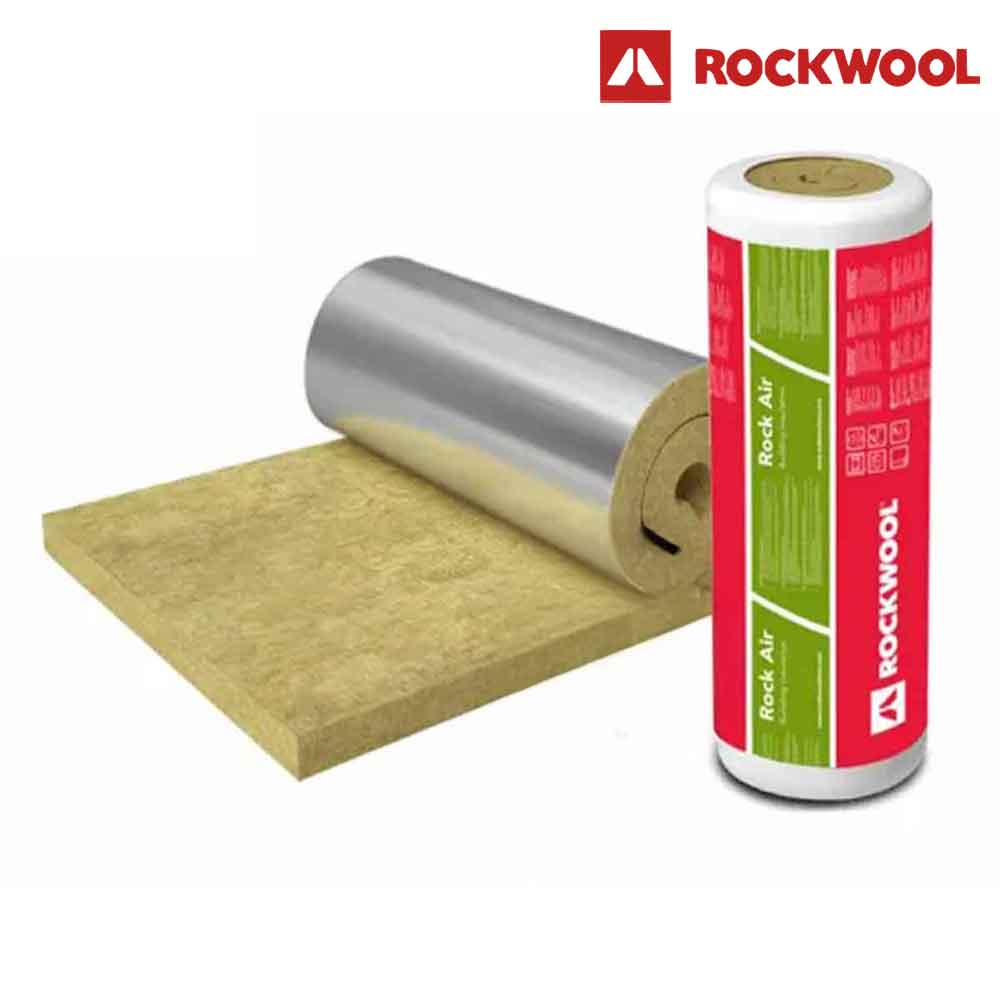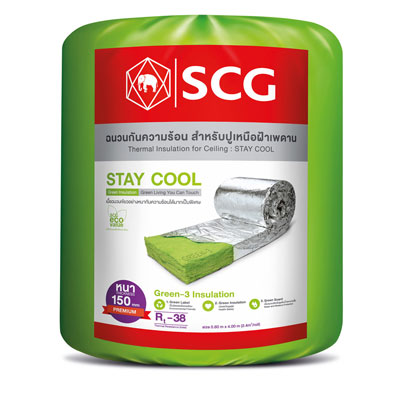
Building thermal insulation · Glass wool
SCG STAY COOL
- Thickness
- 75–150 mm
- Thermal resistance (R)
- 1.79 m²·K/W (75 mm)
Sound coming in or going out (sound insulation)
Echoey rooms (sound absorption)
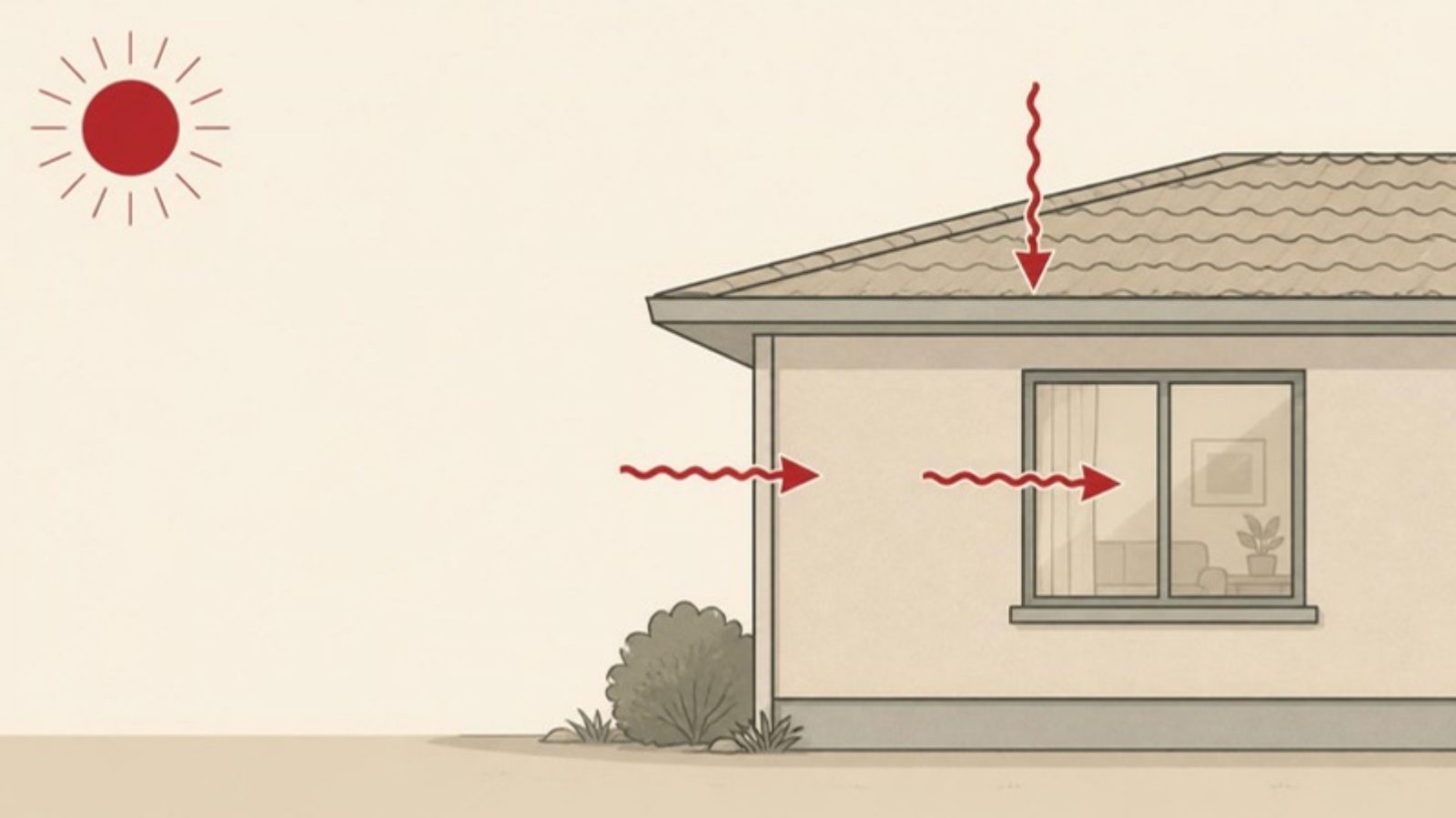
Heat enters a building in three ways: conduction through materials, convection carried by moving air, and radiation from a hot surface to a cooler one. In a house under strong sun the main paths are the roof, sun-facing walls, windows and air leaks. Each type of insulation reduces heat in a different way, so find out where the heat comes in first.
Insulation in the wrong place can leave a house as hot as before. You might insulate the ceiling well, but if a room has a large window facing the afternoon sun, most of that room's heat still comes in through the glass. Knowing which part of the building lets the heat in lets you spend where it actually helps.
| Mode | How it happens | Example in a house |
|---|---|---|
| --- | --- | --- |
| Conduction | Heat passes through a material, from the hot side to the cooler side | A sun-heated roof sheet passes heat through to its underside; a sunlit wall passes heat into the room |
| Convection | Warm air moves and carries heat with it | Hot air rises and collects under the roof; hot outside air leaks in around doors and windows |
| Radiation | A hot surface emits heat energy across a gap to a cooler surface, without touching it | The hot underside of the roof radiates heat down onto the ceiling; sun through glass heats floors and furniture |
In a real house all three happen at once. Take the roof: the sun heats the roof surface, heat is conducted through the sheet, its hot underside radiates down to the ceiling, hot air in the roof space convects heat onto the ceiling, and the warmer ceiling then passes the heat into the room.
The roof takes sun for most of the day, so the roof space can get very hot, and heat passes through the ceiling into the top-floor rooms. This is where most people start insulating, under the roof and on the ceiling. Read how to choose roof insulation and how to insulate a ceiling properly.
A wall in direct sun heats up and passes heat through into the room. Walls facing the afternoon sun are usually the ones you notice. Heat can be reduced both by shading the outside and by insulating the wall.
Windows gain heat in several ways: sunlight passes through the glass and turns into heat when room surfaces absorb it, heat is conducted through the glass and frame, and air leaks through the joints. Roof or wall insulation does nothing for this part; it needs other measures, such as shading or choosing windows by their SHGC (the share of solar heat let through) and U-factor.
Gaps around doors, windows, pipes and cables through walls or ceilings let hot air from outside or from the roof space flow in. They also reduce the performance of the insulation you have installed.
Insulation reduces heat only over the area where it is installed. Gaps between pieces, areas left bare, windows and air leaks are still ways in for heat, so the result for the whole room depends on all the paths together.
If your problem is a hot house and you are not sure where to start, see Hot house / hot roof.
Categories and example products for this topic
Building thermal insulation · Glass wool
Building thermal insulation · Glass wool
Building thermal insulation · Stone wool
Check the message below, then press “Open LINE”. On a phone LINE opens with this message; on a computer LINE shows a QR code to scan with your phone. If LINE does not open, copy the message into the chat, or call us.
Add us on LINE: @x2525 · Call 062-195-1909