How do I keep outside noise (road, expressway, aircraft) out of a bedroom?
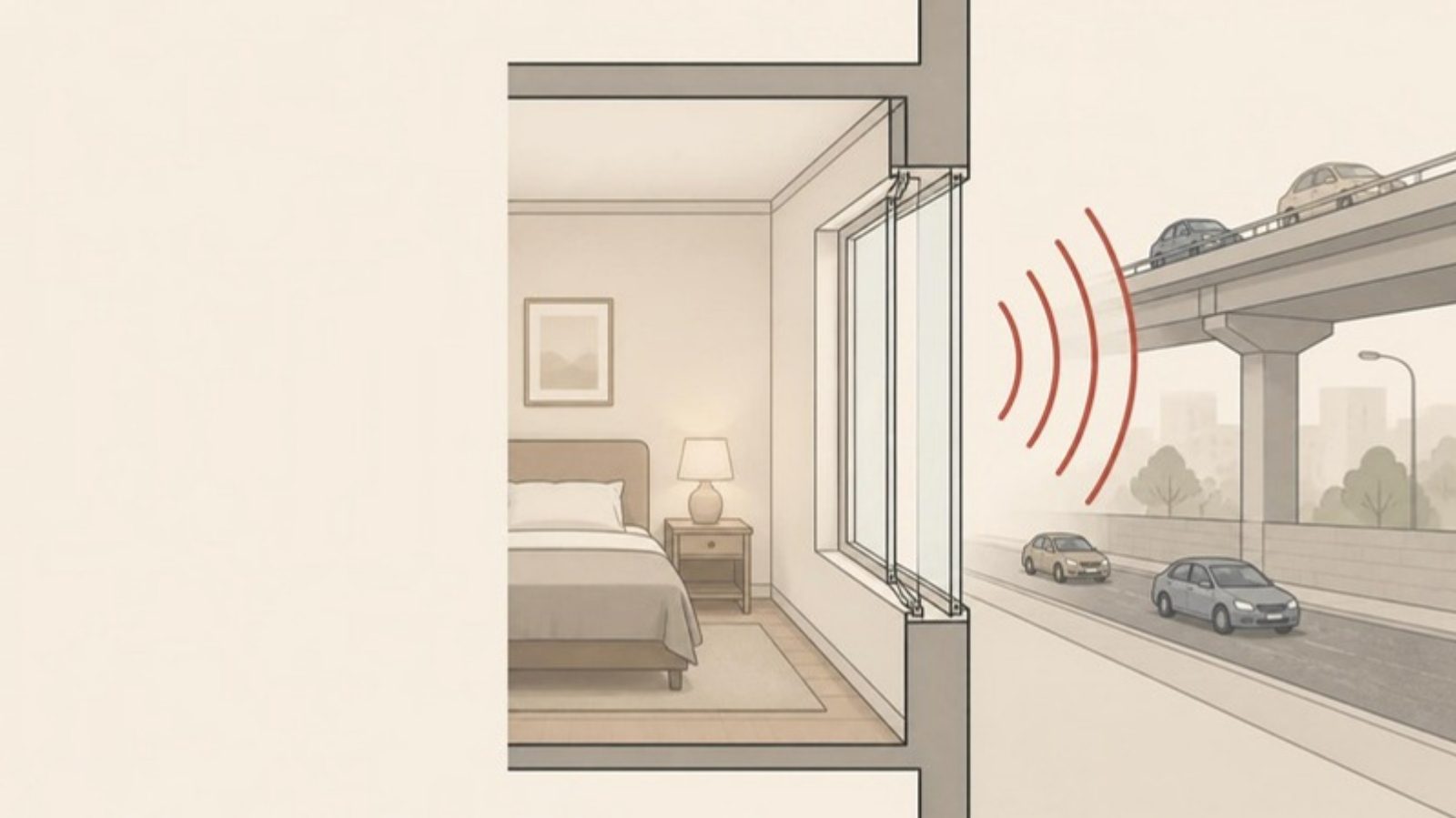
Most outside noise enters a room through its weakest points: windows, doors and air leaks around frames or air-conditioning openings. Fix these first — seal the leaks, add a second window or door with an air space between, or close off a window you don't need with an insulated drywall layer. For very loud sources such as aircraft or heavy trucks, walls and the ceiling or roof also need attention. Sound-absorbing panels inside the room do not block outside noise.
Why outside noise gets in so easily
Sound reaches the room by several paths at once: through the glass, the door leaf, the walls, the roof and ceiling, and through every leak that air can pass. What you hear inside is the sum of all of them, so the weakest path sets the result. A thick masonry wall does not help much if a sliding window does not close tightly.
In our site experience, bedrooms with road or aircraft noise problems tend to share the same features:
- Sliding windows with gaps around the sashes that still let air through when closed
- A door to the outside or a balcony directly in the bedroom
- Openings around AC pipes and vents that are not properly sealed
- A single-layer ceiling under a tiled roof, whose joints let sound through, with several downlight holes cut into it
Which noise is hardest to block?
Road traffic, trucks, trains and aircraft produce a lot of low-frequency sound (rumble and drone). Low frequencies pass through glass and lightweight walls more easily than high-pitched sound and are harder to stop, because they need more mass and wider air spaces.
For this reason there is a separate rating for outdoor noise: OITC (Outdoor-Indoor Transmission Class) under ASTM E1332. It is based on a transportation noise spectrum (aircraft take-off, road traffic and diesel locomotive) and covers lower frequencies than the usual STC. If a window or wall system maker publishes both STC and OITC, OITC is closer to how it will perform against traffic or aircraft noise. STC and OITC belong to the tested element or system, never to a single material. More in What are STC and Rw.
Sound insulation reduces outside noise so it is less disturbing, but it will rarely make a room silent — especially the low rumble of aircraft or heavy vehicles. The result depends on how loud it is outside, the existing room and all the work done together.
What to fix first
It usually pays to start with the weakest point:
- Seal leaks — frame edges, sliding-window tracks, AC pipe holes, cable openings, the gap under the door. Use seals that close tightly and flexible sealant
- Windows and doors — add a second layer or change to acoustic units (details below)
- Walls — the wall facing the road or source; consider an extra lightweight wall layer on the inside
- Ceiling and roof — very important for aircraft noise and for top-floor rooms with an open roof space above
If walls or ceilings are upgraded first while the window still leaks, the improvement often feels small because the sound still comes through the window.
Windows: usually the weakest point
A second window with a wide air space
National Research Council Canada (NRC) research explains that double glazing with a narrow air space (such as some sealed insulating units) insulates only slightly better than a single pane, because the air in the gap acts like a spring passing vibration from one pane to the other — and this weak spot falls in the frequency range where traffic and aircraft noise is strong. Widening the air space improves sound insulation noticeably.
In practice, a common approach is to install a second acoustic window on the inside while keeping the existing one, leaving a wide air space between them. It avoids removing the old window, which can damage the wall, and suits condominiums or buildings where the outer windows may not be changed.
Choosing an acoustic window
- Tight closing — casement-type sashes that press onto seals around the frame usually close more tightly than sliders. Even well-sealed openable windows insulate less than an equivalent fixed window
- Glass — thicker, heavier glass helps, but the glass's own stiffness limits the gain. Laminated glass reduces the weak spot at higher frequencies but does not directly solve low-frequency rumble
- Frame and installation — very light frames can become a sound path, and the joint between frame and wall must be sealed after installation
- Size — the larger the window, the more sound comes in; use only the size needed for light and use
Ask the maker for the STC or OITC of that complete window model, not just the glass thickness.
If you never use the window
If a window or door is not needed for light or access, closing it off with a lightweight wall usually insulates better than adding a second acoustic window, and costs less. A typical method:
- Close the window opening with one layer of gypsum board first
- Build a lightweight stud wall on the inside
- Fill the cavity completely with glass wool or stone wool
- Board it as the wall system specifies (often multiple layers of gypsum board), finish the joints on every layer and seal the whole perimeter
The drawback is losing daylight and ventilation through that window. If you still want light, build the extra wall and leave an opening for a small acoustic window, only as large as needed.
Keep an escape route
Before closing a window permanently, check that the room still has adequate exits and ventilation and meets building or condominium rules. Removing or relocating air-conditioning units should be done by qualified technicians.
Doors to the outside
A sliding balcony door or a door opening outside is a weak point just like a window. A common fix is adding a second acoustic door on the inside, while still being able to open the original door. Acoustic doors need seals all round and at the bottom edge; see Soundproof doors. When building a new house, placing outside doors outside the bedroom helps a lot.
Walls, ceilings and roofs
Walls
Heavy, solid masonry walls insulate better than lightweight walls. If windows and leaks have been dealt with but sound still comes through the wall, consider adding a lightweight wall layer on the inside, on a frame separate from the existing wall, with insulation in the cavity and boards sealed tight. This extra wall can also carry the frame of a new acoustic window or door. Why cavity insulation helps is explained in Why cavity insulation improves a wall's sound insulation.
Ceilings and roofs
Aircraft noise comes from above, so the roof takes a lot of sound energy. Tiled roofs have joints sound can pass through, and a thin single-layer ceiling lets it into the room easily. Common approaches:
- Use a flush, jointed plasterboard ceiling without openings; ceilings with many joints or openings usually insulate little
- Avoid recessed downlights; use surface-mounted fittings that only need a cable hole
- For very loud noise, consider a double ceiling on separate frames with insulation between the layers — the framing must be designed to carry the load and enough room height must remain
For rain noise on a metal roof, see Rain noise on metal roofs.
AC and ventilation openings
Sound insulation only works with the windows closed, so the room needs ventilation and cooling that do not rely on open windows. Airport sound insulation programmes abroad include ventilation and air-conditioning work for this reason. Check:
- Holes through the wall for AC refrigerant pipes must be sealed tight around the pipes
- Exhaust fans, vents or louvres opening directly outside are paths for sound
- If an air opening is essential, ask the designer about acoustic vents or an indirect, sound-absorbing lined air path
Common mistakes
- Sticking absorbing panels or foam on the wall to stop traffic noise — absorbers reduce echo inside the room but do not stop sound coming in. Read Does sound absorption block noise? and Soundproofing vs sound absorption
- Replacing only the window and expecting silence — if walls, ceiling or other leaks are still weak, sound keeps coming that way, and one window rarely matches two with a wide air space
- Insulating the wall without sealing leaks — small gaps at the wall edges or outlets reduce the result a lot; see Sound transmission and flanking
Absorption panels make a room less echoey, but they do not stop sound passing through a wall
Get the site assessed first
Sound insulation is a result of the whole room — windows, doors, walls, ceiling, roof and openings. No single material solves everything. Before investing, have someone experienced check where the sound mainly comes in, how loud it is and at what times, then decide what to fix first. If you are adding a lightweight wall, read Before installing insulation in drywall and Gaps and compression.
Sources
- National Research Council Canada — Canadian Building Digest CBD-240, Sound Transmission Through Windows (J.D. Quirt, 1988)
- ASTM E1332 — Standard Classification for Rating Outdoor-Indoor Sound Attenuation (OITC)
- Penn State University NoiseQuest (with the FAA) — What to Do About Noise? Residential Sound Insulation
- National Research Council Canada — Construction Technology Update No. 1, Control of Sound Transmission through Gypsum Board Walls (Warnock & Quirt, 1997)
Related products
Categories and example products for this topic
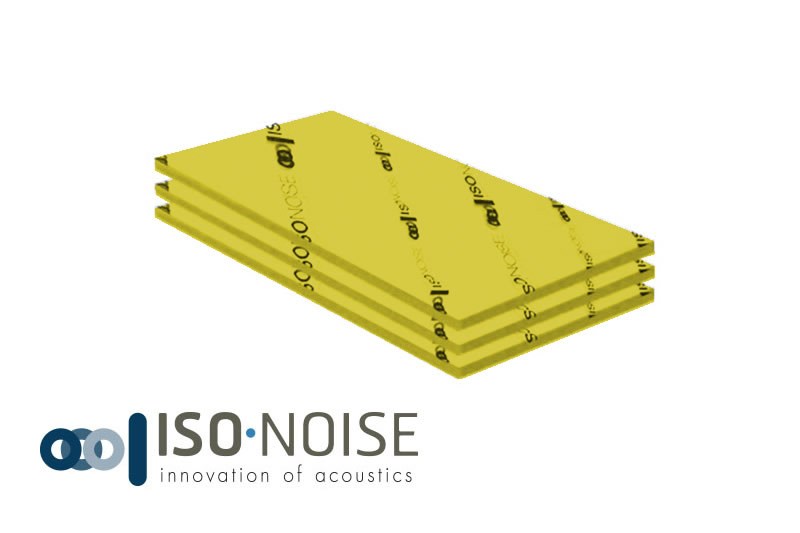
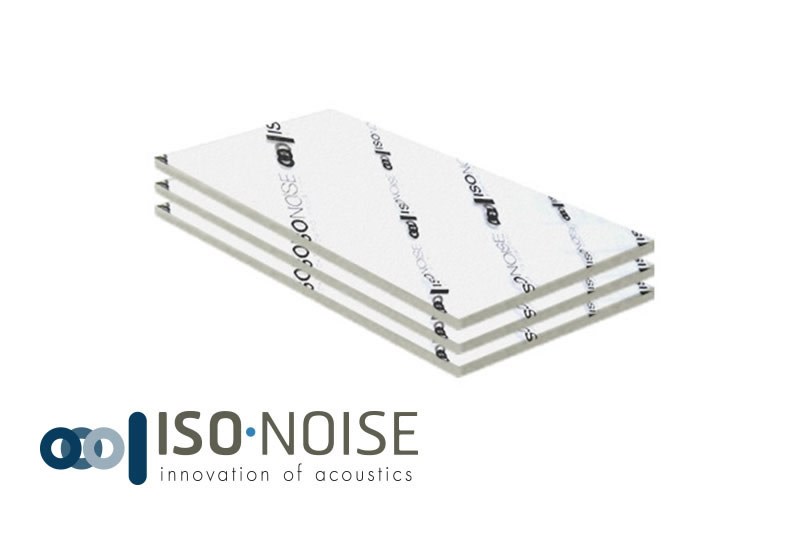
- ISO NOISE Standard — For the drywall layer that closes a window or lines a wall; 50 mm batt in a PE bag
- ISO NOISE Premium — 100% polyester batt for wall and ceiling cavities; ask us before using it outdoors
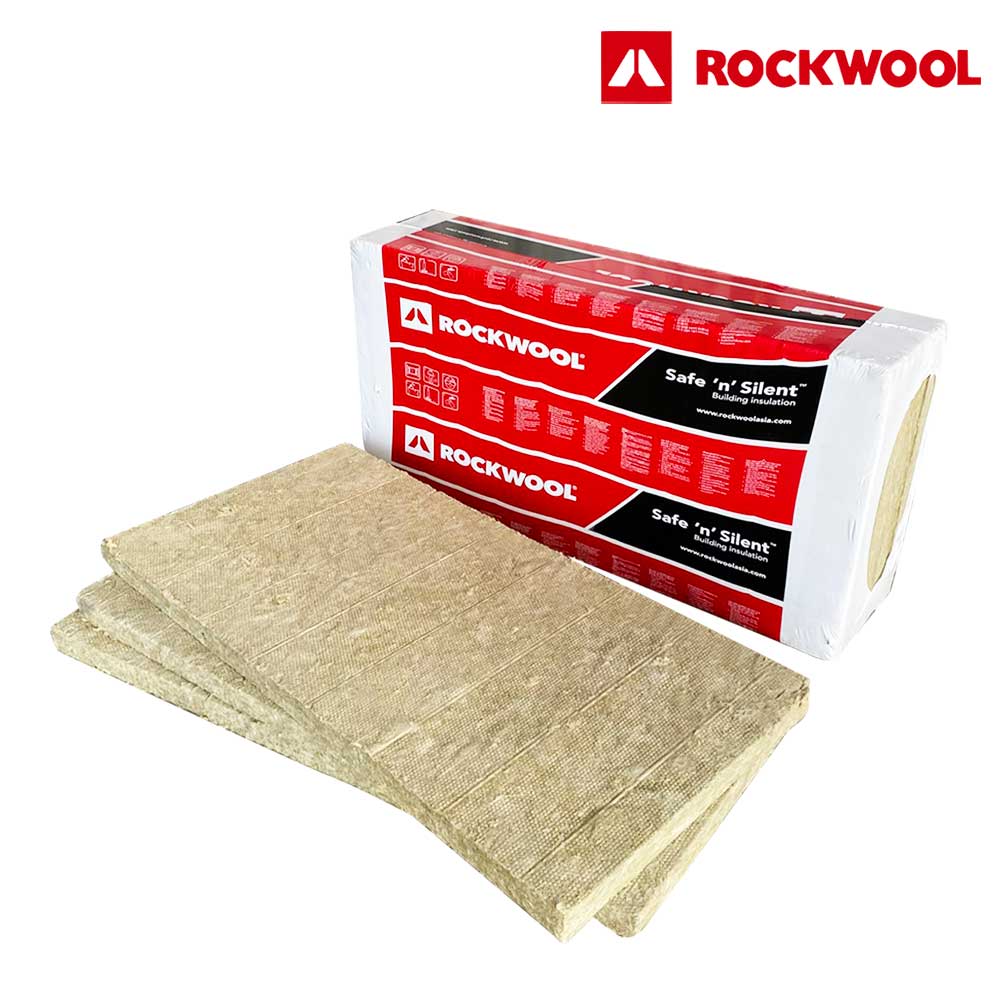
- ROCKWOOL Safe 'n' Silent Pro — Stone wool for wall and ceiling cavities when the bedroom wall or ceiling needs upgrading
- SCG Cylence ZoundBlock — Glass wool in a moisture-barrier wrap for the cavity of added drywall or masonry linings
Sound insulation · Stone wool
ROCKWOOL Safe 'n' Silent Pro
- Thickness
- 25–100 mm
- Density
- 40–100 kg/m³
- Sound absorption (NRC)
- 0.90–1.00
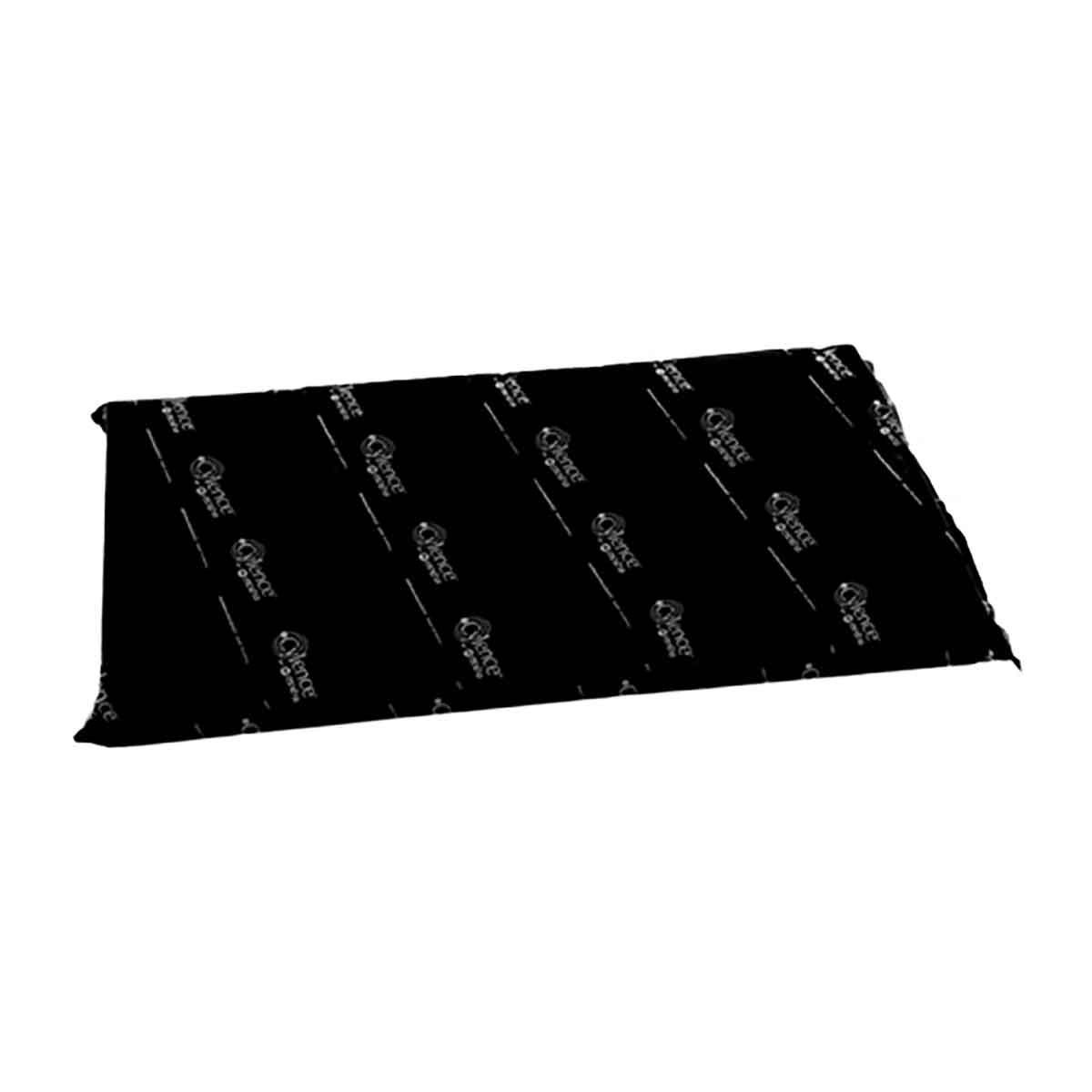
Sound insulation · Glass wool
SCG Cylence ZoundBlock
- Thickness
- 50–100 mm
- Density
- 32 kg/m³
- Thermal conductivity (λ)
- ≤ 0.033 W/m·K