6 min read · Written by our team · Updated 26 Sept 2026
In short
Ceiling insulation works when it covers the whole area with pieces butted tightly together and no gaps, is not compressed flat, and does not cover light fittings or electrical equipment that get hot. Before laying it, check that the ceiling frame can take the extra weight and face any foil the way the manufacturer specifies. The roof space is hot, dark and you can fall through the ceiling, so electrical work and work at height should be done by experienced tradespeople.
Why insulate on the ceiling?
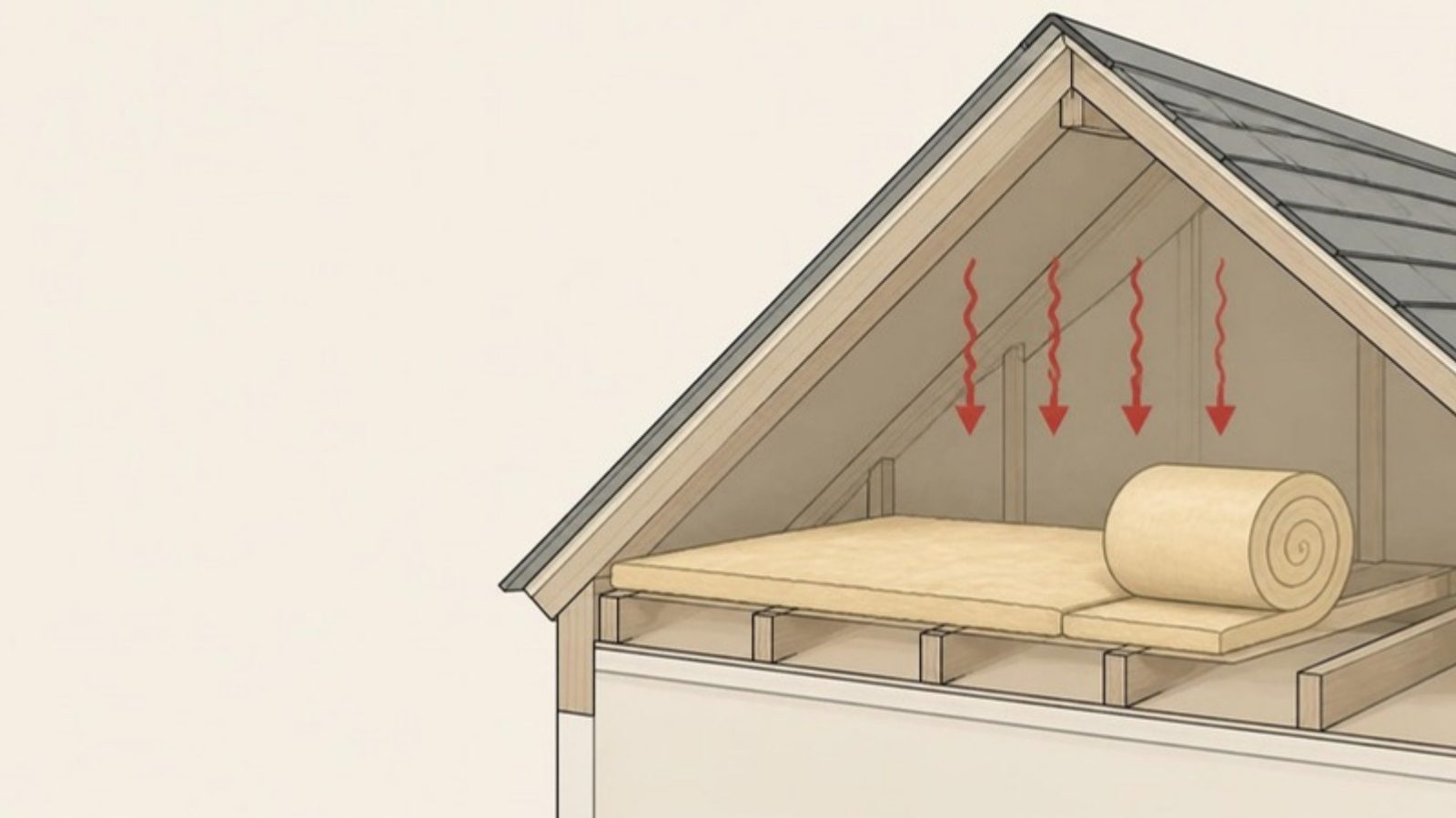
The ceiling separates the hot roof space from the rooms below. Laying insulation on the ceiling is popular for finished houses because the roof does not have to come off. For choosing the overall position (under the roof, on the purlins or on the ceiling), see how to choose roof insulation.
What to check before you start
Roof leaks — repair them first. Wet insulation performs worse, and the added weight can damage the ceiling.
Condition of the ceiling and frame — fix damp or cracked boards and sagging frames first.
Weight the ceiling frame can carry — insulation adds weight, especially thick or dense products, and on T-bar ceilings where the tiles simply rest on the grid. Check with the installer or ceiling manufacturer, and choose a product the manufacturer states is suitable for that ceiling type.
Electrical items above the ceiling — downlights, transformers or ballasts, junction boxes and cables. If wiring is damaged or you are unsure, have an electrician check it first.
Openings and ducts through the ceiling — such as exhaust-fan ducts; plan how to lay around them.
How to lay it for good results
Cover the whole area. Butt pieces tightly together and run them right to the walls and around the framing. Many small gaps together reduce the effect of the whole layer.
Do not compress or squash it. Compressed insulation does not give its full rated R-value. Do not store things on top of it.
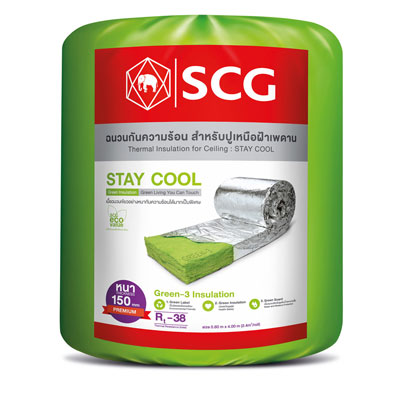
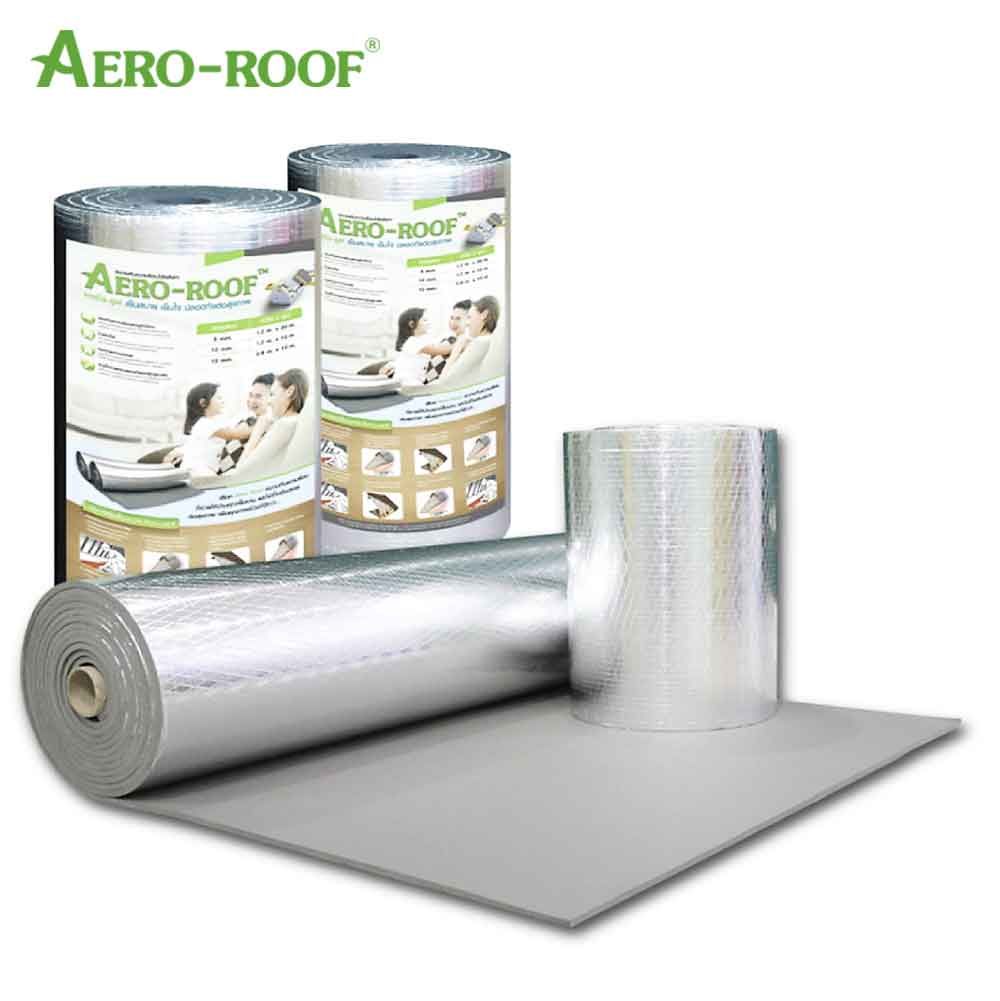
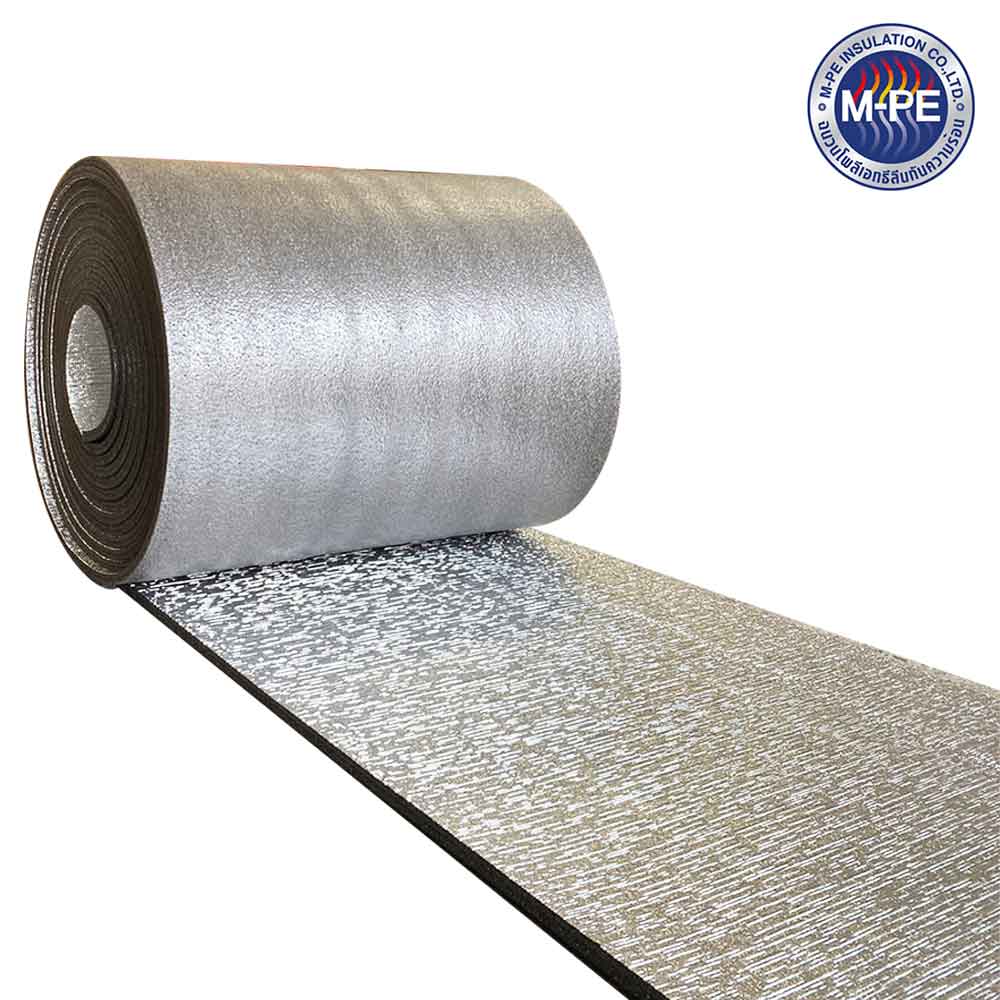
Face the foil as the manufacturer instructs, as products are designed differently. For example, AERO-ROOF is specified foil side up when installed on a ceiling frame, while fully foil-encapsulated insulation such as SCG STAY COOL is designed to be laid directly on the ceiling.
Seal joints the way the manufacturer recommends. Some foil-faced products call for aluminium foil tape on the joints.
Recessed lights, transformers, ballasts and other electrical equipment that gets hot must be able to shed heat. Covering them with insulation can cause overheating and a fire risk. Keep the clearance the light or insulation manufacturer specifies, unless the fitting is marked as designed for contact with insulation (e.g. IC-rated). Do not pull or crush cables and junction boxes. Leave moving or altering wiring to an electrician.
Working safely in the roof space
Installer safety
Step only on members that can carry your weight, such as sound roof framing or beams. Never step on ceiling boards or light ceiling framing — you can fall through. Lay boards across load-bearing members as a walkway.
Watch the heat. The roof space gets very hot in the daytime: work in the morning, keep air moving, drink water and take breaks.
Light and nails. Use enough lighting, and watch your head on roof framing and nail points coming through.
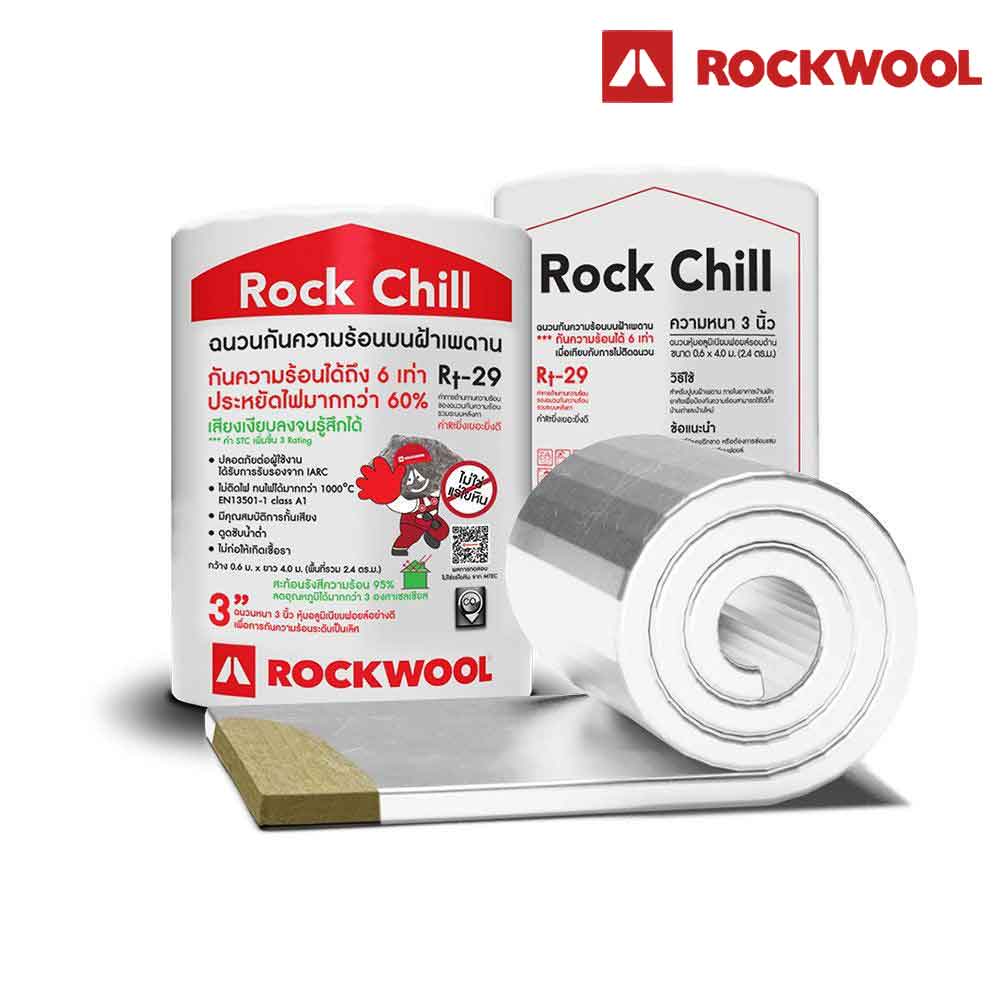
Protective equipment. When installing glass or stone wool, wear gloves, long sleeves, eye protection and a dust mask.
If the job involves height, work near electrical systems or hard-to-reach areas, use professional installers.
Common mistakes
Not covering the whole area, leaving gaps at edges or around framing
Laying insulation over downlights or transformers
Facing the foil the opposite way to the manufacturer's instructions
Putting heavy insulation on a ceiling whose load capacity was not checked
U.S. Department of Energy / ENERGY STAR — Insulation Fact Sheet (gaps, compression, recessed lights, protective equipment in the attic)
U.S. Department of Energy, Building America Solution Center — Attic Radiant Barriers (roof-space safety: step only on framing, nails, wiring, ventilation)
Aeroflex — AERO-ROOF product information (installation on ceiling frames foil side up)
SCG — SCG STAY COOL product information (insulation laid on plastered and T-bar ceilings)
Check the message below, then press “Open LINE”. On a phone LINE opens with this message; on a computer LINE shows a QR code to scan with your phone. If LINE does not open, copy the message into the chat, or call us.