5 min read · Written by our team · Updated 26 Sept 2026
In short
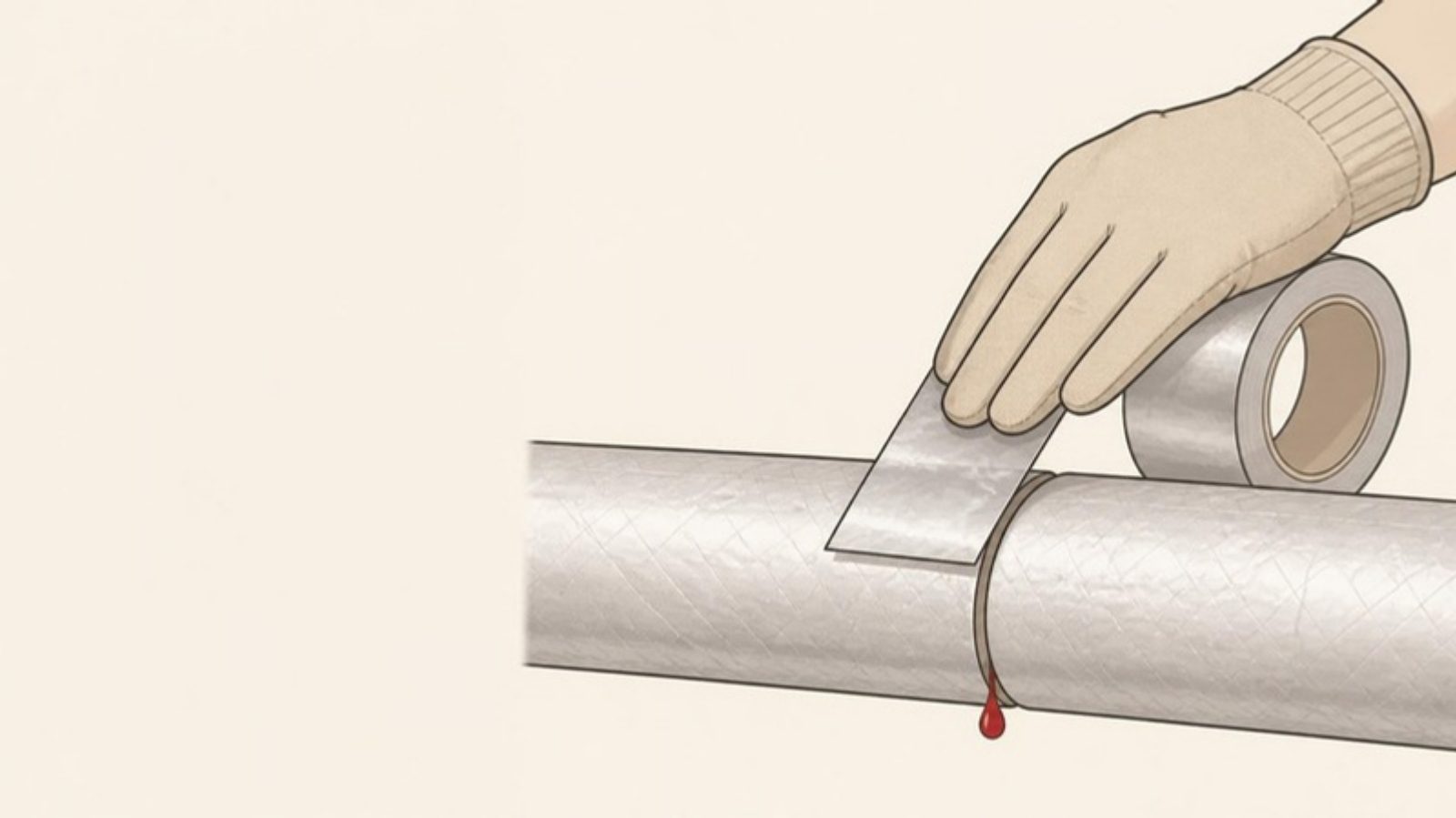
On cold work such as chilled-water pipes, refrigerant lines and cool-air supply ducts, even a small gap at a joint lets moist air reach the cold surface. Vapour condenses under the insulation even when the thickness is adequate. Elastomeric insulation needs the manufacturer's specified adhesive on every slit and joint, foil-faced insulation needs joints sealed with tape that matches the facing, and the insulation must not be crushed thin at pipe hangers.
1The pipe — for example a refrigerant or chilled-water line
2Pipe insulation: choose a bore that fits the pipe, and a thickness for the temperature and site conditions (no single thickness suits every job)
3Lengthwise seam: bonded or sealed the way the manufacturer specifies
4Butt joint between lengths: tight and sealed
5Hanger or support: the insulation should not be crushed thin — support it as the manufacturer recommends
6Outdoors: protect from sunlight and weather as the manufacturer specifies
Why a small gap is a big problem
Water vapour moves from warm, humid air towards colder surfaces. When it reaches a surface below the dew point it turns to water (dew point and condensation). A good insulation body slows this path, but an open joint is a shortcut that air and vapour pass through far more easily than through the insulation itself.
Typical results are local dripping, water stains on ceilings, soaked insulation and steel pipes corroding under the insulation, which usually start at joints, ends or hangers rather than mid-run (why AC pipes drip).
Elastomeric insulation: the adhesive is part of the system
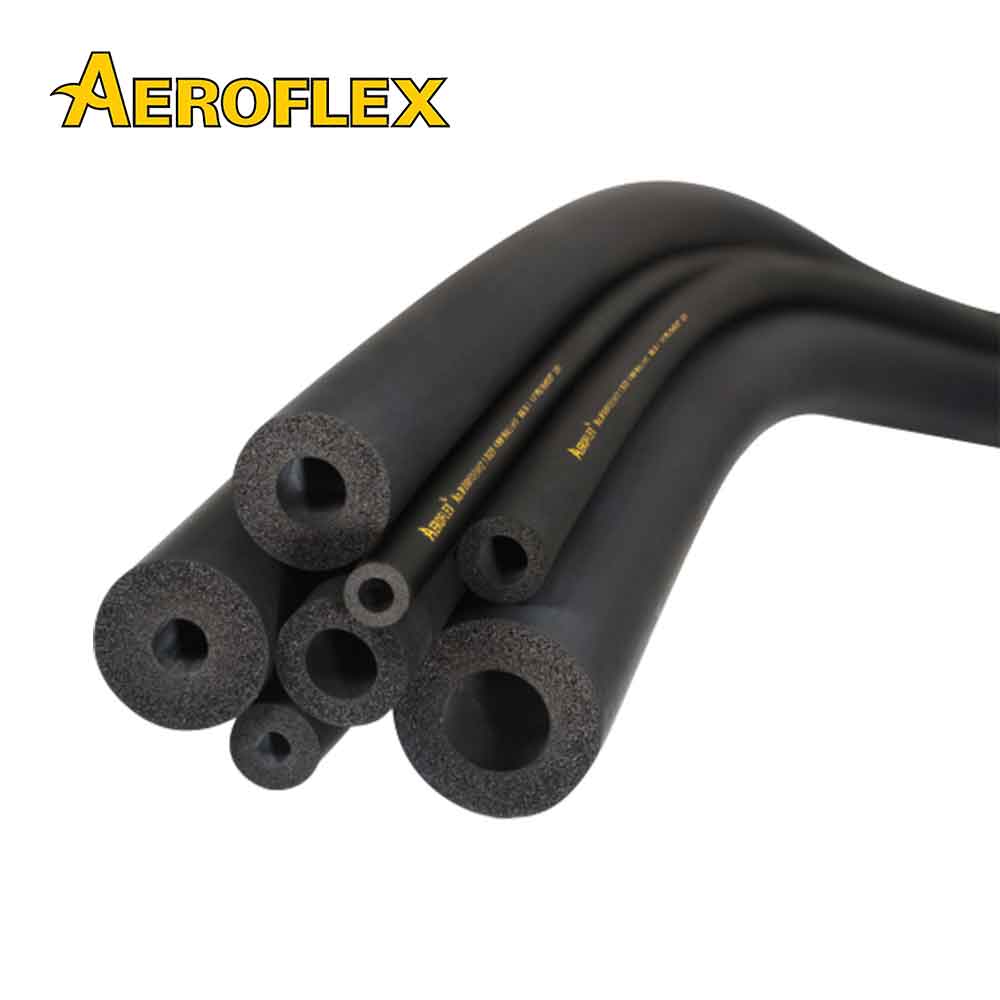
Elastomeric foam is closed-cell, with vapour resistance built into the material (what is elastomeric foam), but slits and joints do not share that property unless they are glued. Principles the manufacturer sets out in its application manual:
Use the elastomeric-insulation adhesive the manufacturer specifies, not a general-purpose glue that may not suit the rubber.
Apply adhesive to both faces, let it become tack-dry (using the test described in the maker's manual), then press the faces together across the full thickness.
Install slightly compressed towards each other, never stretched, because joints under tension tend to open.
On cold work, glue both the longitudinal slit and the butt joints.
Allow the adhesive to dry for the time given in its datasheet before taping, painting or cladding over it.
Tape wrapped over the top does not replace gluing the joints of elastomeric insulation. Check where the manufacturer calls for tape as an addition.
Foil-faced insulation: the tape is the vapour line
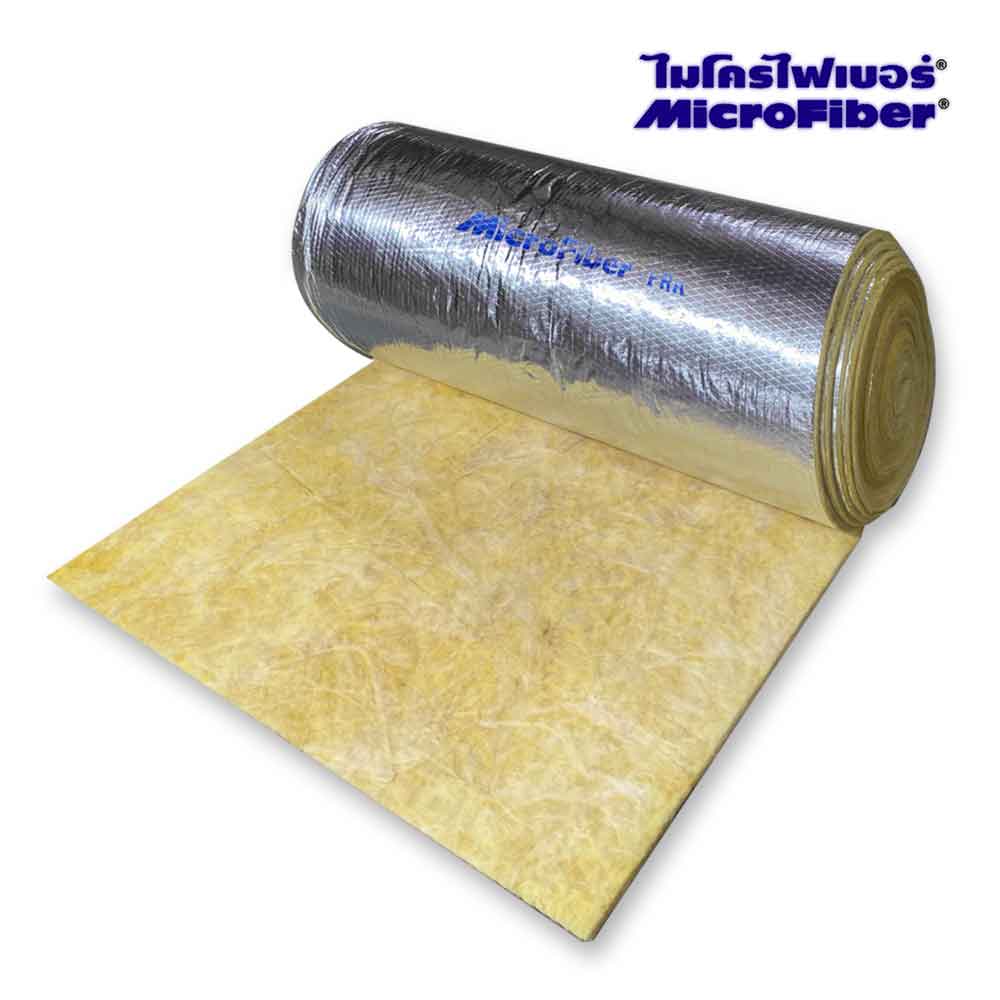
Glass-wool duct wrap such as Micro Duct Wrap FRK, and other foil-faced insulation, relies on the foil facing as the vapour retarder (what is a vapour barrier). The facing only works if it is continuous:
Butt sections tightly with an overlap flap as the manufacturer recommends.
Seal every joint, tear, pin penetration and cut with foil tape that matches the facing, such as INSU-TAPE.
Clean and dry the surface before taping, and rub the tape down firmly.
Check the tape's application temperature and service temperature in its datasheet.
If the insulation is bonded to the duct with adhesive such as INSU-BOND FiberTight, apply the quantity and method in the manufacturer's document.
Hangers and supports: do not crush the insulation
At hangers and pipe clamps the insulation is often squeezed thin or cut away, so the outer surface gets colder and drips locally, and a hanger touching the pipe directly acts as a thermal bridge. Some insulation manufacturers therefore offer pre-insulated pipe supports to keep the insulation continuous. On ducts, manufacturers advise against compressing the wrap thin at duct corners. See also gaps and compression in insulation.
Check before the ceiling is closed
Elastomeric slits and joints are glued along their full length with no gaps.
Ends at valves, fittings and terminations are closed.
Foil facings have no tears; joints and pin penetrations are all taped.
Hangers do not crush the insulation thin.
Outdoor sections have sun protection as the manufacturer advises.
The right thickness depends on the pipe temperature, humidity and pipe size. Well-sealed joints on insulation that is too thin can still condense. See how to choose pipe insulation.
Check the message below, then press “Open LINE”. On a phone LINE opens with this message; on a computer LINE shows a QR code to scan with your phone. If LINE does not open, copy the message into the chat, or call us.