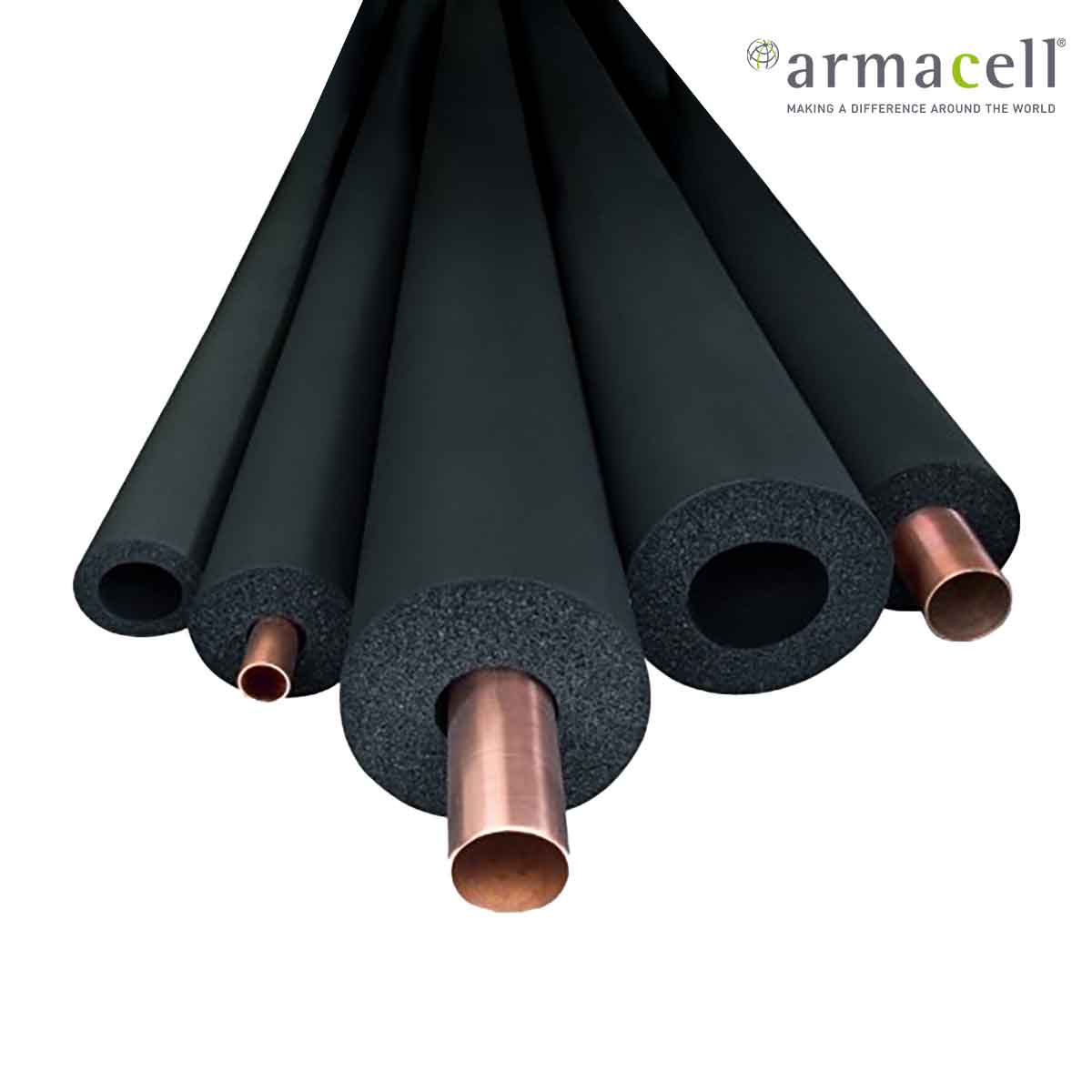
Pipe insulation · Elastomeric foam
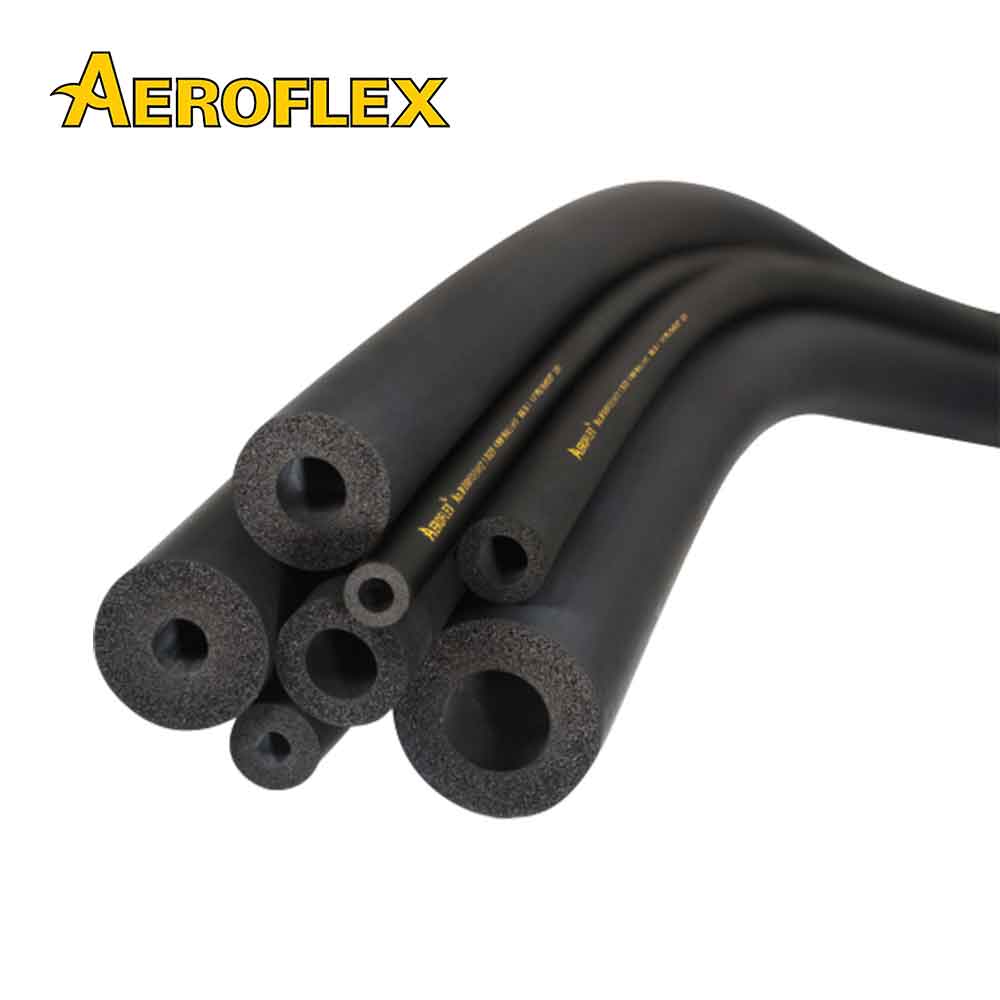
AEROFLEX Tube Insulation
- Tube bore
- 6–165 mm
- Wall thickness
- 6–50 mm
- Service temp.
- -57 – 125 °C
Sound coming in or going out (sound insulation)
Echoey rooms (sound absorption)
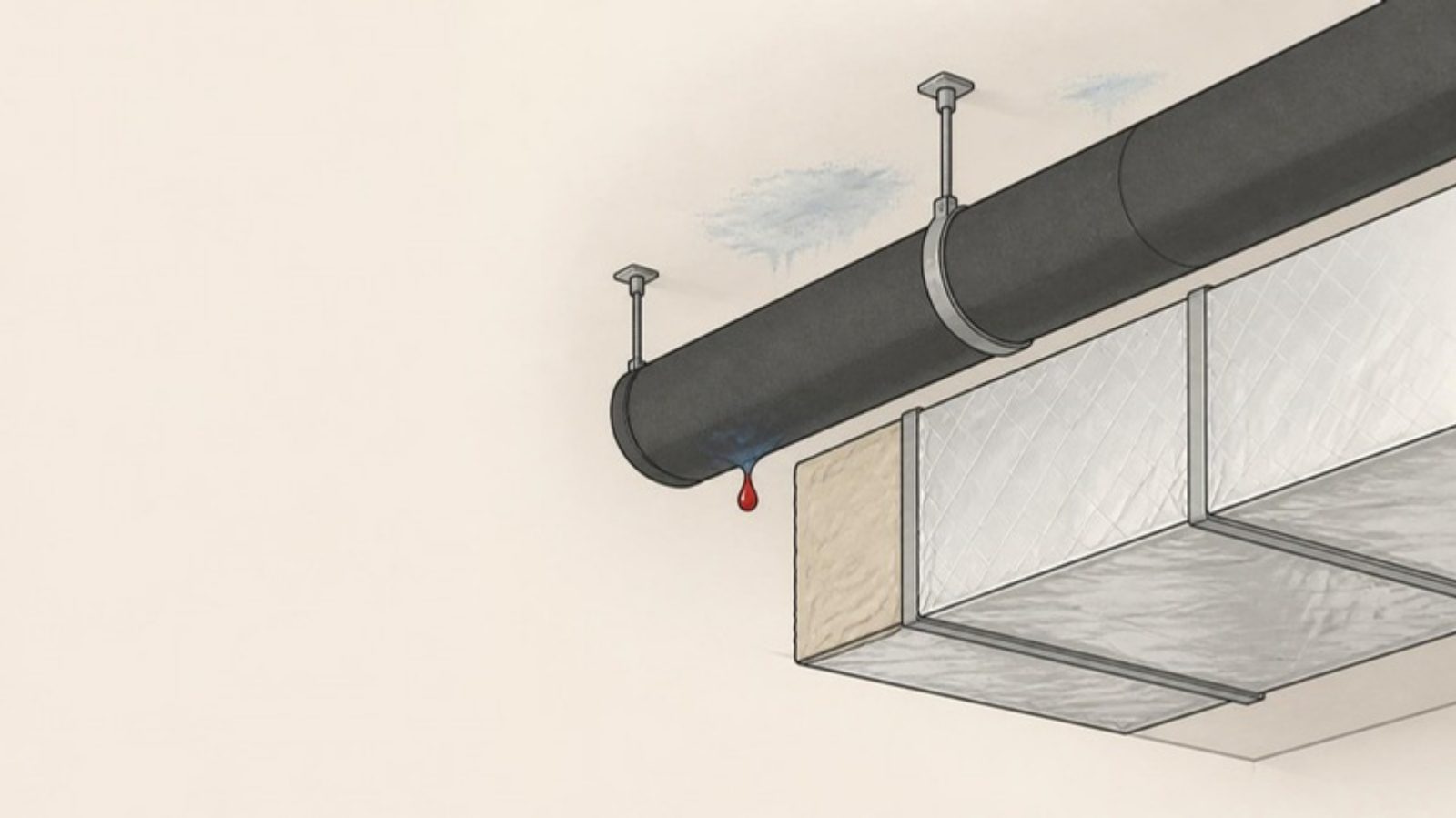
Elastomeric foam is a closed-cell synthetic-rubber foam whose body itself resists water-vapour flow, so it is widely used on chilled-water and refrigerant pipes. Glass wool is a fibrous insulation that air can move through, so on cold work it depends on a foil facing or vapour retarder with every joint sealed; it is widely used on ductwork and hot pipes. Neither suits every job: choose by location, operating temperature and the values in each product's datasheet.
Air-conditioning has surfaces colder than the surrounding air (chilled-water pipes, refrigerant lines, supply ducts carrying cool air) as well as hot ones. If moist air reaches a surface below its dew point, the vapour condenses: the insulation gets wet, pipes corrode and water drips onto ceilings (why AC pipes drip). Each material keeps vapour out in a different way, which directly affects where it is used and how it is installed.
Read more: what is a vapour barrier and closed-cell vs fibrous insulation
| Elastomeric foam | Glass wool | |
|---|---|---|
| --- | --- | --- |
| Structure | Closed cell | Fibrous (needs a vapour retarder on cold work) |
| Common forms | Pre-formed tubes, sheets, rolls | Duct-wrap rolls, boards, pipe sections, flexible duct |
| Typical jobs | Chilled-water pipes, refrigerant lines, fittings and valves | Duct exteriors, duct liners, high-temperature pipes |
| Facing | Mostly unfaced; some grades foil-faced | Usually factory foil or other facing |
| Installation | Slide on, or slit and glue with the maker's adhesive | Wrap or line, fix with adhesive/pins, seal joints with foil tape |
This table shows general tendencies, not fixed rules: elastomeric sheet can also insulate ducts and glass-wool pipe sections are used on pipes, depending on the product and job conditions.
Service temperature ranges differ by formulation and product, so avoid assuming "elastomeric handles X" or "glass wool handles Y". Examples from the datasheets of products we sell:
These values apply only to those products. Check the current datasheet of the exact product before ordering.
The thickness needed to prevent condensation depends on the pipe temperature, the surrounding air temperature and humidity, and the pipe size. Calculate from actual conditions: see how to choose pipe insulation and dew point and condensation.
With both, most problems come from unsealed joints and insulation crushed at hangers. Read why insulation joints and sealing matter.
Categories and example products for this topic
Pipe insulation · Elastomeric foam
Pipe insulation · Elastomeric foam
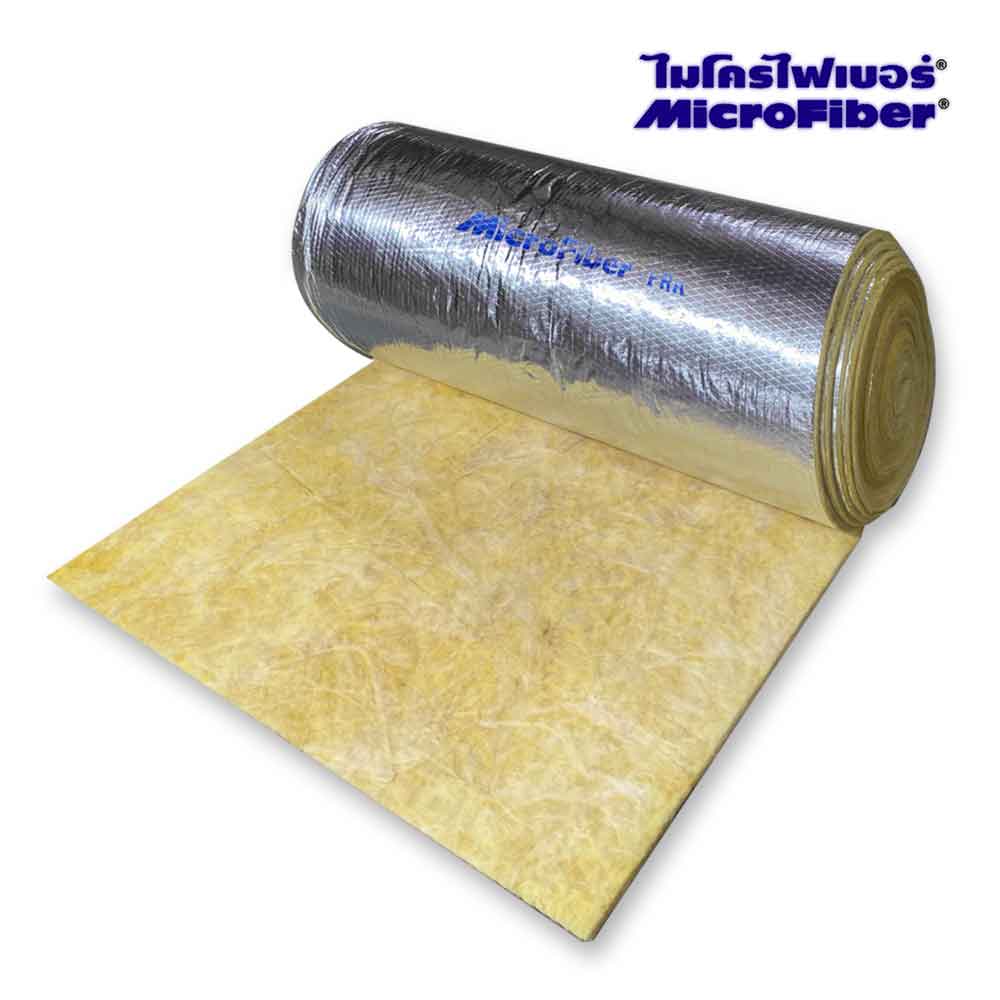
Duct and HVAC insulation · Glass wool
Pipe insulation · Glass wool
Check the message below, then press “Open LINE”. On a phone LINE opens with this message; on a computer LINE shows a QR code to scan with your phone. If LINE does not open, copy the message into the chat, or call us.
Add us on LINE: @x2525 · Call 062-195-1909