Industrial and high-temperature insulation · Stone wool
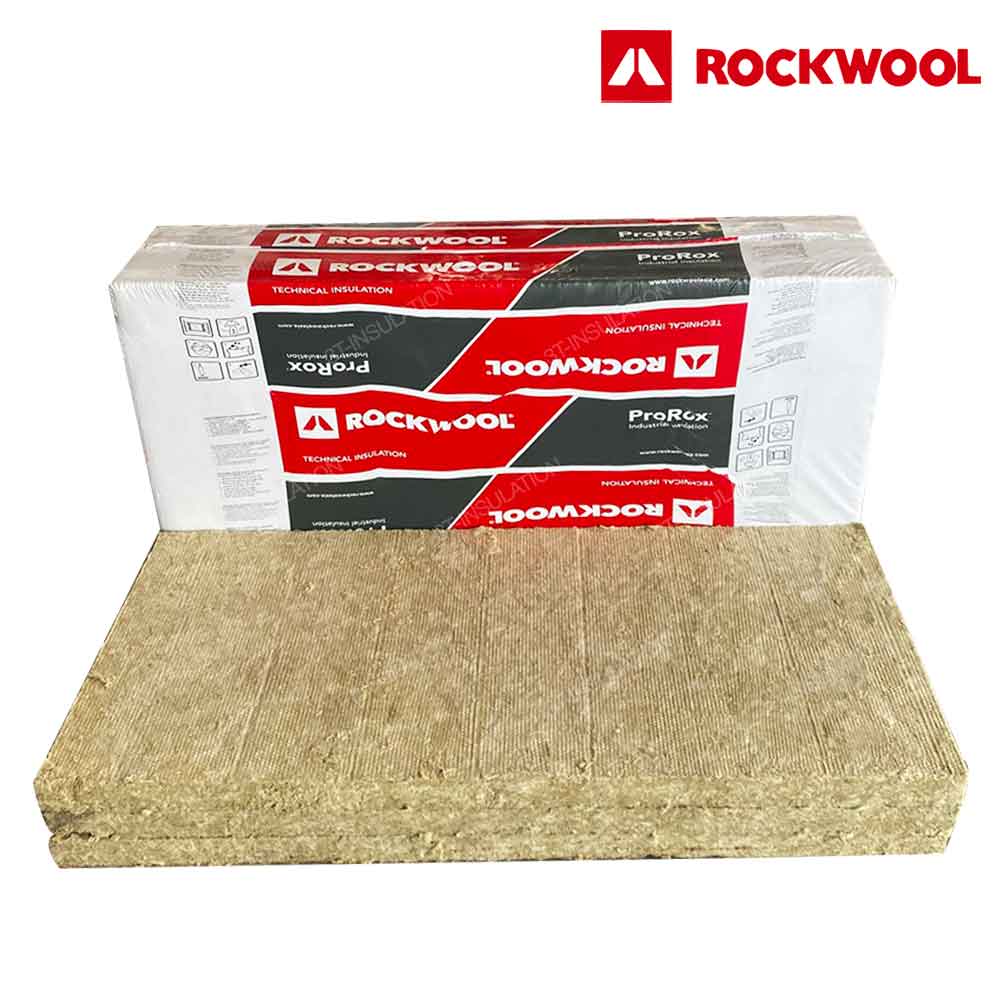
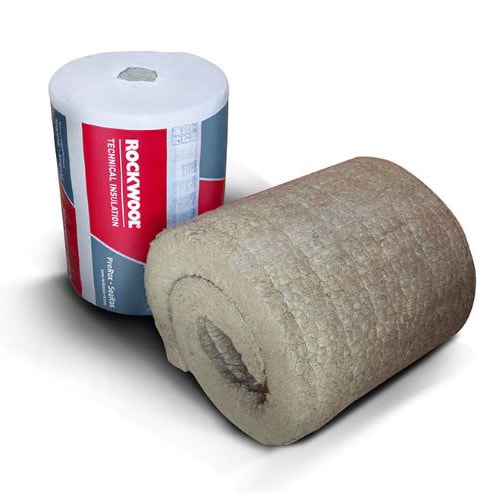
ROCKWOOL ProRox WM
- Max. temp.
- 650–750 °C
- Density
- 80–128 kg/m³
- Thermal conductivity (λ)
- 0.037–0.038 W/m·K (50 °C)
Sound coming in or going out (sound insulation)
Echoey rooms (sound absorption)
Industrial and high temperature
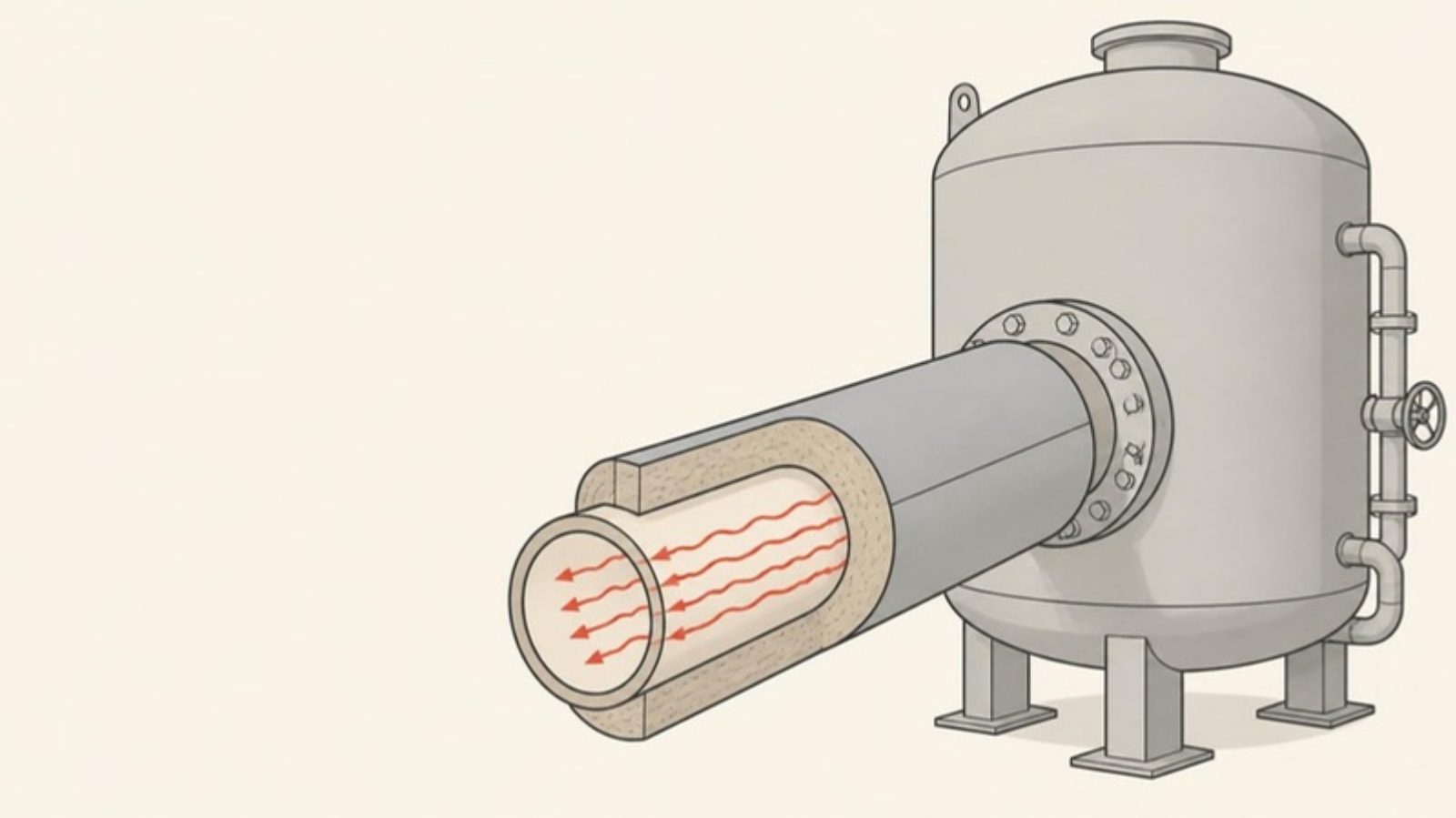
Start from the highest surface temperature that really occurs, then choose a material whose service temperature covers it with a margin. Next, choose a form that fits the surface (pipe section, wired mat, slab or ceramic-fibre blanket), check chloride requirements for stainless steel, and plan cladding against water and impact. Thickness should be calculated by an engineer or industrial-insulation specialist for the actual conditions.
Industrial insulation can serve several purposes: cutting energy loss, holding process temperatures and lowering the outer surface temperature to protect workers from contact. A wrong choice can shrink, sag or degrade early, and water getting into the insulation can cause corrosion under insulation (CUI), which cannot be seen from outside.
| Form | Suits | Example product |
|---|---|---|
| --- | --- | --- |
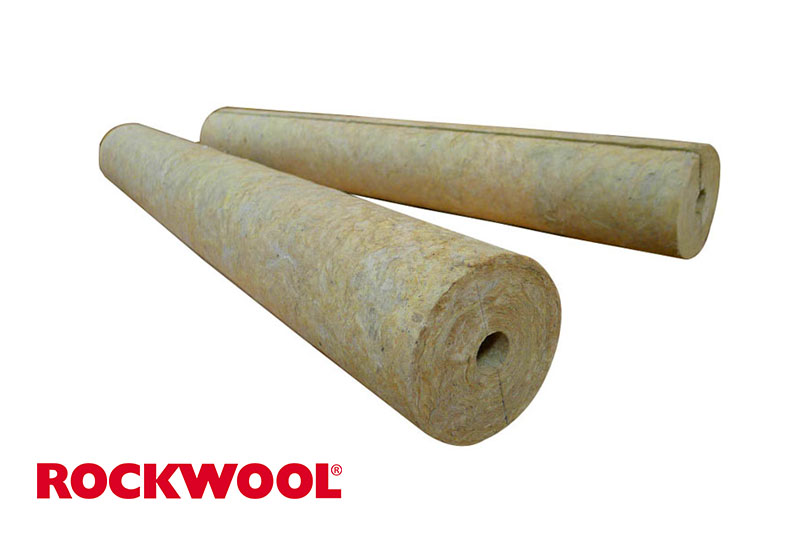
| Pipe section | Standard pipe sizes; fast, neat joints | SCG PCI (glass wool, within the maker's stated range) |
| Wired mat | Large pipes, tanks, boilers, flue ducts; curved or irregular surfaces | ROCKWOOL ProRox WM (stone wool, grades by temperature) |
| Slab | Flat equipment walls, rectangular hot ducts | Industrial stone-wool slabs |
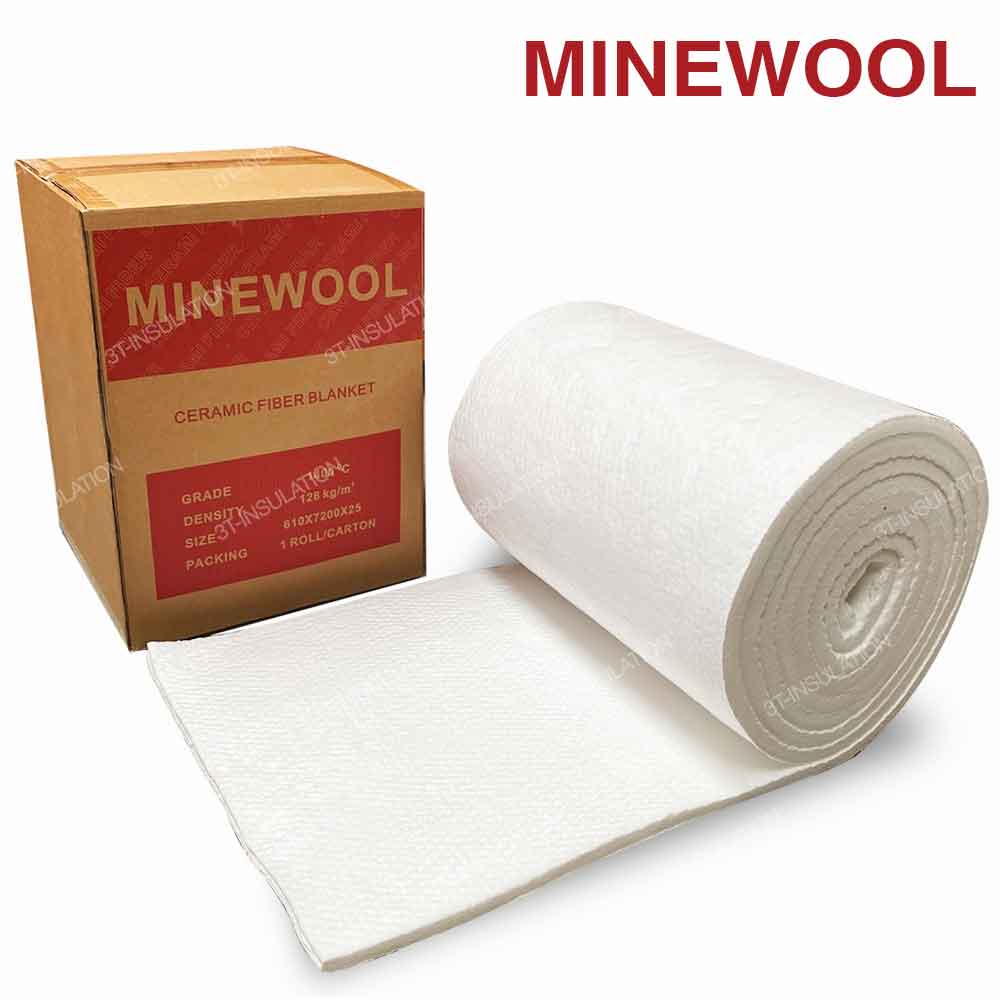
| Ceramic-fibre blanket | Very high temperatures beyond stone wool; furnace linings, seals, removable jackets | MINEWOOL Ceramic Fiber Blanket |
Material overviews: glass wool · stone wool · ceramic fibre
Austenitic stainless steel (such as grades 304/316) is at risk of stress corrosion cracking when chlorides build up on the metal surface together with heat and moisture. The chlorides can come from the insulation itself or from outside water soaking through it.
ASTM C795 is the specification for insulation in contact with austenitic stainless steel. It refers to a corrosion test (ASTM C692) and chemical analysis of chloride and inhibiting ions (ASTM C871). For stainless-steel work, ask the maker for written confirmation — for example, the ProRox WM documents state that it meets this requirement — and still keep water out of the insulation.
Thickness depends on surface temperature, pipe size, ambient temperature, wind, the insulation's thermal conductivity at that temperature and the goal (e.g. an acceptable outer surface temperature). Designers use calculation standards such as ISO 12241 or ASTM C680. We do not give ready-made thicknesses — send site data to a specialist for calculation.
Categories and example products for this topic
Industrial and high-temperature insulation · Stone wool
Industrial and high-temperature insulation · Stone wool
Industrial and high-temperature insulation · Stone wool
Industrial and high-temperature insulation · Ceramic fibre
Check the message below, then press “Open LINE”. On a phone LINE opens with this message; on a computer LINE shows a QR code to scan with your phone. If LINE does not open, copy the message into the chat, or call us.
Add us on LINE: @x2525 · Call 062-195-1909