LINE: ask a price

Materials

What is glass wool and what is it used for?

4 min read · Written by our team · Updated 26 Sept 2026

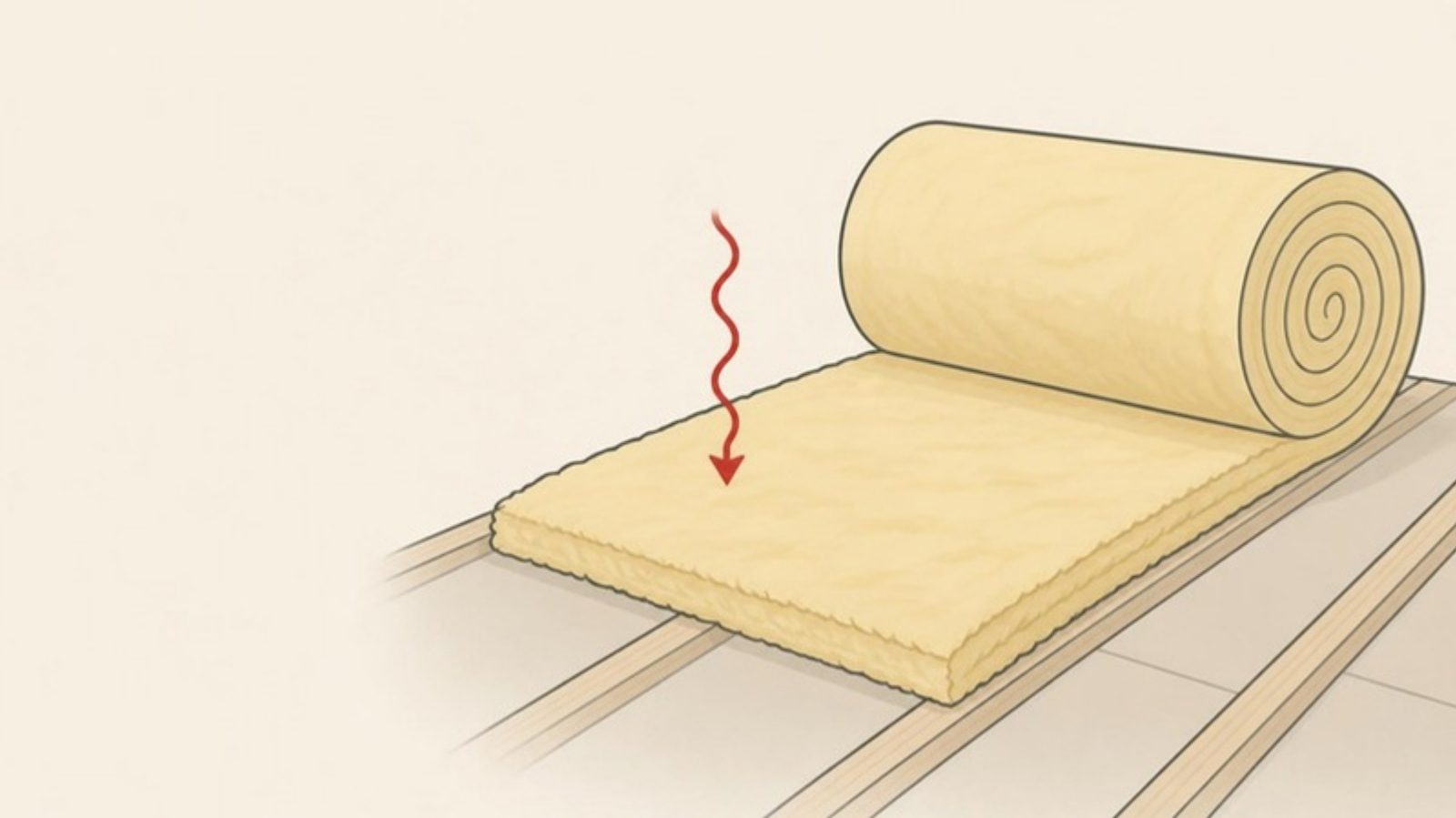
A pale yellow glass wool roll partly unrolled, with a red heat arrow stopping at its surface.
In short

Glass wool (fiberglass) is insulation made from molten glass spun into fine fibres and held together with a binder. The small air pockets between the fibres slow heat transfer and absorb sound, so it is common in roofs, ceilings, HVAC ducts, hot and chilled-water pipes and sound-absorbing panels. Real performance depends on the product, thickness, density, facing and installation.

Neutral comparison: glass wool is made from molten glass, stone wool from molten rock; both are spun into fibres and formed into rolls, boards or pipe sectionsGlass wool 123Stone wool 123 Neutral comparison: glass wool is made from molten glass, stone wool from molten rock; both are spun into fibres and formed into rolls, boards or pipe sectionsGlass wool 123Stone wool 123
  1. 1Raw material: glass wool uses glass (including recycled glass) and sand; stone wool uses volcanic rock such as basalt — proportions vary by manufacturer
  2. 2Melted at high temperature and spun into fibres
  3. 3Formed into rolls, boards or pipe sections — check each product's datasheet for its actual properties; colours here only tell the materials apart

What is glass wool made from?

The main raw materials are sand, limestone, soda ash and recycled glass (cullet). They are melted in a high-temperature furnace, spun into fibres finer than a human hair, sprayed with a binder and cured into rolls or boards.

What insulates is not the glass itself but the still air trapped between the fibres. If the insulation is squashed flat or gets wet, its performance drops.

Common forms

FormDescriptionTypical uses
---------
Roll / blanketSoft, can be laid or wrapped; often foil on one side or fully encapsulatedUnder roofs, on ceilings, duct wrap
BoardStiffer, holds its shapeDuct liner, lightweight walls
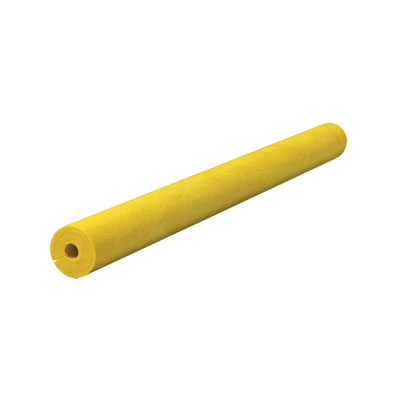
Pipe sectionPre-formed half-shells sized to the pipeHot-water pipes, some steam lines within the rated range
Acoustic panelFabric or glass-tissue facedMeeting rooms, cinemas

What is it used for?

  • Roof and ceiling insulation — reduces heat coming down from the roof space. See how to choose roof insulation
  • Air-conditioning — wrapped outside ducts (duct wrap) or lined inside (duct liner) to reduce energy loss and help reduce noise in the duct
  • Pipe insulation — pre-formed sections for pipes within the temperature range the maker states, such as SCG PCI, whose service range is given in its catalogue
  • Acoustics — fitted in lightweight wall cavities as part of a sound-insulating wall system, or made into panels to reduce echo. See soundproofing vs sound absorption

What to know before choosing

  • The values to check are thermal conductivity (λ) or R-value at the actual thickness, the service temperature and the fire-test results of that specific product — not of "glass wool" in general
  • Facings matter. Foil reflects heat and acts as a vapour barrier, but it can also change the product's fire-test result; check the result for the faced product
  • Service temperatures differ widely between products. Glass wool for ducts and pre-formed sections for hot pipes are designed differently. See what is service temperature

Installation

The fibres can cause temporary irritation of the skin, eyes and airways. Wear gloves, long sleeves, eye protection and a dust mask, and follow the manufacturer's safety data sheet (SDS). IARC places "insulation glass wool" in Group 3 (not classifiable as to carcinogenicity to humans).

How is glass wool different from stone wool?

Both are mineral wools, but their raw materials, service temperatures and typical uses differ. Read stone wool vs glass wool and what is stone wool.

Sources

  • EURIMA — How is mineral wool insulation made?
  • Saint-Gobain ISOVER Technical Insulation — Glass wool
  • IARC Monographs Volume 81: Man-made Vitreous Fibres (2002)
  • SCG — SCG Insulation for Industrial : Pipe (PCI) catalogue and SCG STAY COOL brochure

Related products

Categories and example products for this topic

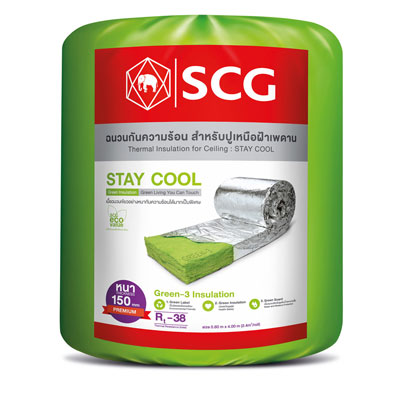
  • SCG STAY COOL — As a roll: foil-encapsulated glass wool laid on ceilings against heat
  • SCG PCI / PCIF — As a pipe section: for hot and cold steel pipes, service range 10–540 °C
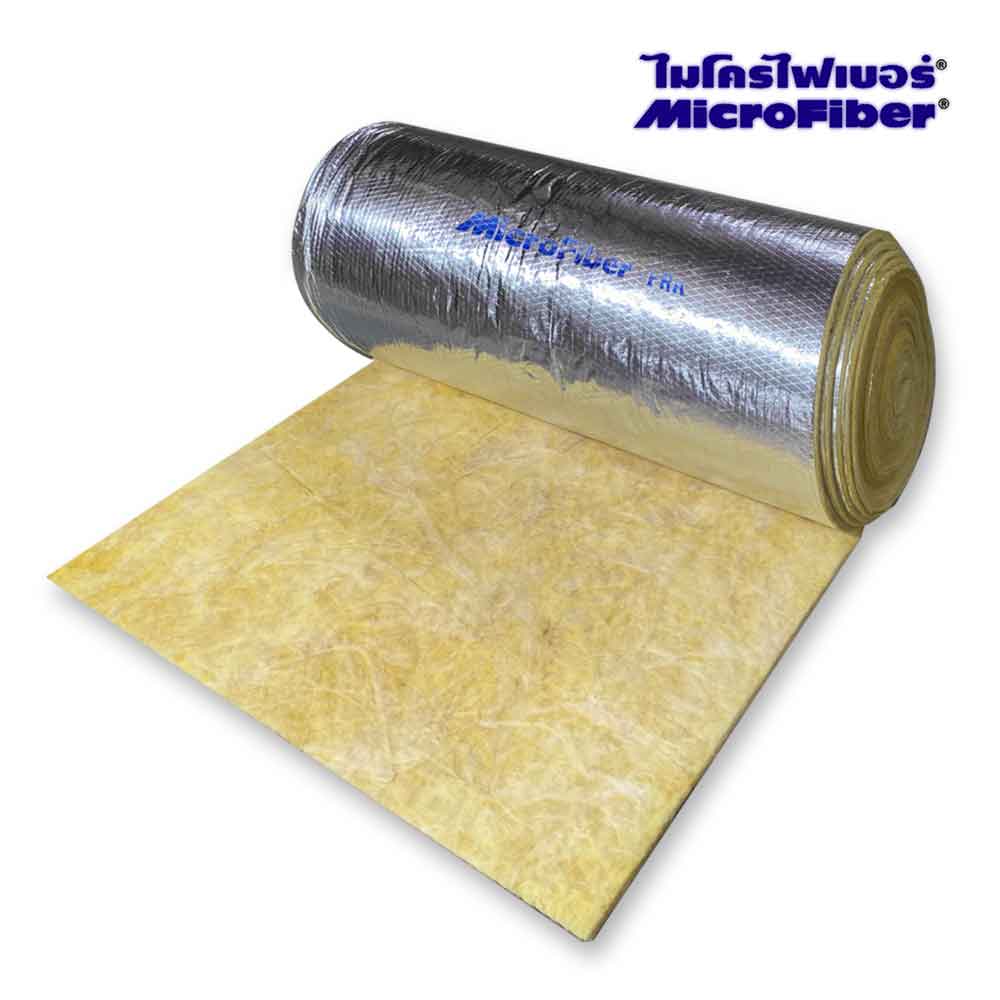
  • Micro Duct Wrap FRK — As a foil-faced wrap: outside AC ducts, in several densities and thicknesses
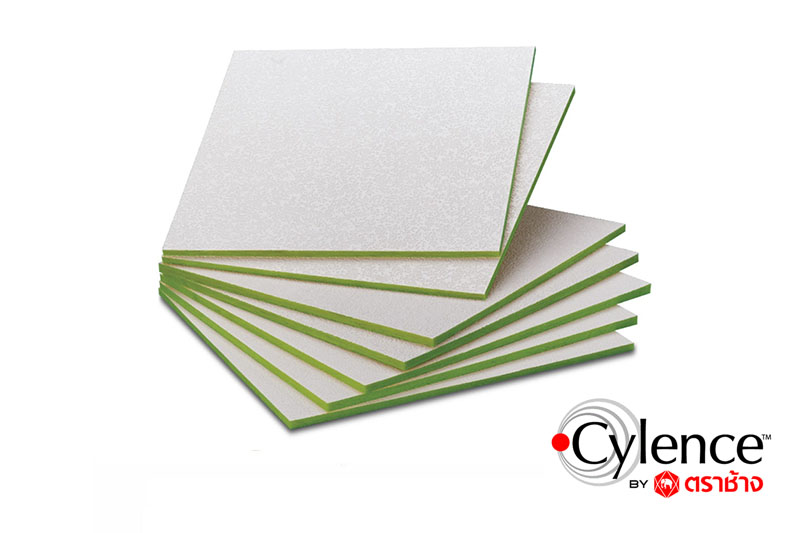
  • SCG Cylence Armax — As a ceiling tile: white-vinyl-faced glass wool laid in T-bar grids to cut reverberation

Read next

Related knowledge