Industrial and high-temperature insulation · Ceramic fibre
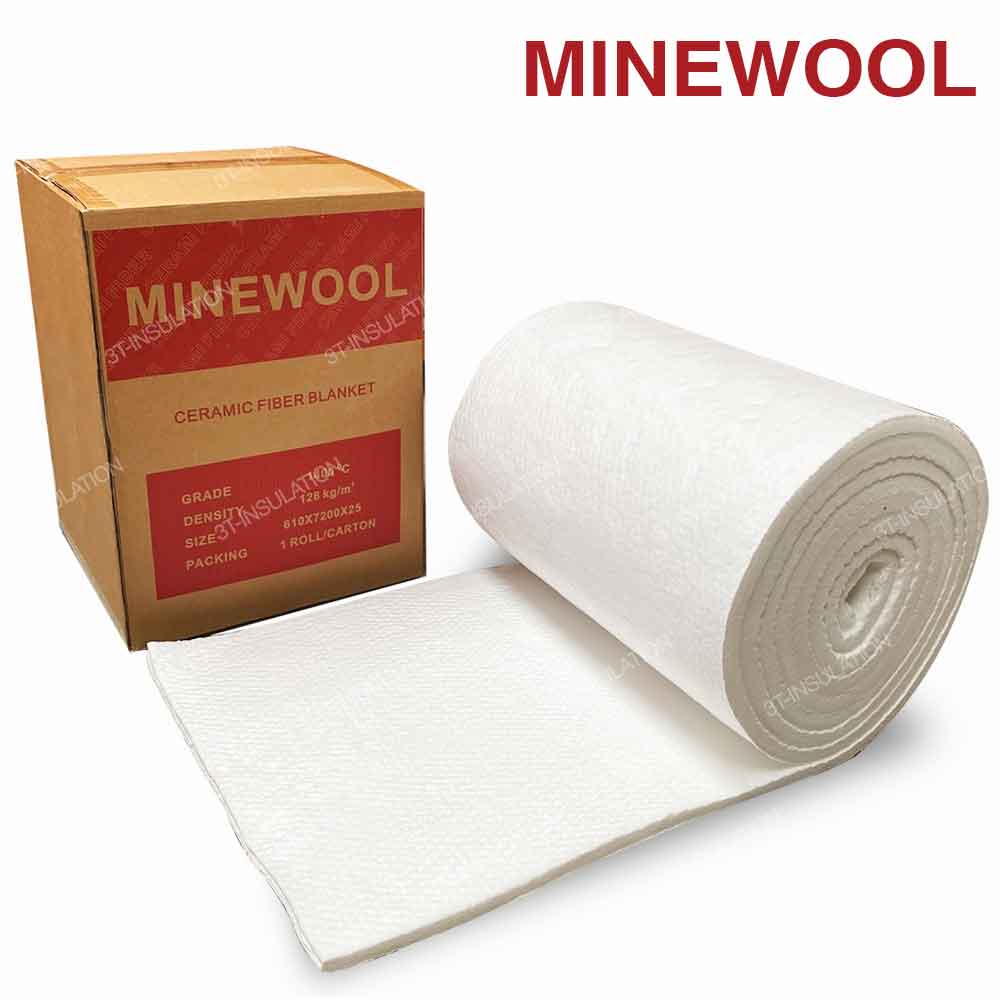
3T MINEWOOL Ceramic Fiber Blanket
- Service temp.
- 1,050–1,350 °C
- Density
- 128 kg/m³
Sound coming in or going out (sound insulation)
Echoey rooms (sound absorption)
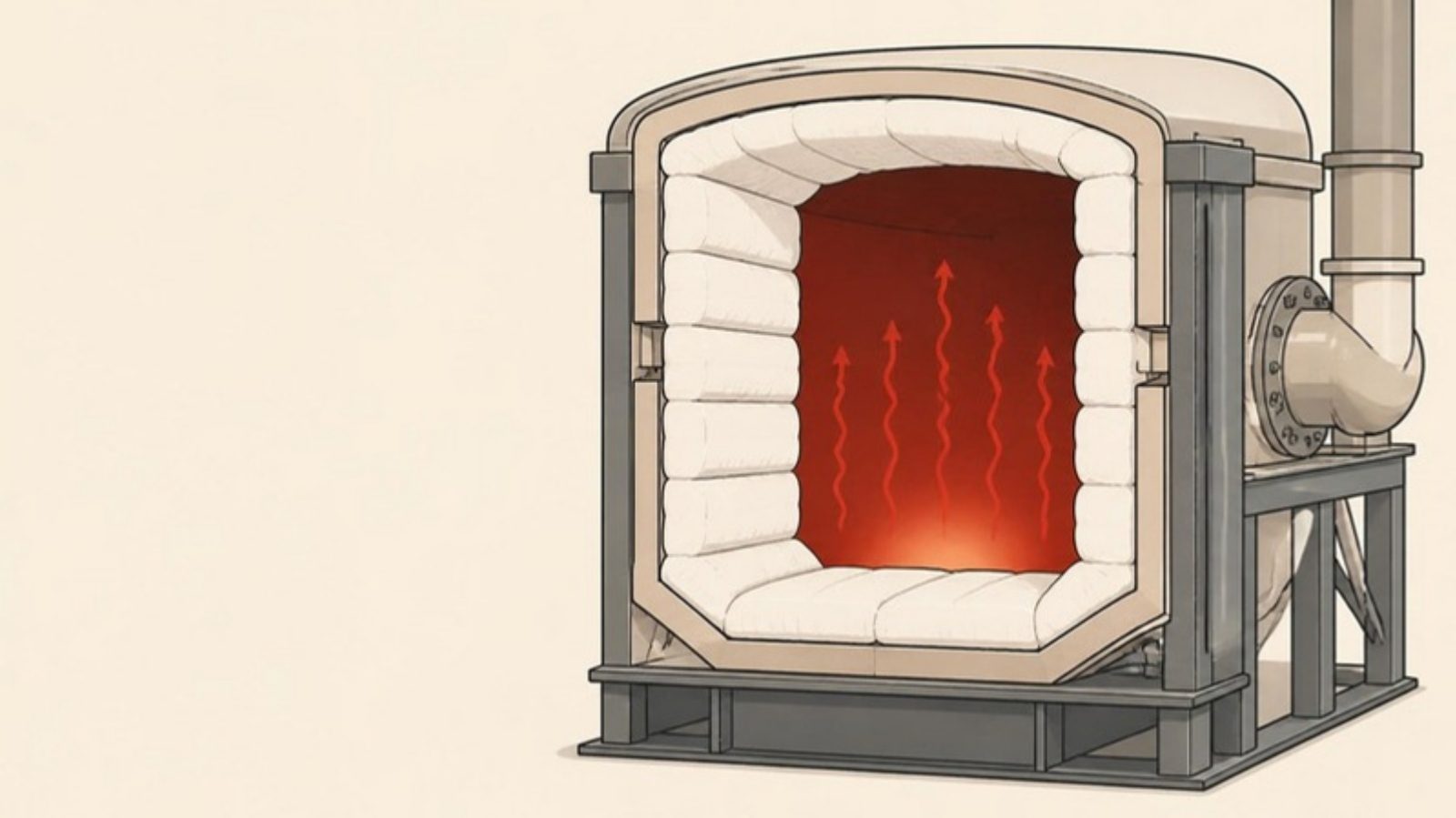
Ceramic fibre, technically refractory ceramic fibre (RCF) or alumino-silicate wool (ASW), is fibre insulation made by melting alumina and silica. It is designed for very high-temperature industrial work such as kilns, furnaces, boilers and heat seals. It is not insulation for homes or general buildings. Because IARC places RCF in Group 2B, it should be installed by experienced people using the protective equipment specified in the safety data sheet (SDS).
RCF is made by melting raw materials that are mainly alumina (Al₂O₃) and silica (SiO₂); some grades add zirconia (ZrO₂) for higher temperatures. The melt is spun or blown into fibres. The most common product is a blanket, which can be wrapped, used as a lining or sewn into insulation jackets. Boards, paper and rope are also made.
The wider family of "high temperature insulation wools" (HTIW) also includes other fibres such as alkaline earth silicate (AES) wool, which has a different health classification from RCF. Check the SDS for the fibre type in a given product.
Example product: MINEWOOL Ceramic Fiber Blanket, whose documents give a classification temperature and a working temperature as separate values.
Ceramic fibre is often labelled with a "classification temperature" that is higher than the temperature recommended for continuous use. Design with the working temperature from the maker's documents, not the highest number on the label. See what is service temperature.
| Body | Classification of RCF |
|---|---|
| --- | --- |
| IARC (Monographs Vol. 81, 2002) | Group 2B — possibly carcinogenic to humans |
| European Union (CLP Regulation 1272/2008) | Carcinogen category 1B (Carc. 1B) |
For comparison, IARC places insulation glass wool and stone wool used in buildings in Group 3. See is stone wool dangerous?
Categories and example products for this topic
Industrial and high-temperature insulation · Ceramic fibre
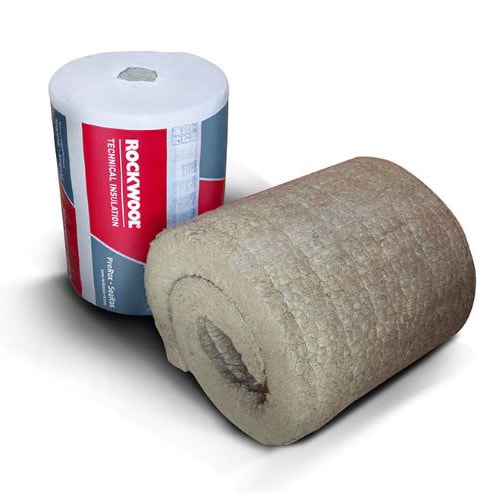
Industrial and high-temperature insulation · Stone wool
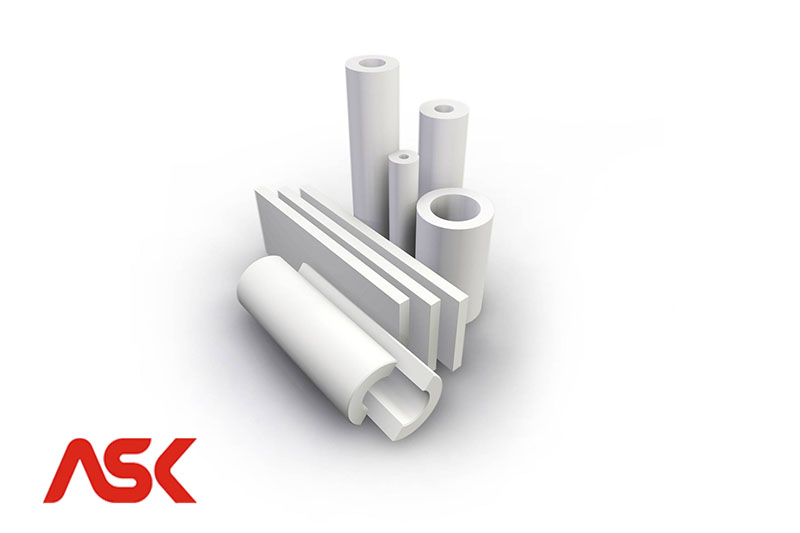
Industrial and high-temperature insulation · Calcium silicate
Check the message below, then press “Open LINE”. On a phone LINE opens with this message; on a computer LINE shows a QR code to scan with your phone. If LINE does not open, copy the message into the chat, or call us.
Add us on LINE: @x2525 · Call 062-195-1909