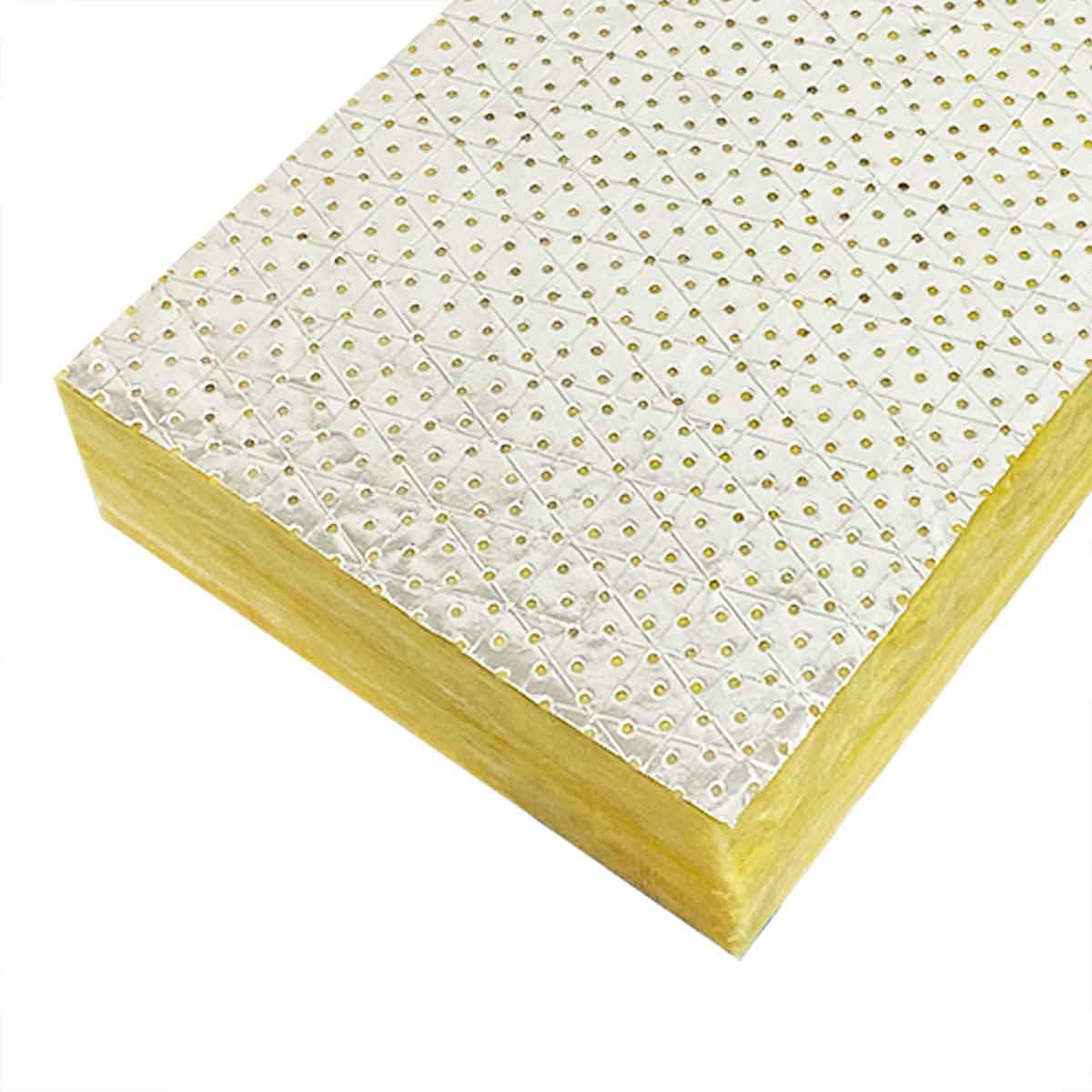
Duct and HVAC insulation · Glass wool
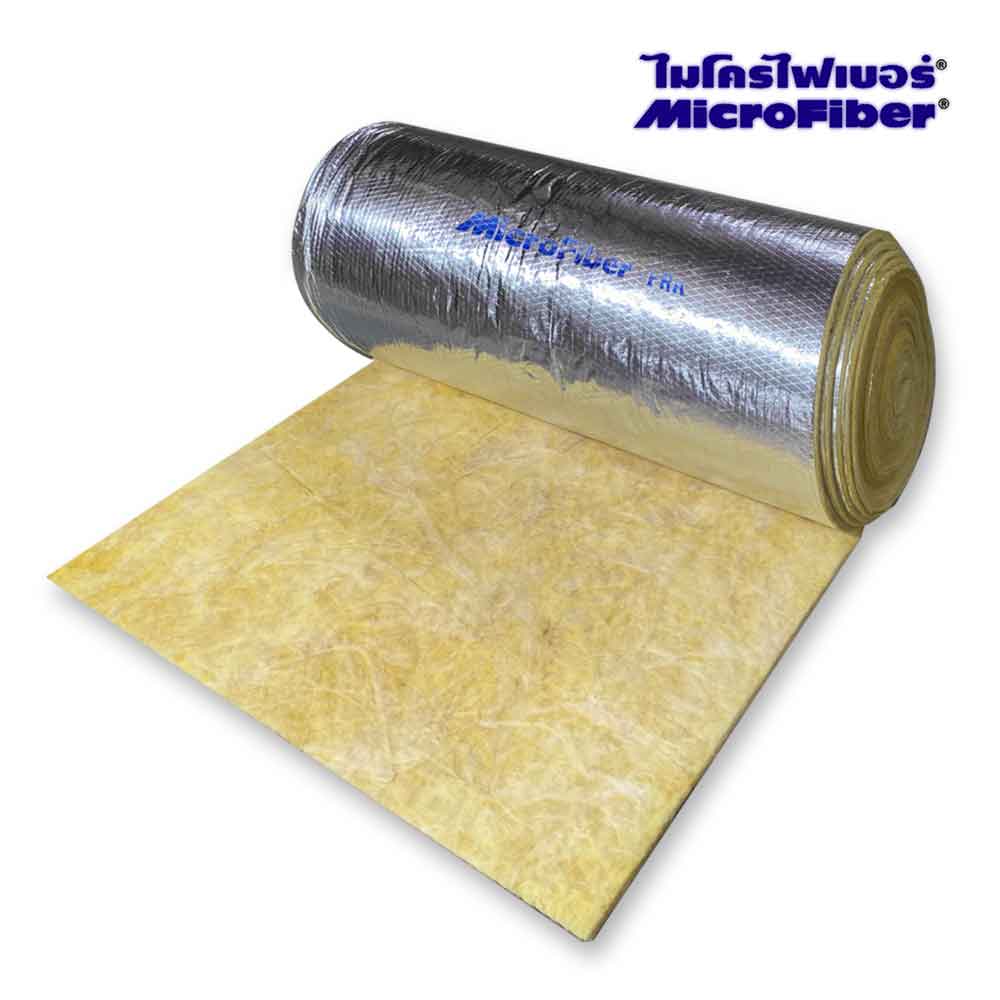
Microfiber Micro Duct Wrap FRK
- Thickness
- 25–50 mm
- Density
- 16–32 kg/m³
- Thermal conductivity (λ)
- 0.033–0.038 W/m·K
Sound coming in or going out (sound insulation)
Echoey rooms (sound absorption)
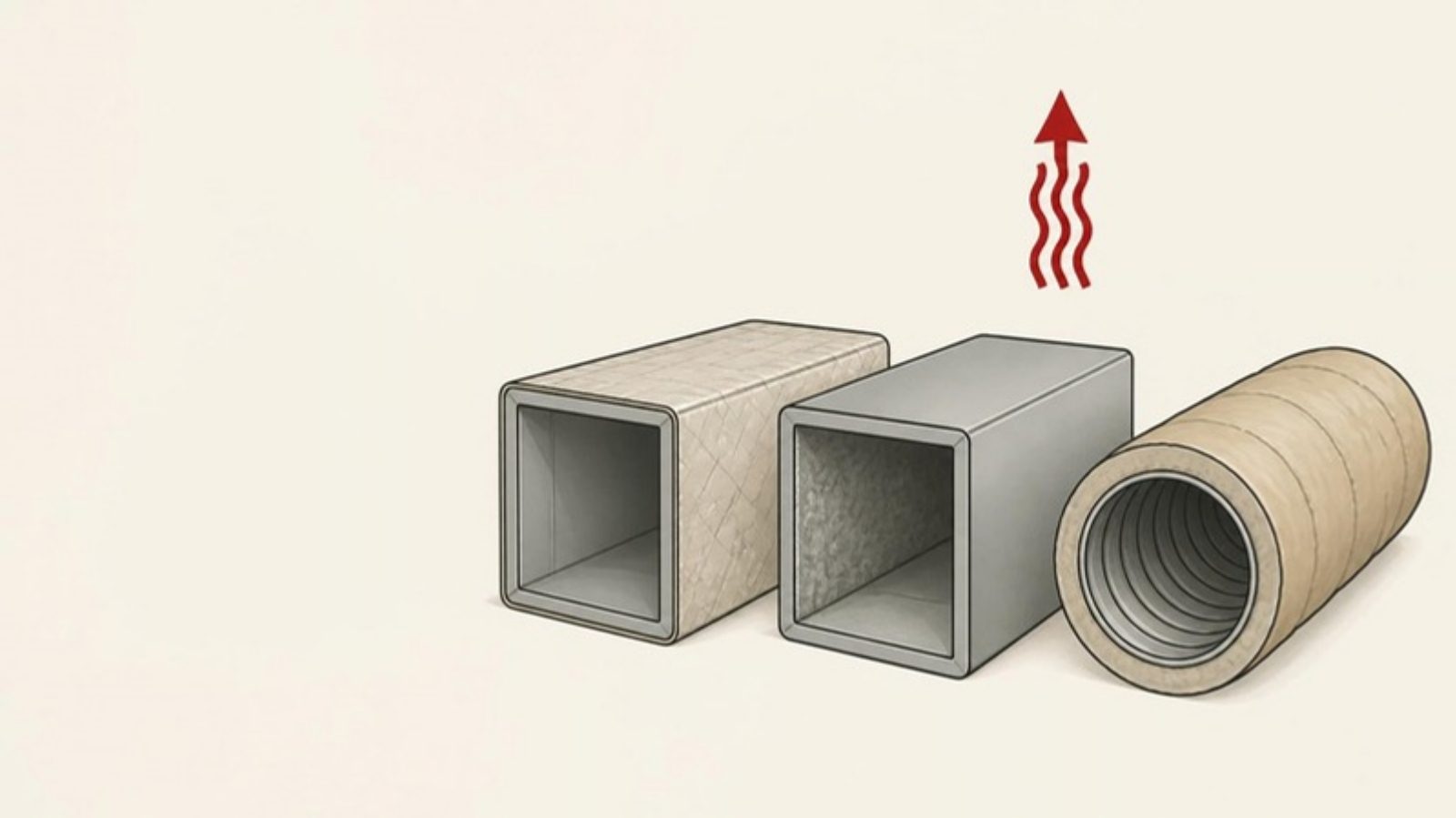
Start with the operating conditions: is the duct carrying cold or warm air, and how hot and humid is the space it runs through? Then choose the form (external duct wrap, internal duct liner or factory-insulated flexible duct) by whether you need to reduce noise in the duct. Next, check that the facing/vapour retarder can be sealed continuously and that the fire and smoke test results meet the project's requirements. Thickness should be set by the designer for the real conditions — no single value fits every job.
Information to have before choosing:
These set the thickness needed, which the system designer can calculate. Do not copy a number from another job. More in What does insulation thickness depend on?
| Form | Suits | Example |
|---|---|---|
| --- | --- | --- |
| External wrap (duct wrap) | Installed metal ducts needing thermal and condensation control, noise in the duct not a priority | Micro Duct Wrap FRK |
| Internal liner (duct liner) | Thermal insulation plus reducing airflow/equipment noise in the duct | Micro Duct Liner PFL, AEROFLEX ACOUSTEX |
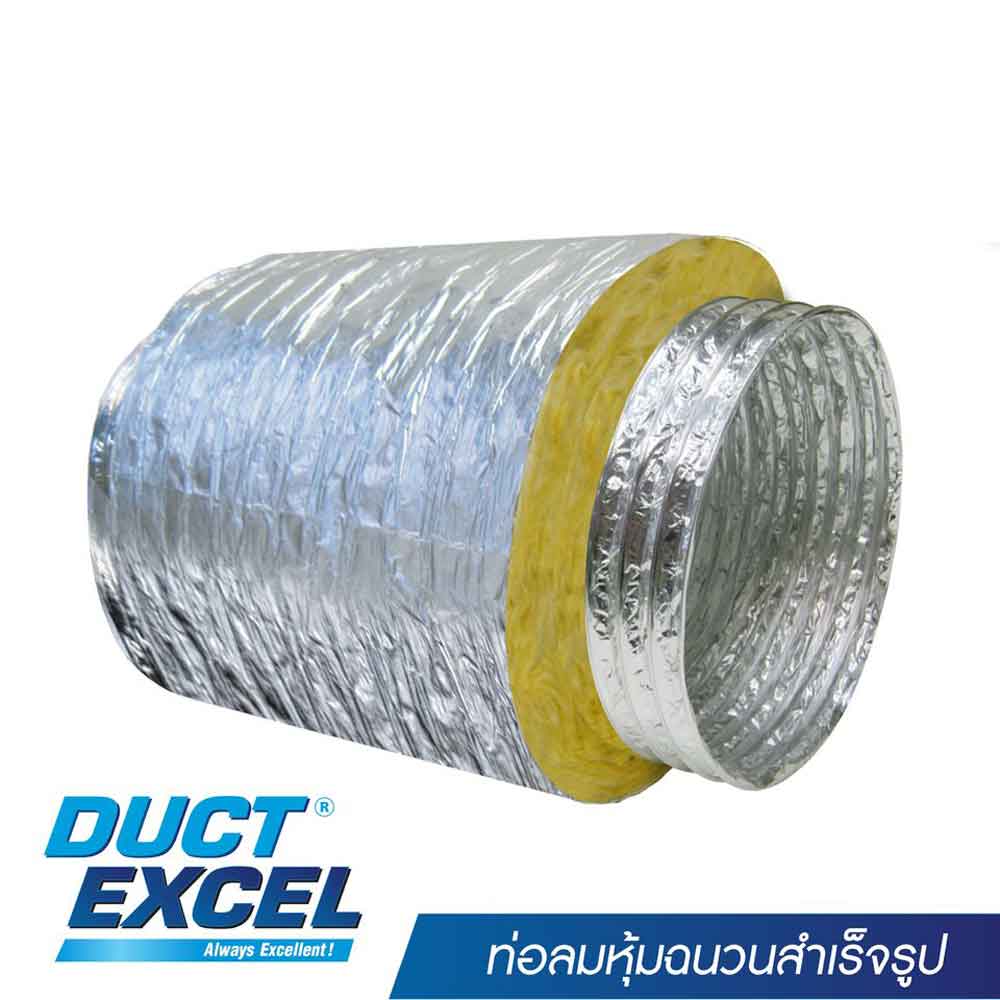
| Insulated flexible duct | Connections from the main duct to diffusers | Duct Excel ISODEC |
Details in Duct wrap vs duct liner and Flexible duct.
On cold ducts, fibrous insulation (glass wool, stone wool) lets water vapour through, so it relies on a vapour-retarding facing such as foil-scrim-kraft (FRK). Check:
See the principle in What is a vapour barrier and why must it be continuous? and Sealing insulation joints.
Many projects require materials in air systems to meet flame-spread and smoke criteria, e.g. referring to NFPA 90A with ASTM E84 / UL 723 test results, or other standards such as BS 476. Compare the maker's test results with what the specification asks for. A test result belongs to the product under the tested conditions — it does not certify the whole system. If unsure, consult the designer or ask us.
The right insulation installed without continuity — gaps at joints, untaped pins, or bands pulled so tight the insulation is crushed — still leaves a duct that drips. See Why do AC pipes drip?
Categories and example products for this topic
Duct and HVAC insulation · Glass wool
Duct and HVAC insulation · Glass wool
Duct and HVAC insulation · Glass wool
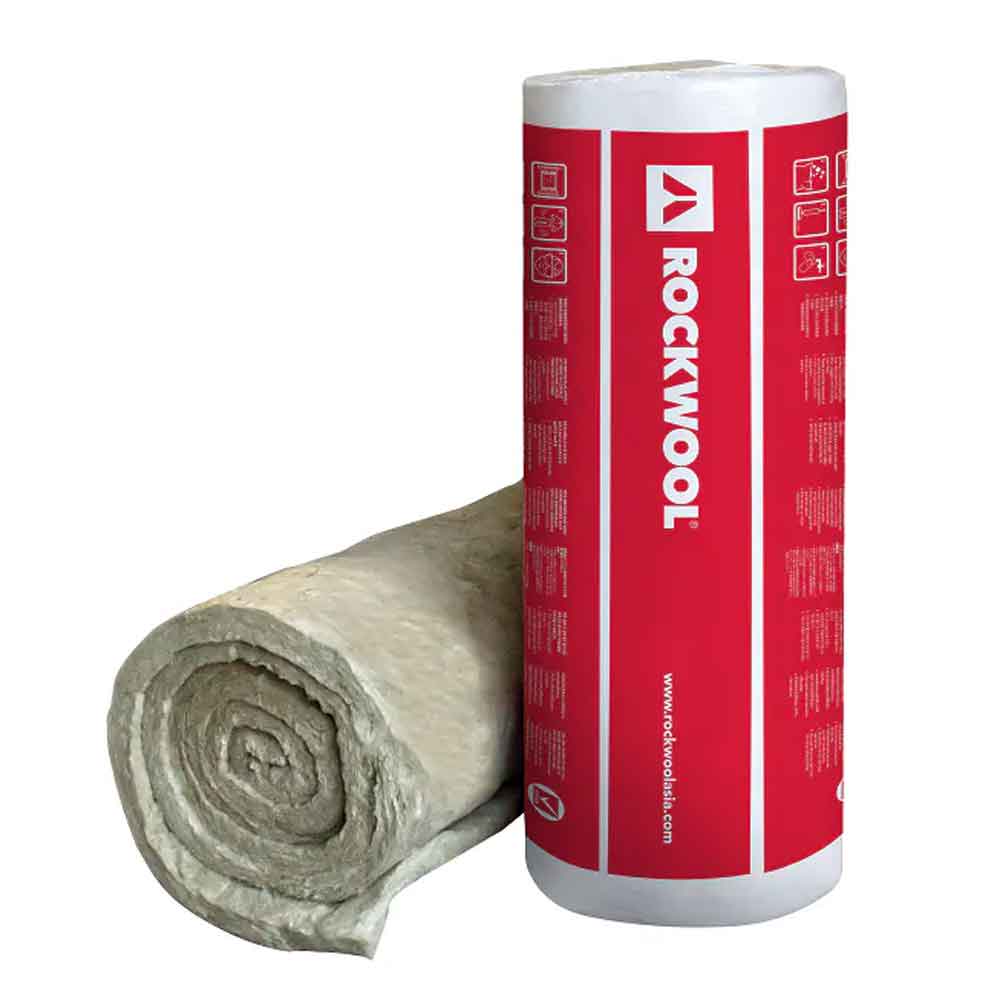
Duct and HVAC insulation · Stone wool
Check the message below, then press “Open LINE”. On a phone LINE opens with this message; on a computer LINE shows a QR code to scan with your phone. If LINE does not open, copy the message into the chat, or call us.
Add us on LINE: @x2525 · Call 062-195-1909