LINE: ask a price

HVAC and ductwork

Duct wrap vs duct liner — what is the difference?

5 min read · Written by our team · Updated 26 Sept 2026

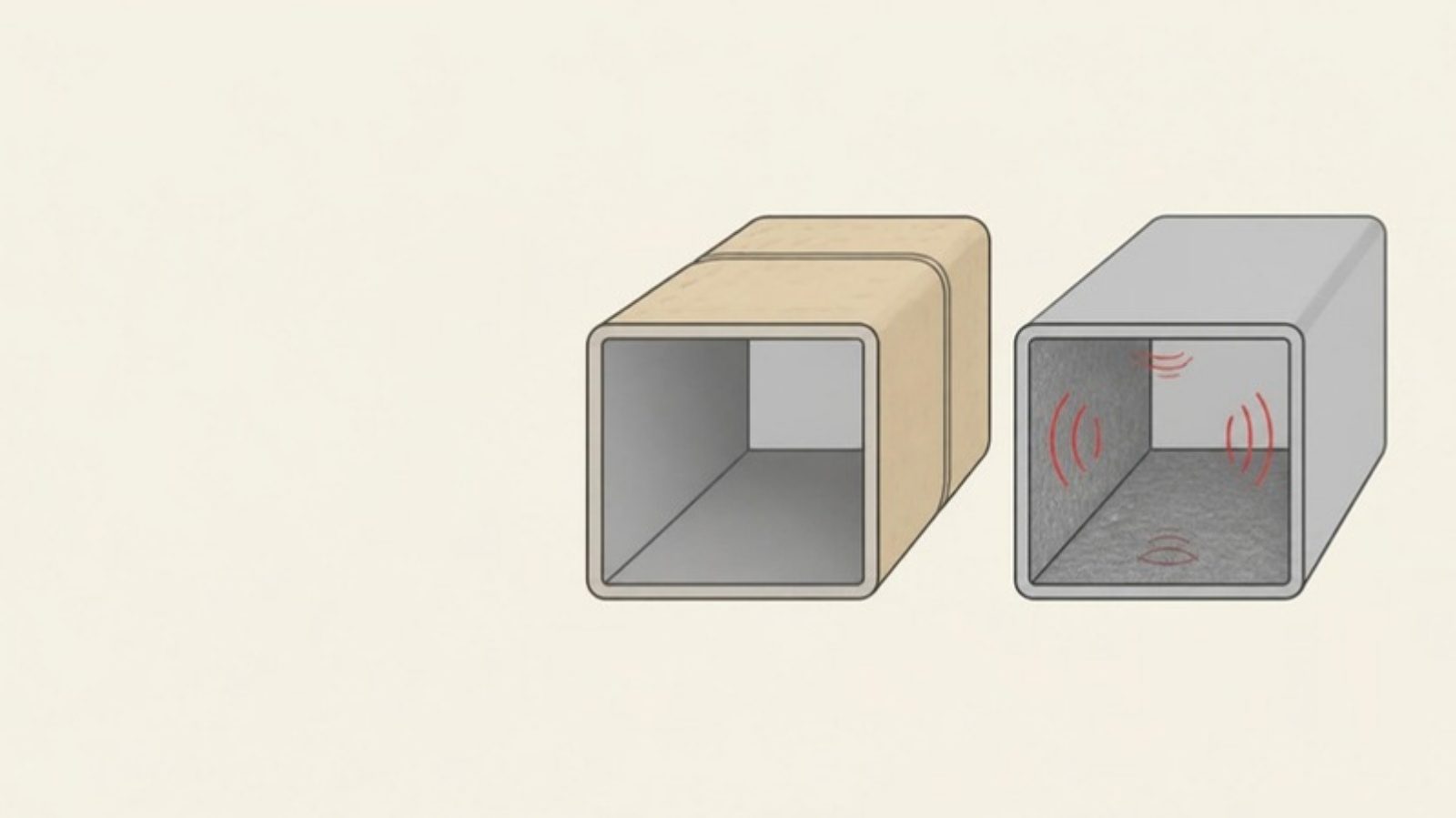
Two rectangular duct cross-sections side by side, one with insulation wrapped outside and one lined inside with red sound arcs within it.
In short

Duct wrap is insulation wrapped around the outside of a duct after the duct is installed; its main jobs are reducing heat gain/loss and preventing condensation on the duct surface. Duct liner is insulation fixed inside the duct, usually while the duct is fabricated; it insulates and also absorbs sound travelling along the duct. Neither is better for every job — choose by whether the job also needs noise control, and by the project's requirements.

Duct cross-sections: duct wrap sits around the outside of the duct with a foil vapour-retarder facing; duct liner is fixed inside the duct with an airstream face designed for moving airDuct wrap 123Duct liner 45 Duct cross-sections: duct wrap sits around the outside of the duct with a foil vapour-retarder facing; duct liner is fixed inside the duct with an airstream face designed for moving airDuct wrap 123Duct liner 45
  1. 1Insulation wrapped around the outside reduces heat gain and condensation on a cold duct
  2. 2The outer foil facing is the vapour retarder: keep it continuous and tape the joints as the manufacturer specifies
  3. 3Cold air in the duct
  4. 4Insulation lining the inside helps with heat and reduces noise carried along the duct
  5. 5The face in contact with the air must be designed for moving air — check the manufacturer's documents for air velocity and test data

Overview

Duct wrap (outside)Duct liner (inside)
---------
PositionAround the outside of the duct wallInside the duct, surface in the airstream
When installedAfter the ductwork is installedMostly during duct fabrication
Main jobThermal insulation, condensation controlThermal insulation + sound absorption in the duct
Noise inside the ductVery little, because it sits outsideHelps, depending on the product's sound absorption
Watch out forFacing/vapour retarder must be continuous with all joints sealed; do not compress the insulationSurface must withstand the system's air velocity; firm fixing; sealed cut edges
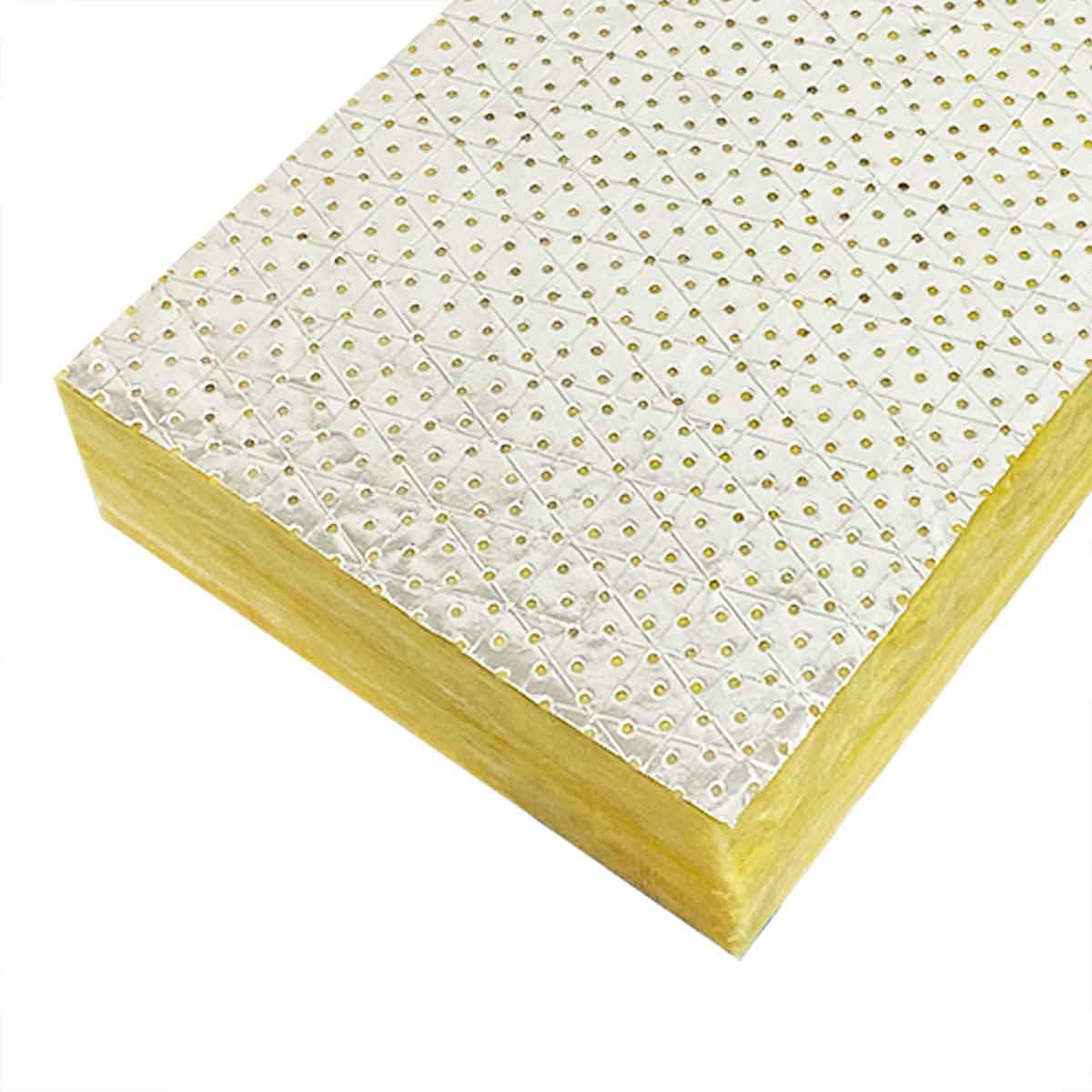
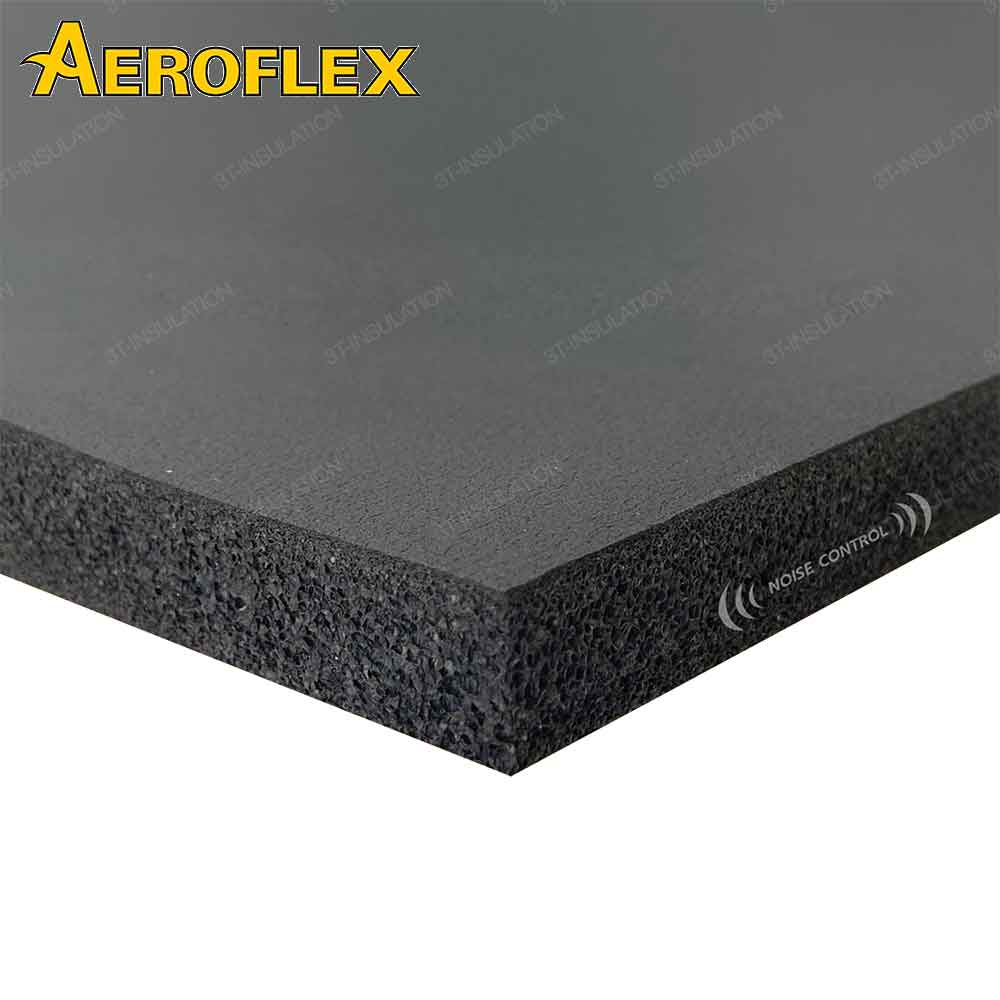
Example productsMicro Duct Wrap FRKMicro Duct Liner PFL, AEROFLEX ACOUSTEX

This table shows general tendencies; check each product's documents for its actual properties.

Duct wrap: what to watch

  • Facing continuity — on cold ducts the foil facing acts as the vapour retarder. Joints, tears, punctures and pin points must be sealed with a suitable tape such as aluminium foil tape. See What is a vapour barrier?
  • Do not compress the insulation — especially at the corners of rectangular ducts and under bands or wires. Compressed thickness lowers thermal resistance, and that spot may be the first to drip.
  • Cut to the full stretch-out length around the duct as the maker instructs, so the installed thickness matches the design.

Duct liner: what to watch

  • Air erosion resistance — the insulation surface faces the airflow directly, so manufacturers state erosion test results at a given air velocity. In the US this is tested under UL 181 and the material specification ASTM C1071 for glass-fibre duct liner. Choose a product whose test result covers the system's air velocity.
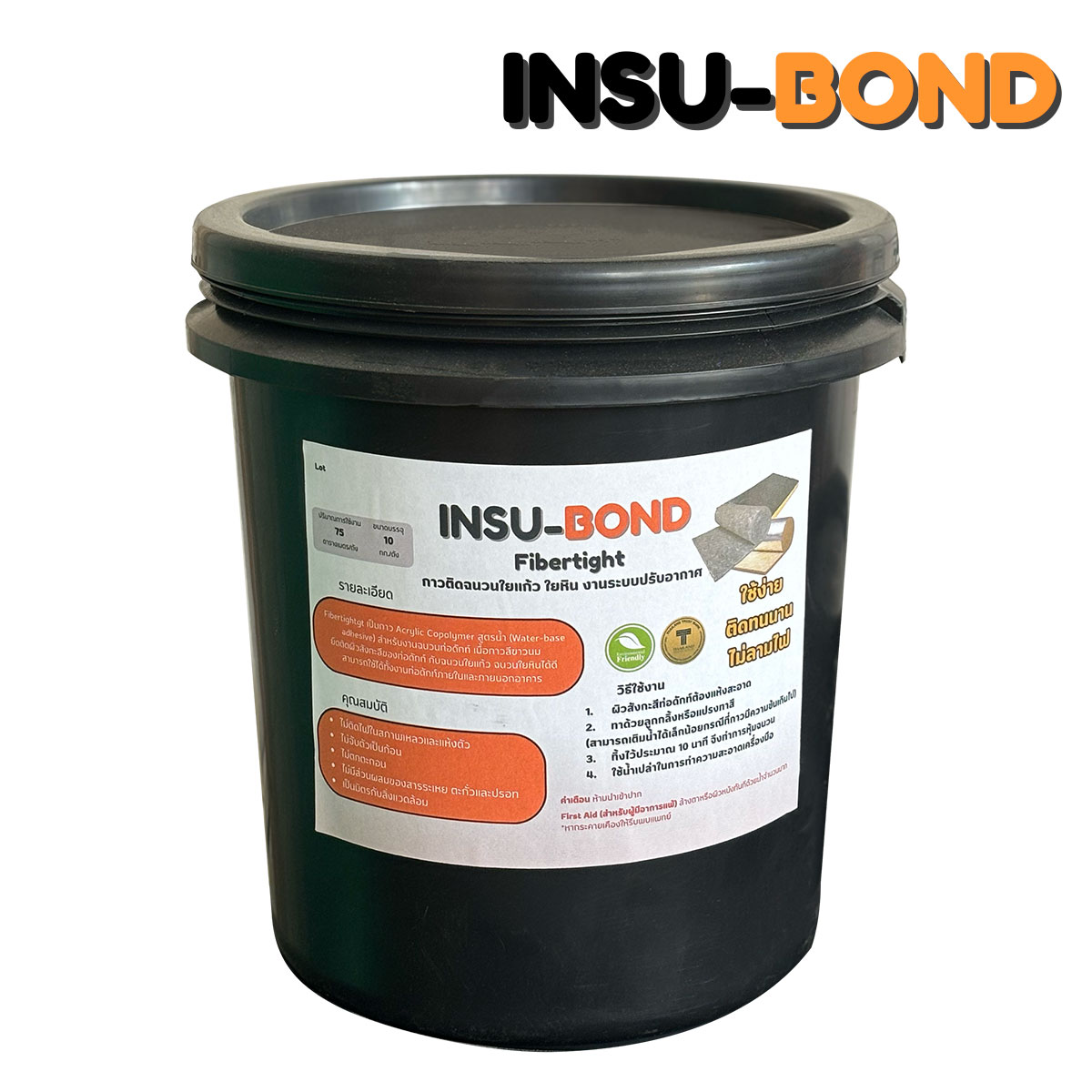
  • Fixing — use the adhesive and pins the maker specifies, e.g. an adhesive for bonding glass or stone wool to duct walls (INSU-BOND FiberTight).
  • Cut edges and joints — seal or coat them as the maker recommends so air cannot erode the insulation.
  • Sound absorption — look at the values the maker measured at the actual thickness. More in What is NRC?

Some projects use duct liner near the air handler or where noise needs reducing, and duct wrap elsewhere. That split is the system designer's decision.

Fire and smoke

Both types usually have to meet the project's flame-spread and smoke requirements, for example requirements under NFPA 90A that refer to ASTM E84 / UL 723 test results. Check that the results in the maker's documents match the project's requirements. More in Fire performance terms.

Sources

  • NAIMA / Insulation Institute — A Guide to Insulated HVAC Duct Systems (AH121) and Fibrous Glass Duct Wrap (AH139)
  • Johns Manville — Duct Liner vs. Duct Wrap: Which One is Best for Your Application?
  • ASTM C1071 — Standard Specification for Fibrous Glass Duct Lining Insulation
  • UL 181 — Factory-Made Air Ducts and Air Connectors
  • NFPA 90A — Installation of Air-Conditioning and Ventilating Systems
  • Manufacturer documents: Micro Duct Wrap FRK, Micro Duct Liner (Microfiber), ACOUSTEX (Aeroflex)

Related products

Categories and example products for this topic

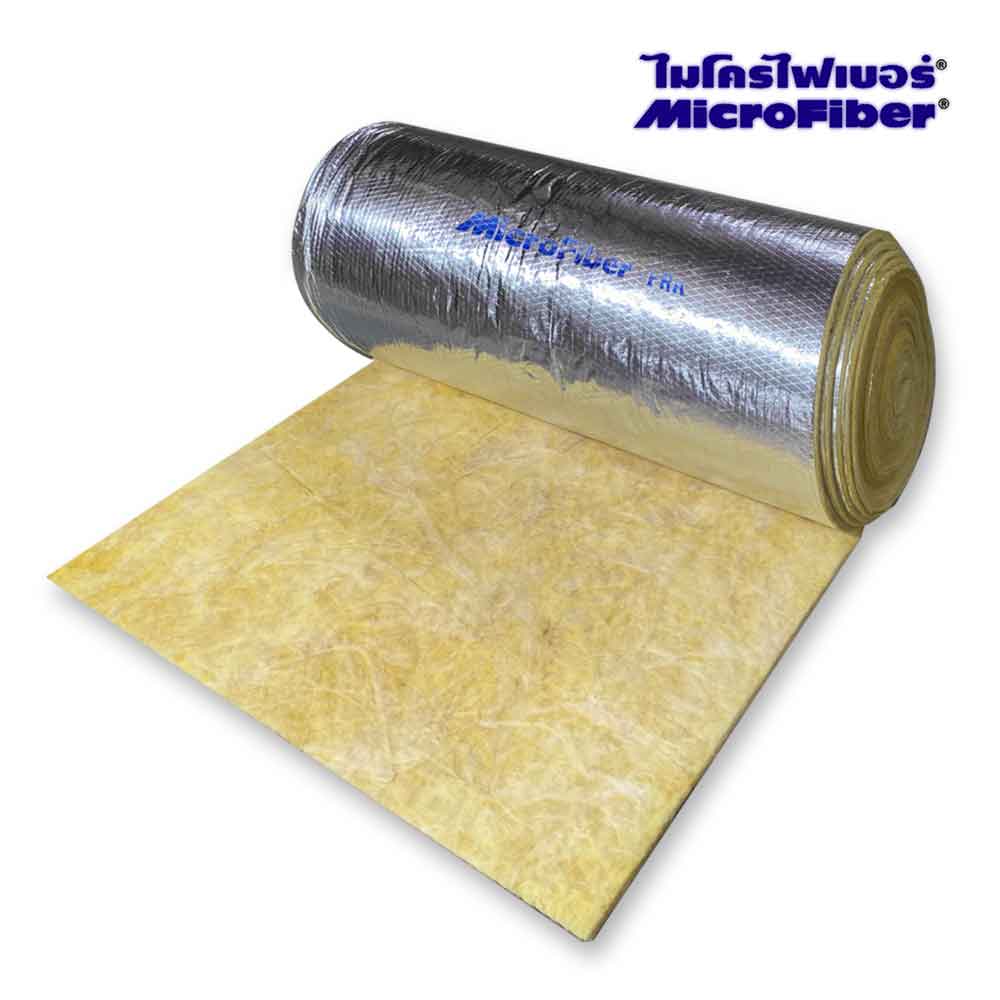
  • Micro Duct Wrap FRK — A duct wrap: glass wool with 3-way reinforced foil, wrapped around the outside of ducts
  • Micro Duct Liner PFL — A duct liner: perforated-foil glass wool board, erosion-tested at 25.4 m/s
  • Aeroflex ACOUSTEX — A fibre-free liner: open-cell foam for lining ducts inside or outside
  • INSU-BOND FiberTight — Water-based adhesive for bonding glass or stone wool to galvanised duct surfaces

Related knowledge