Building thermal insulation · Glass wool
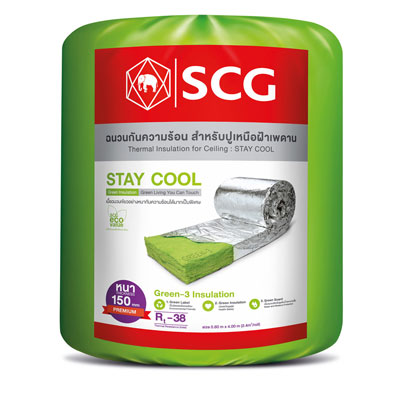
SCG STAY COOL
- Thickness
- 75–150 mm
- Thermal resistance (R)
- 1.79 m²·K/W (75 mm)
Sound coming in or going out (sound insulation)
Echoey rooms (sound absorption)
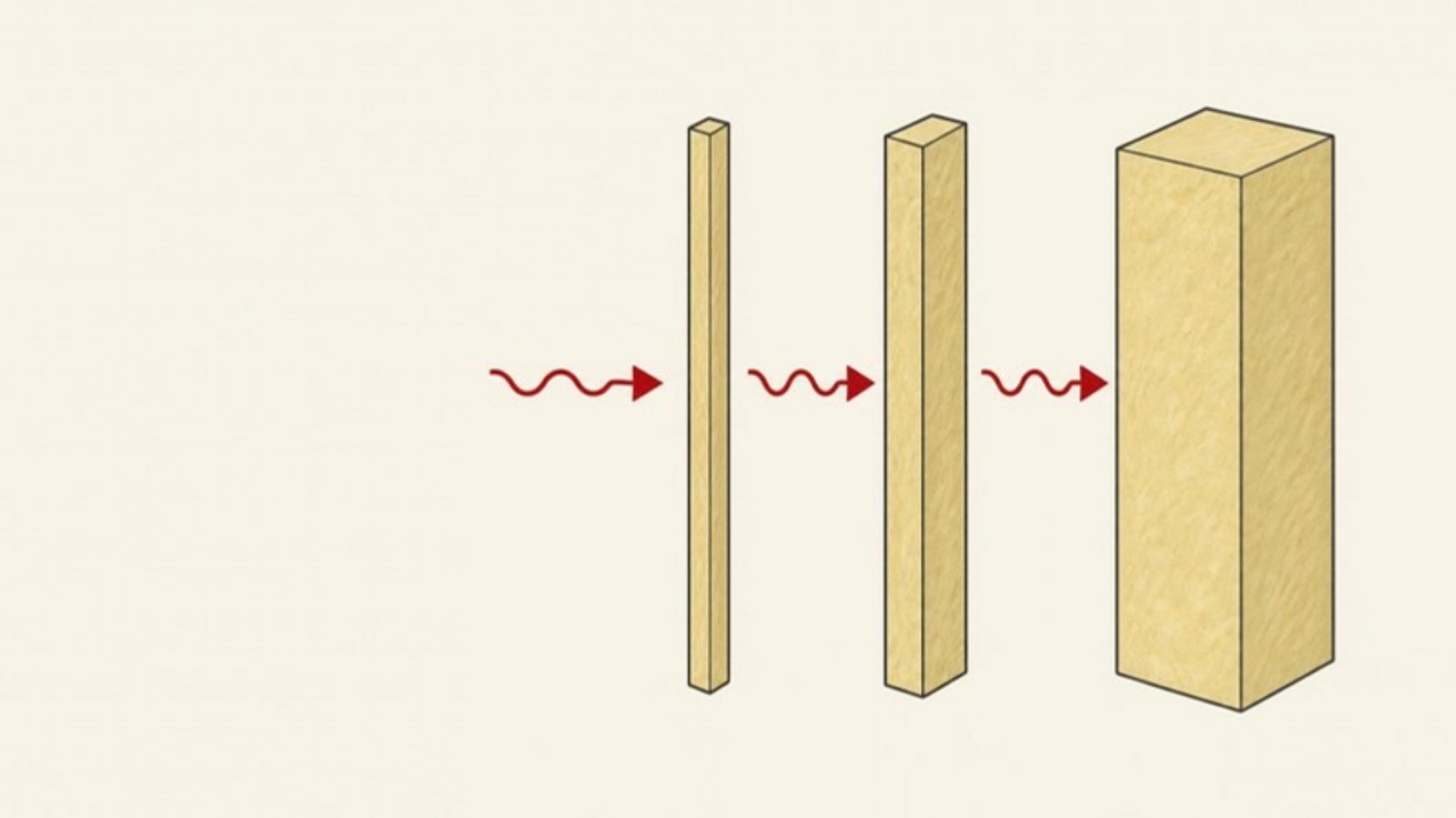
Thickness directly sets the R-value: with the same material, twice the thickness gives twice the R-value, but the heat saved grows less and less as you keep adding thickness. The right thickness depends on your goal, the space available, the weight the structure can carry, your budget and, for cold pipes and ducts, the design conditions for preventing condensation. There is no single correct thickness for every job.
Heat through an insulation layer is inversely proportional to its R-value. Doubling R halves the heat through that layer, but the extra saving at each step gets smaller.
| Hypothetical example (insulation layer only) | Relative R | Heat through (vs first step) | Extra reduction vs previous step |
|---|---|---|---|
| --- | --- | --- | --- |
| 1× thickness | 1 | 100% | — |
| 2× thickness | 2 | 50% | 50 points |
| 3× thickness | 3 | about 33% | about 17 points |
| 4× thickness | 4 | 25% | about 8 points |
This is a mathematical principle, not the result for any product or building. A real building also has other layers, air surfaces, thermal bridges, windows and air leaks. The first layers of thickness usually pay off most; after that, weigh whether more thickness is worth the cost and the space.
Comfort, lower air-conditioning bills, meeting a figure set by the designer (such as the roof U-value), or preventing condensation on a pipe surface — each goal is worked out differently.
The height of the roof space, the gap between purlins and roof sheet, or the depth of a wall cavity limits the thickness you can fit. Do not squeeze thick insulation into a narrower space: compressed insulation does not give its full rated R-value.
Thicker or denser insulation weighs more, especially when laid on a ceiling or on T-bar ceiling tiles. Check with the installer or the ceiling manufacturer that the frame can take the extra load. See how to insulate a ceiling properly.
A material with a lower λ needs less thickness for the same R-value, which helps where space is tight. Always compare by R at the real thickness.
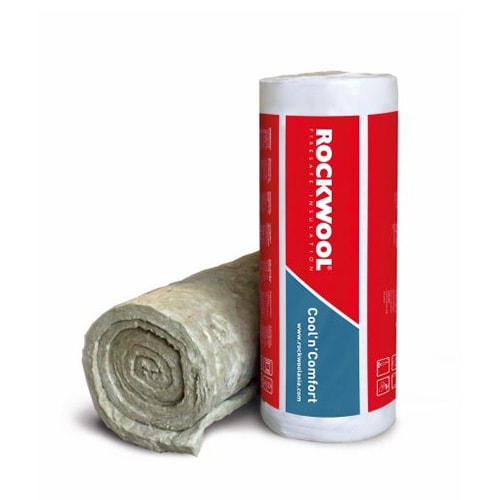
Each product comes in a set of standard thicknesses, e.g. SCG STAY COOL ceiling insulation or ROCKWOOL Cool 'n' Comfort RL stone-wool roof insulation. See the manufacturer's documents for the thicknesses available and the R-value of each.
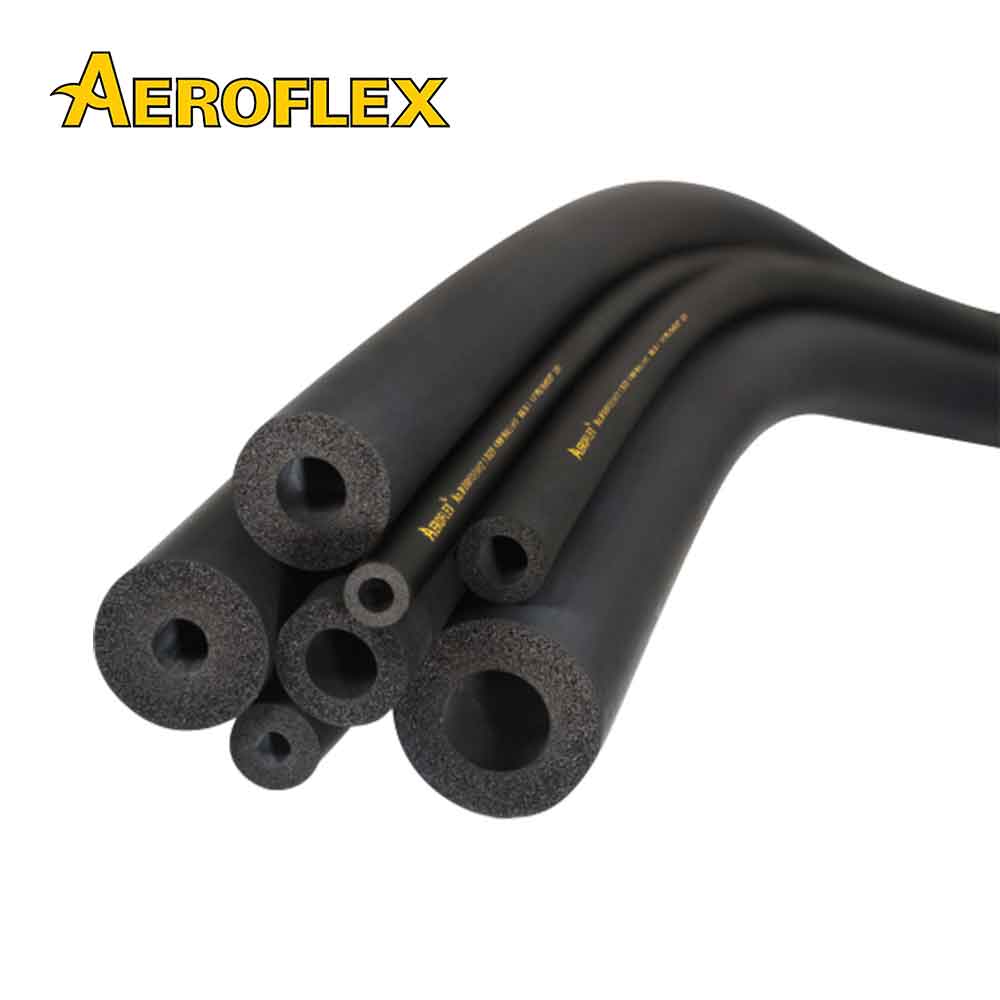
For surfaces colder than the surrounding air — refrigerant pipes, chilled-water pipes and cold air ducts — the insulation must be thick enough to keep its outer surface warmer than the dew point of the surrounding air, or condensation will form. The thickness needed therefore depends on the temperature inside the pipe, the temperature and humidity of the surrounding air, the pipe size and the insulation's λ.
A thickness commonly used in one place may not be enough in a more humid room or on a colder pipe. Have the designer or manufacturer calculate it for the real conditions. Read dew point and condensation and how to choose pipe insulation.
If you would like help choosing a thickness, tell us where it will go, the space available and the goal. Browse thermal insulation.
Categories and example products for this topic
Building thermal insulation · Glass wool
Building thermal insulation · Stone wool
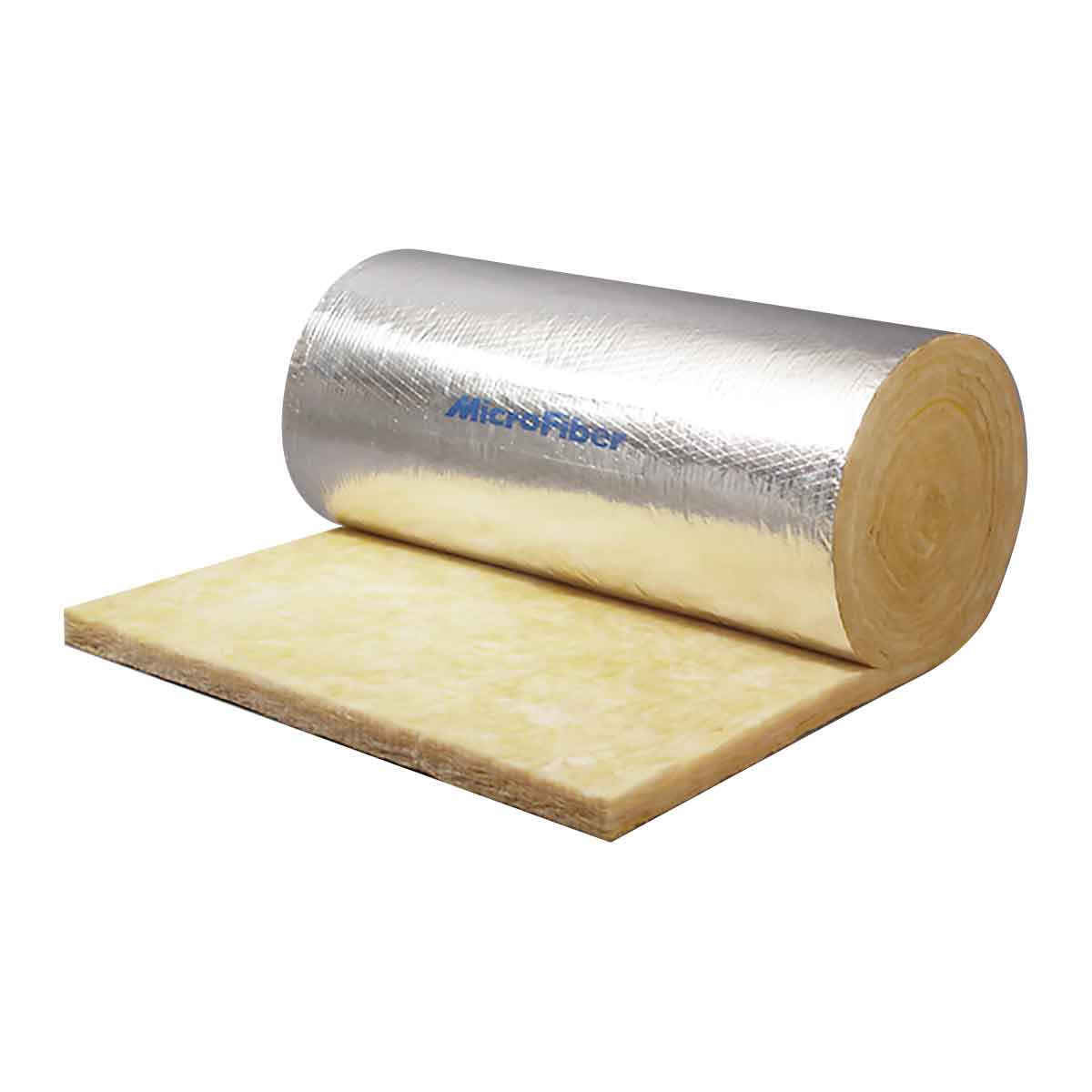
Building thermal insulation · Glass wool
Pipe insulation · Elastomeric foam
Check the message below, then press “Open LINE”. On a phone LINE opens with this message; on a computer LINE shows a QR code to scan with your phone. If LINE does not open, copy the message into the chat, or call us.
Add us on LINE: @x2525 · Call 062-195-1909